


You made a smart choice years ago by investing in paint protection film for your vehicle. It’s been your car’s silent guardian, absorbing countless rock chips, deflecting scratches, and preserving that flawless factory finish. But nothing lasts forever. Over time, even the highest-quality PPF can reach the end of its life, and knowing the signs is crucial for protecting the paint you worked so hard to preserve.
Deciding to replace your PPF is a proactive decision. It’s not just about a fresh, new look; it’s about preventing the old film from failing and causing irreversible damage to your vehicle’s clear coat. We’ll walk you through the key indicators that it’s time for a change and what you can expect from the professional replacement process.
The Tell-Tale Signs of Aging PPF
While a high-quality car protection film is designed to last, time and the elements—especially in a demanding environment like Dubai—will eventually take their toll. Keep an eye out for these clear warning signs:
Yellowing or Discoloration: This is often the most obvious sign. Over years of sun exposure, especially with lower-grade films, the material can begin to yellow. This is a clear indicator that the film’s UV inhibitors have broken down, and it’s no longer performing as intended. The yellowing will make your car’s paint look faded and old, and it’s a sure sign the film is nearing the end of its life.
Cracking or ‘Dry’ Texture: If your PPF on car surfaces feels brittle or you see a network of fine cracks on the surface, it’s a critical sign of degradation. The film has lost its pliability and is no longer able to absorb impacts. At this point, the film itself is a liability, as it can crack and leave the paint underneath completely exposed.
Lifting or Peeling Edges: The edges and seams of the film are its most vulnerable points. If you notice any areas beginning to lift or peel away from the panel, it’s a gateway for dirt, moisture, and grime to get underneath. This can cause permanent staining or even damage the paint when the film is eventually removed.
Loss of Hydrophobic Properties: A key benefit of modern PPF is its hydrophobic top coat, which repels water and makes washing a breeze. If water no longer beads on the surface and dirt seems to stick more easily, the top coat has likely worn away. While the film is still protecting the paint physically, it has lost a major aspect of its low-maintenance appeal.
The Replacement Process: Trust the Professionals
Attempting to remove old, degraded PPF yourself is a high-risk gamble. The film’s adhesive, which has been bonding to your paint for years, can be stubborn. Aggressive scraping or improper techniques can easily pull up the clear coat, resulting in a costly repaint.
A professional replacement process is designed to be safe and effective. It involves:
- Heat-Assisted Removal: Technicians use controlled heat to soften the film and its adhesive, allowing for a clean, slow, and gentle removal that preserves the underlying paint.
- Adhesive Cleanup: Once the film is off, the panel is thoroughly cleaned to remove any residual adhesive, ensuring a perfectly smooth surface for the new installation.
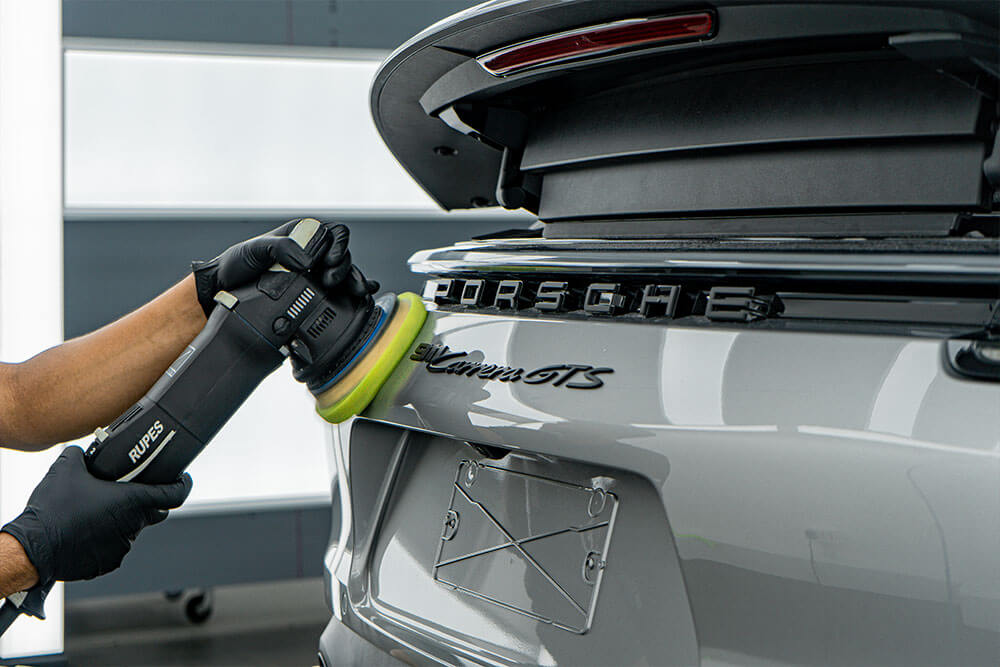
- Preparation and Re-Application: The vehicle then goes through a complete paint correction and decontamination process before a fresh sheet of a modern, durable PPF is applied.
By recognizing the signs of aging PPF and trusting a professional with the replacement, you ensure that your vehicle continues to receive the best possible car protection film and maintains its exceptional condition for another decade.


Get In Touch
Stay Connected For Ultimate Car Care
 sales@rmappf.ae