

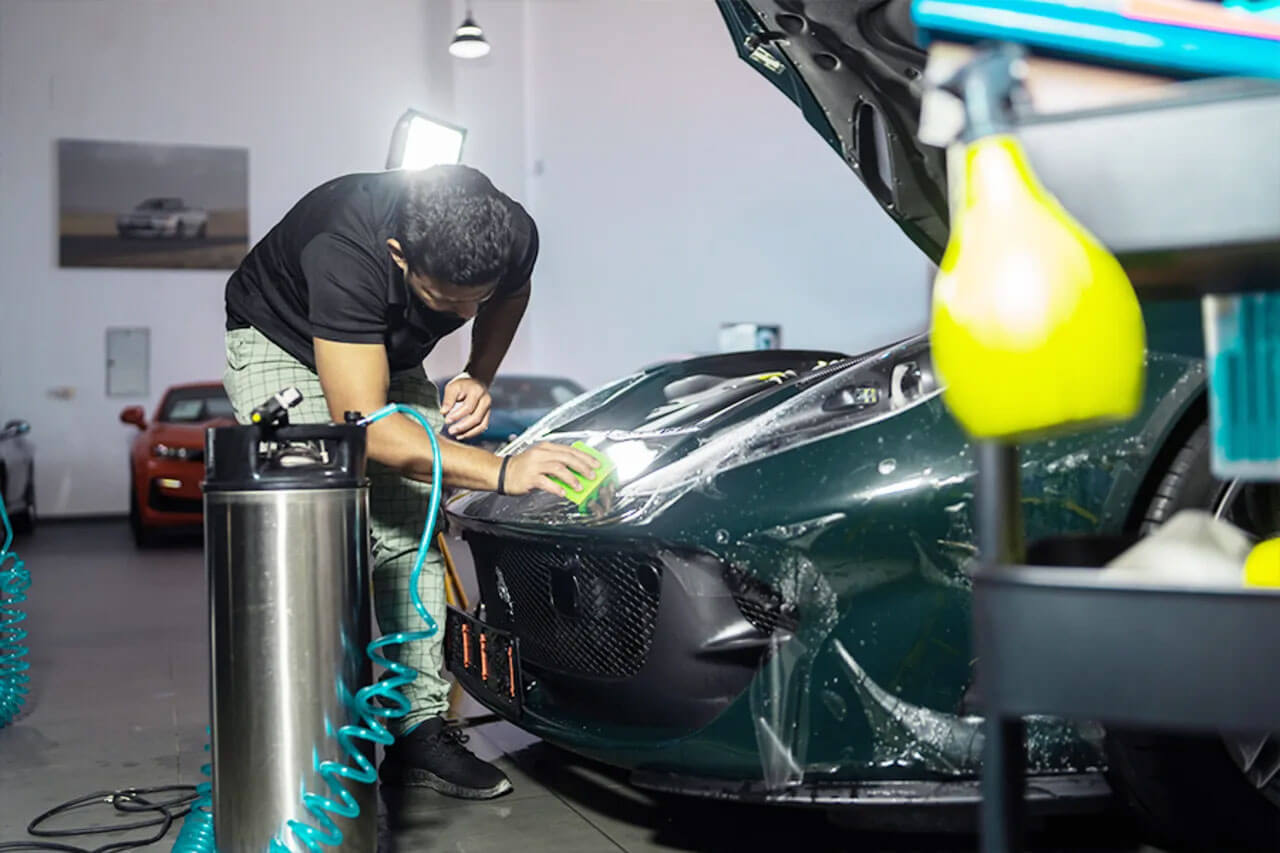
Pop the hood of most cars, and you’ll often find a layer of dust, grease, and grime hiding what should be one of the most important areas of your vehicle: the engine bay. While many drivers spend hours perfecting their car’s exterior shine with car paint protection or polishing the body for flawless car paintwork protection, the engine is often ignored. The truth? A clean engine bay isn’t just about looks—it’s about keeping your car healthy, reliable, and easier to maintain in the long run.
Why Engine Bay Cleaning Matters
Think of your engine bay like your car’s heart. Just as you wouldn’t ignore signs of buildup in your body, you shouldn’t let dirt and grime pile up around the engine. Here’s why regular Car detailing makes a real difference:
- Improved Cooling Efficiency: Dust and oil buildup can trap heat, making your engine run hotter than it should. A clean bay helps components stay cooler and last longer.
- Early Problem Detection: With everything clean and visible, it’s easier to spot issues like oil leaks, cracked hoses, or worn belts before they turn into expensive repairs.
- Increased Resale Value: Buyers see a clean engine bay as a sign of good maintenance. It shows you care about the car beyond just car paint protection on the outside.
- Safety Benefits: Grease and oil can be fire hazards. Removing these reduces unnecessary risks.
In short, a clean engine bay supports your car’s performance, safety, and value just as much as flawless car paintwork protection supports the look of your ride.
The Do’s and Don’ts of Engine Bay Detailing
Detailing under the hood isn’t as simple as spraying water everywhere—it requires care and the right process. Done wrong, you could damage sensitive electrical components. Done right, your engine will look (and perform) better than ever.
Step 1: Preparation Is Key
Make sure your engine is cool before starting. Spraying water on a hot engine can cause cracking or warping.
Disconnect the battery, or at least cover it with plastic wrap. Do the same for the alternator, exposed wiring, and air intake.
Step 2: Dry Cleaning First
Before any liquid touches your engine bay, remove loose dirt and debris. Use a vacuum, blower, or even a simple brush to clear out leaves, dust, and sand.
Step 3: Degreasing
Grease is the main culprit of a dirty engine bay. Apply a quality, water-based degreaser to oily surfaces. Let it sit for a few minutes to break down the grime, then gently scrub with a soft brush.
Step 4: Controlled Rinse
Avoid blasting water directly into sensitive areas. Instead, use a low-pressure hose or spray bottle to carefully rinse away the degreaser. Work in small sections for better control.
Step 5: Dry and Protect
Use microfiber towels to dry the area, and consider using compressed air to blow moisture out of tight spots. Once dry, apply a protectant to plastic and rubber components to prevent cracking and fading.
Safety Precautions You Can’t Ignore
- Never use harsh solvents or high-pressure washers directly under the hood.
- Don’t rush—give cleaning products time to do their work.
- Always test any cleaner on a small, inconspicuous spot first.
Your goal is to detail, not to damage.
How Often Should You Clean Your Engine Bay?
For most drivers, twice a year is enough. However, if you live in a dusty climate (like the Middle East) or often drive on muddy roads, you may need to do it more often. Just as you’d reapply car paint protection after harsh conditions, your engine bay benefits from regular upkeep in challenging environments.
The Bigger Picture: Inside and Out
A spotless exterior gets all the attention, but a well-maintained engine bay tells the real story of how you care for your vehicle. Pairing routine detailing under the hood with exterior car paintwork protection creates a complete maintenance approach—your car looks amazing, performs better, and holds its value longer.
Final Word
Engine bay detailing isn’t about making your car a showpiece—it’s about giving your vehicle the care it deserves where it matters most. A clean engine runs cooler, is easier to service, and is far less likely to surprise you with hidden issues. Do it safely, do it regularly, and you’ll enjoy the same peace of mind you get when investing in quality car paint protection.


Get In Touch
Stay Connected For Ultimate Car Care
 sales@rmappf.ae