

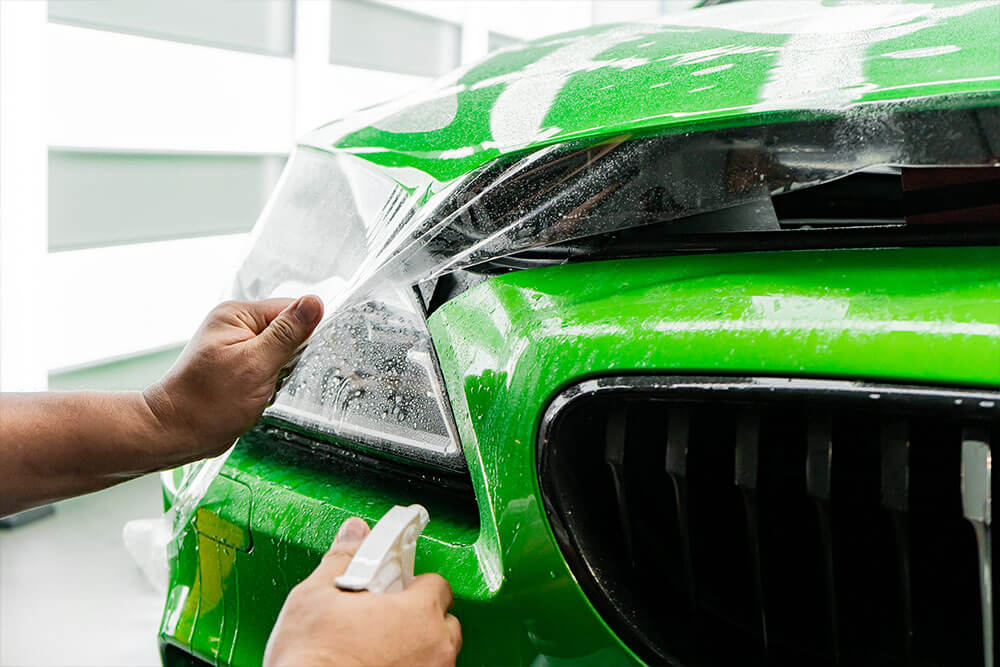
Paint Protection Film (PPF) is often described as a “sacrificial layer” for your car. It takes the hits from rocks, road salt, and bird droppings so your paint doesn’t have to. But PPF isn’t permanent. Whether it’s reached the end of its 10-year warranty, it’s been damaged in a scuff, or you’re ready to sell the car, eventually, that film has to come off.
So, what actually happens when you start peeling? Here is a breakdown of the process and what you’ll find underneath.
1. The “Big Reveal”: Factory Fresh Paint
In an ideal scenario—where the film was high-quality and installed over healthy factory paint—the removal process is like stepping into a time machine.
As the film is pulled back, it reveals paint that has been perfectly preserved in a vacuum. While the rest of the world’s cars have suffered from UV fading, swirl marks from car washes, and oxidation, your paint will look exactly as it did the day the film was applied. It will be glossy, deep in color, and completely free of “sandblasting” from road debris.
2. The Struggle with Adhesive Residue
Paint Protection Film is held on by a high-strength acrylic adhesive. Depending on the brand of film and how long it’s been on the car, one of two things will happen:
- Clean Release: The adhesive stays attached to the film and comes off in one piece.
- The Sticky Mess: The film delaminates, leaving a cloudy, tacky layer of glue on your clear coat.
If residue is left behind, it requires specialized adhesive removers (like Rapid Remover or 3M Adhesive Cleaner) and a lot of patience. Never use a plastic scraper or a harsh abrasive to get glue off, as you’ll scratch the very paint you worked so hard to protect.
3. The Risk: “Lifting” the Paint
This is the nightmare scenario for every car owner. Sometimes, the bond between the glue and the paint is stronger than the bond between the paint and the car body. This usually happens in three cases:
- Repainted Panels: If a door or bumper was repainted by a body shop and not cured properly before PPF was applied, the film may pull the “new” paint right off the metal or plastic.
- Old/Expired Film: If you leave PPF on for 12–15 years (well past its lifespan), the adhesive can harden and “petrify,” making it nearly impossible to remove without damaging the clear coat.
- Lack of Heat: Removing PPF “cold” increases the risk of paint lifting. Professionals use steam or heat guns to soften the adhesive before pulling.
4. The “Ghosting” Effect
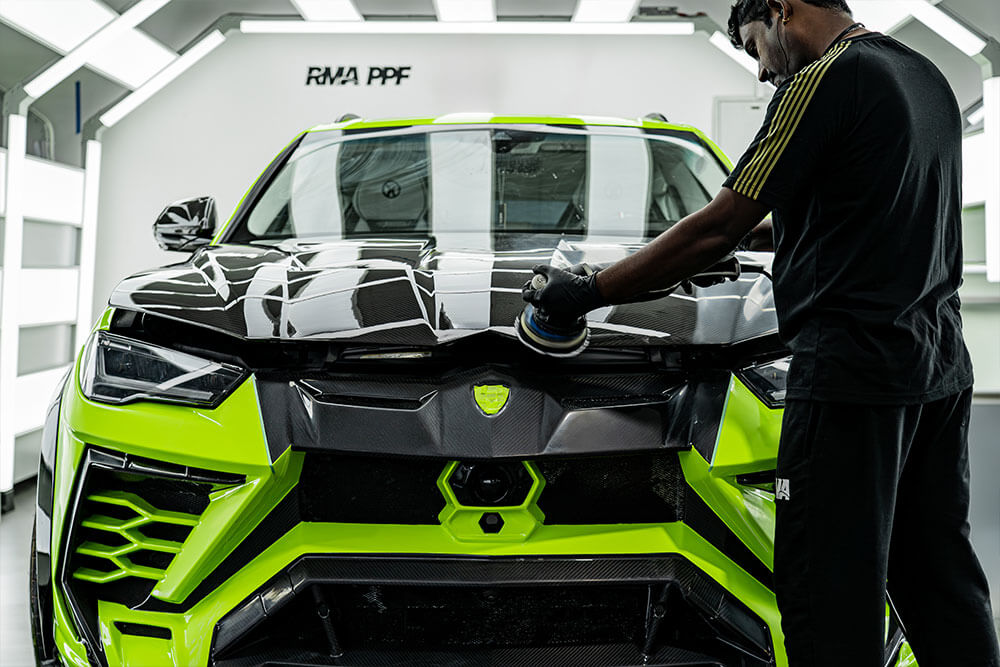
If your car was only partially covered (for example, just a “Bikini Cut” clear bra on the front 1/3rd of the hood), you might see a “ghost line.” The paint that was covered is pristine, while the exposed paint has likely faded slightly due to UV exposure or has a different texture due to thousands of microscopic scratches. A light machine polish is usually required to blend the two sections back together.
5. What Should You Do After?
Once the film is off, your paint is naked. It no longer has UV protection or physical defense. You have three choices:
- Re-apply New PPF: The best option to keep that “time capsule” look for another decade.
- Ceramic Coating: Provides chemical and UV protection and incredible shine, though it won’t stop rock chips.
- Wax/Sealant: High maintenance, but provides a basic level of protection.
Pro Tip: The 45-Degree Rule
If you are DIY-ing the removal, never pull the film straight up (90 degrees) or back over itself (180 degrees). The safest way to remove PPF is to pull it away from the surface at a 45-degree angle while maintaining constant tension. This stretches the film slightly, which helps release the adhesive bond naturally.

Get In Touch
Stay Connected For Ultimate Car Care
 sales@rmappf.ae