

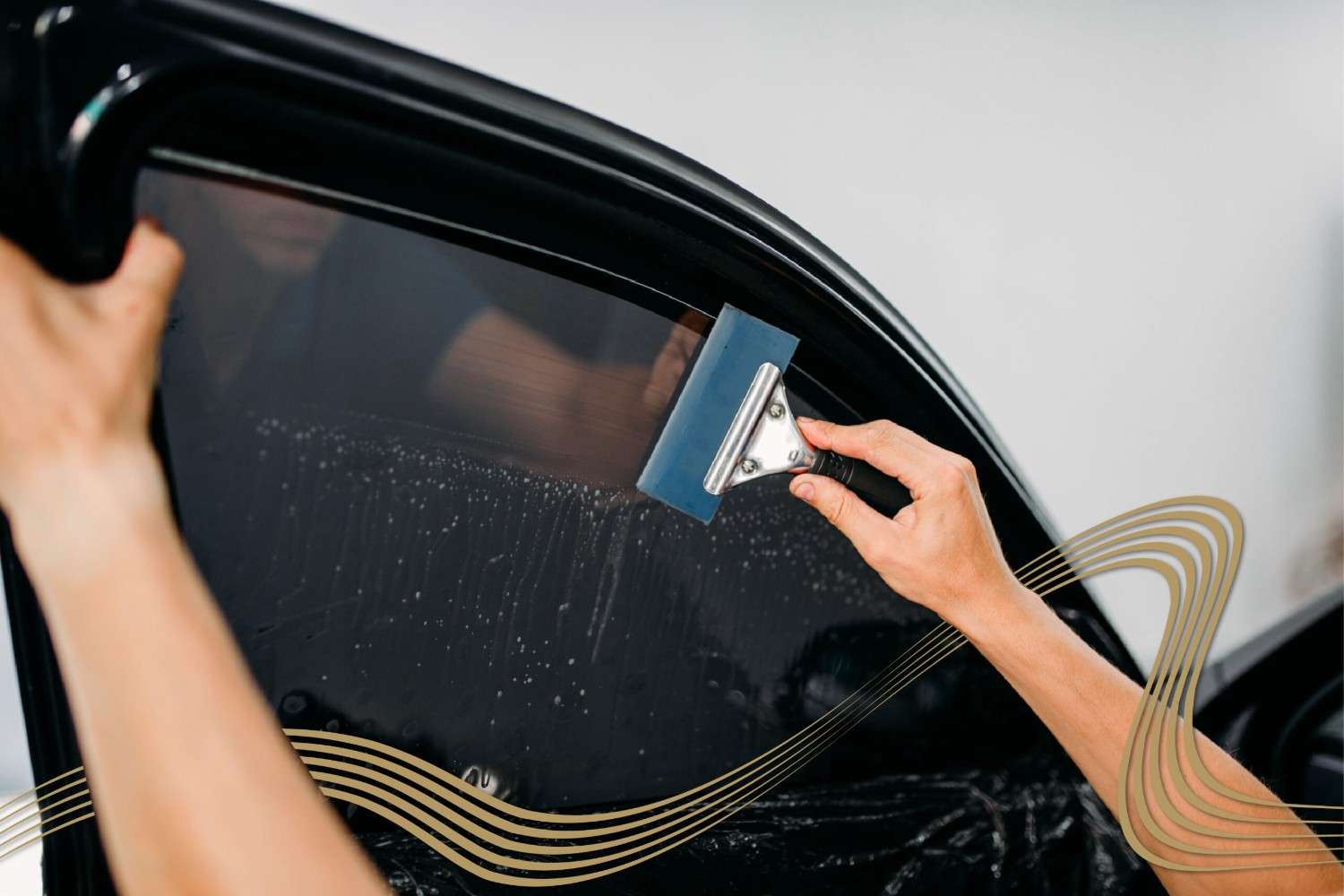
You love the way a fresh window tinting job looks. It gives your car a sleek, private aesthetic and offers much-needed relief from the sun. But what happens when that perfect finish starts to go wrong? The once-flawless film begins to show its age, with bubbles, peeling edges, and a faded color that can make your car look neglected. These aren’t just cosmetic flaws; they are often the tell-tale signs of a failing tint, which can be due to poor quality materials, a rushed installation, or both.
Knowing what to look for can save you time, money, and frustration. Just like with a high-quality car PPF or paint protection film, early attention is key to maintaining both aesthetics and protection.
The Most Common Signs of a Failing Tint
These are the clear indicators that your film is past its prime and needs to be replaced.
1. Bubbling and Blistering
This is perhaps the most obvious and unsightly sign of a failing tint. Small air or moisture bubbles start to form under the film, often appearing as tiny blisters on the glass. This happens for one of two main reasons:
Poor Installation: If the installer didn’t properly clean the glass or use the correct installation techniques, tiny air pockets can get trapped between the film and the glass. Over time, these pockets can expand and become more visible, especially in the heat.
Adhesive Failure: The adhesive that holds the film to the glass is designed to be durable, but it’s not invincible. Age, sun exposure, and temperature fluctuations can cause it to break down, leading to bubbling as the film separates from the glass.
2. Peeling and Lifting Edges The edges of a properly installed tint should be seamlessly integrated with the window, making them almost invisible. If you start to notice the film peeling or lifting around the edges, especially near the top of a roll-down window, it’s a clear sign of a problem.
This is a common issue with low-quality films and rushed installations, as the edges were either not properly sealed or the film simply can’t withstand the constant friction of the window mechanism.
3. Fading and Discoloration A quality tint is designed to block UV rays and maintain its color for years. A poor-quality film, particularly a cheap dyed tint, will often fade or change color over time. It can turn from a deep charcoal gray to an unsightly shade of purple or blue. This is not only a major aesthetic issue but also a sign that the film is no longer effectively blocking UV rays, leaving your car’s interior and your skin vulnerable to sun damage.
4. Cracking and Brittleness High-quality modern films are made from durable materials like polyester that remain flexible for years. A cheap film, however, will often become brittle and crack with age and sun exposure. You’ll see fine lines or a “spiderweb” pattern start to appear in the film, indicating that its protective and aesthetic properties are completely gone.
What Causes a Tint to Fail?
The two primary culprits are the film itself and the person installing it.
- Low-Quality Materials: Cheaper films often use lower-grade materials and dyes that are not built to last. They lack the robust UV inhibitors and advanced adhesive systems of a premium film, leading to a much shorter lifespan and a higher risk of the issues listed above.
- Improper Installation: Even the best film in the world can fail if it’s not installed correctly. An inexperienced installer may not properly prepare the glass, leading to dirt and debris trapped under the film. They may also not use the right techniques to seal the edges, which can lead to premature peeling.
The Replacement Process
Once you’ve identified that your tint is failing, the only solution is to have it professionally removed and replaced. This is not a DIY job. A professional installer has the right tools and chemicals to safely remove the old film and adhesive without damaging your windows. After removal, they will meticulously prepare the glass for the new film, ensuring a clean, contaminant-free surface. Then they install a new, high-quality film designed to last, giving you a flawless finish and peace of mind — much like a premium paint protection film installation protects your car’s exterior.nish and peace of mind.
In conclusion, window tinting is a significant investment in your car’s comfort and appearance. By being aware of the warning signs of a failing tint and choosing a reputable installer who uses quality materials, you can ensure that your car stays looking great and protected for years to come.


Get In Touch
Stay Connected For Ultimate Car Care
 sales@rmappf.ae