

In Dubai, the sun doesn’t just heat your car; it tries to digest its paint.
If you walk through any parking lot in the UAE and look at cars that are five or six years old, you’ll see the tell-tale signs of “The Fade.” The roof and hood usually look a little chalky, the vibrant red or deep black has turned into a dull, flat version of itself, and the clear coat feels rough to the touch. This is paint oxidation—a chemical breakdown caused by relentless ultraviolet radiation.
Six years ago, I decided I wasn’t going to let that happen to my new car. Today, my paint is technically in 2020 condition. Here is how I achieved 0% paint oxidation in one of the harshest climates on Earth.
The Science of the “Slow Burn”
Paint oxidation happens when UV rays (specifically UV-A and UV-B) penetrate the clear coat of your car. This radiation triggers a chemical reaction that breaks the molecular bonds of the paint. It’s like a slow-motion bleach. Over time, the clear coat becomes porous, traps dirt, and loses its ability to reflect light.
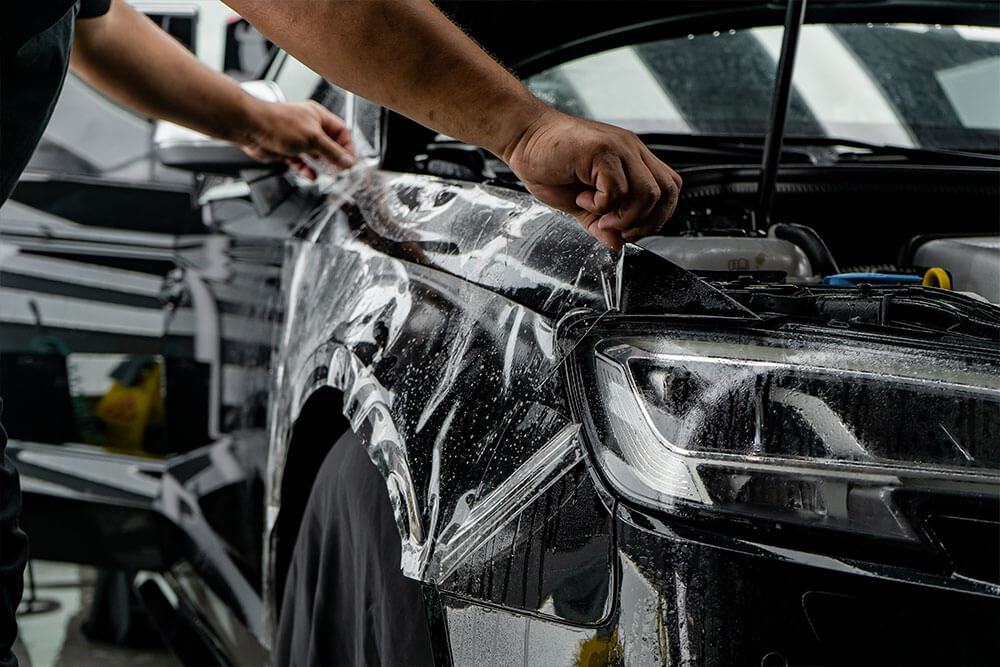
When I bought my car, I knew a standard wax or even a ceramic coating wouldn’t be enough to block the physical impact of 12 hours of daily desert sun. I needed a physical barrier. I chose a high-performance paint protection film (PPF) that boasted a 99% UV-rejection rate.
2,190 Days of 99% Protection
For six years, my car has been shielded by this invisible “SPF 50” layer. The math is simple but effective: by filtering out 99% of the harmful radiation, the actual paint surface only experienced about 21 days’ worth of UV damage over the span of 2,190 days.
This is why, when I recently took the car for a professional inspection, the gloss meter readings were off the charts. The paint hasn’t “thinned” from polishing, and it hasn’t “burned” from the sun. It is factory-fresh because the PPF prevented the oxygen and UV rays from ever reaching the clear coat.
The Subtle Difference: Why the Install Mattered
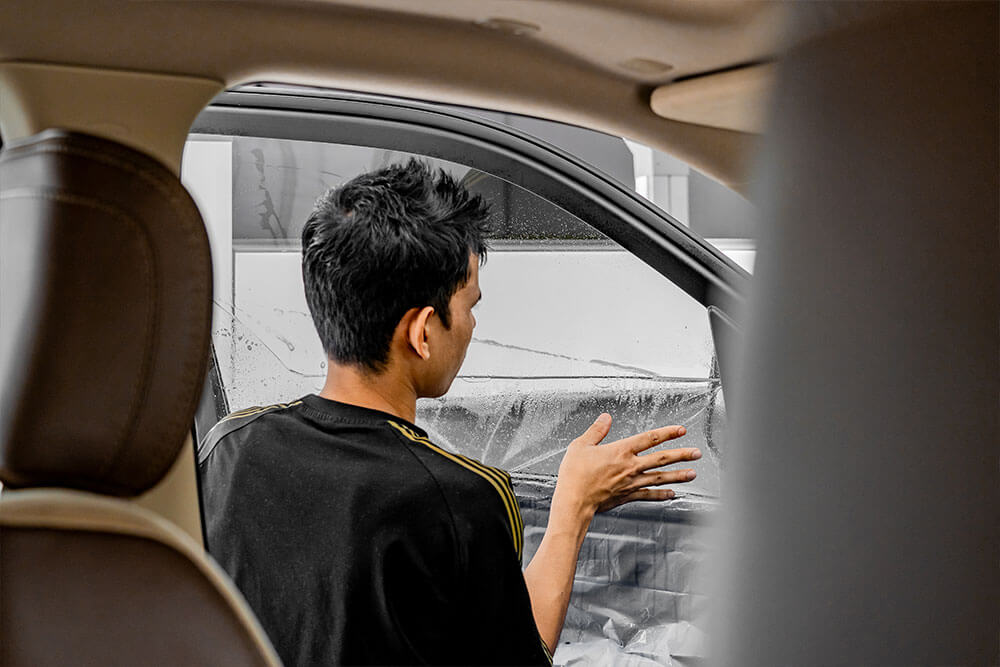
I’ve seen plenty of people get PPF in Dubai only to have it yellow or peel after two years. The reason my car still looks showroom-ready after six years isn’t just the film—it’s the technical “nitty-gritty” of the installation.
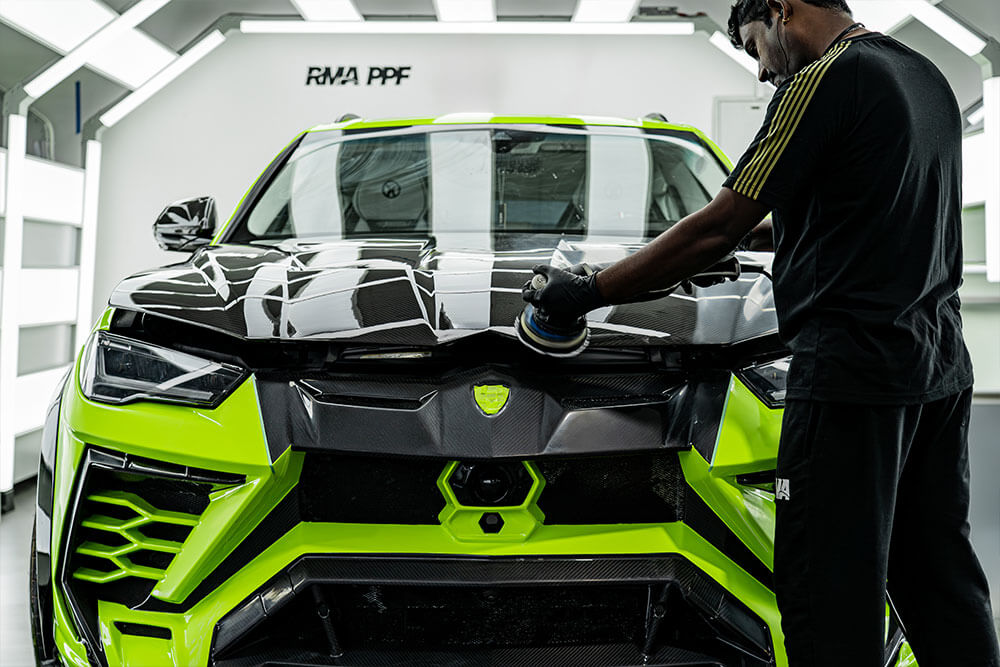
I took my car to RMA PPF, a studio run by genuine car enthusiasts who understand exactly how the desert environment attacks a vehicle. They explained that if a film isn’t wrapped properly or if even a microscopic layer of dust is trapped during the process, the UV rays can actually “bake” those contaminants into the paint.
The specialist team at RMA PPF utilized a clean-room environment to ensure the car PPF was bonded perfectly. Their attention to detail is likely why they maintain a 5-star standard of excellence; they didn’t just “wrap” the car; they hermetically sealed the paint.
The Verdict: Frozen in Time
If you plan on keeping your car for more than three years in the UAE, paint protection film isn’t an option—it’s a necessity for value retention. My car is a living time capsule. While other vehicles from its era are starting to show their age through faded plastics and oxidized hoods, mine still carries that deep, liquid-like reflection.
0% oxidation is possible, even in Dubai. You just need the right shield and a team of enthusiasts who know exactly how to apply it.

Get In Touch
Stay Connected For Ultimate Car Care
 sales@rmappf.ae