
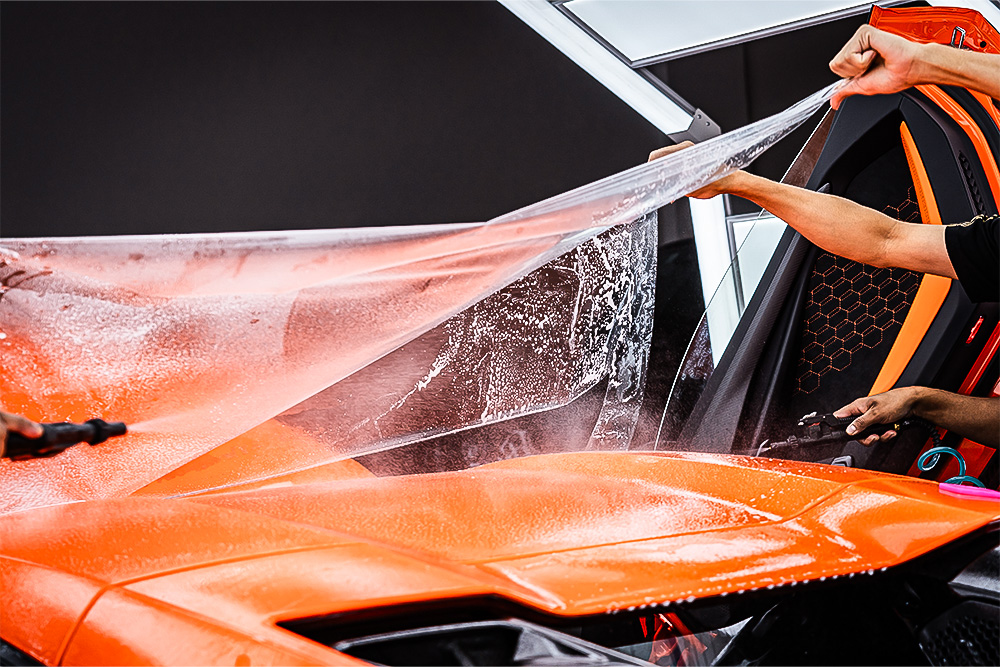
It’s the silent killer of any vehicle’s aesthetic: that sickly, dull yellow hue that can creep across paint protection film after just a few seasons. You invested in a premium PPF car intending to preserve its flawless look for years, but instead, the film itself starts to compromise the very finish it was meant to protect.
This isn’t a random occurrence; it’s a predictable form of degradation caused by specific chemical reactions. In the high-UV, high-temperature environment of Dubai, understanding why PPF turns yellow is the first step toward choosing a car protection film that actually lasts. Profilm has engineered a solution that turns this common failure point into its greatest strength.
The Chemical Culprits: Why Failure Happens
The yellowing effect is primarily caused by two factors that accelerate dramatically under the UAE sun:
1. UV Breakdown of the TPU Substrate
The core material of any quality PPF automotive is TPU (Thermoplastic Polyurethane). While TPU is incredibly durable and flexible, UV radiation from the sun is molecularly powerful enough to break down the polyurethane’s structure over time. This process, known as oxidation, causes the material itself to yellow.
Cheaper films use lower-quality TPU that lacks sufficient internal UV inhibitors, meaning the degradation starts almost immediately in the relentless Dubai sun.
2. Adhesive Failure and Discoloration
Another culprit is the adhesive system bonding the paint protection film to the clear coat. If the adhesive isn’t built to resist UV penetration, the sun breaks down the glue. As the adhesive cures and degrades, it releases discoloration that permeates the film from beneath, resulting in a cloudy, yellowish haze.
In a parked car in Dubai, internal temperatures can soar past 60°C (140°F), dramatically accelerating both the oxidation of the TPU and the breakdown of the adhesive.
Profilm’s Double-Layer Defense
The 10-year clarity of a Profilm installation is not luck; it’s the result of engineering the film to specifically counter UV and thermal stress. Profilm addresses both layers of the problem:
1. Engineered TPU Substrates (The Core)
Profilm sources the highest quality TPU substrates globally. This foundation is chemically treated to maximize its inherent resistance to UV radiation, ensuring that the material itself resists the fundamental breakdown that leads to yellowing. This provides the durable core needed to make Profilm a best PPF contender in any climate.
2. The Superior Top Coat (The Shield)
Crucially, Profilm applies its coatings under strict, controlled clean-room conditions. This top layer features advanced, proprietary UV inhibitors that act as the primary defense against solar radiation. By reflecting and absorbing the UV light before it can penetrate the TPU substrate or the adhesive, this top coat ensures the film maintains its optical clarity and pristine look for years beyond the competition.
The combination of the highest quality TPU with this highly resistant, UV-blocking top coat creates a double-layered defense system. This makes Profilm PPF one of the few car protection film brands truly engineered to survive and thrive under the 50°C summer conditions of Dubai.
Choosing a premium film is the only way to ensure your PPF car maintains its intended showroom finish. You avoid the cost and hassle of premature film replacement while enjoying the peace of mind that comes from guaranteed clarity.


Get In Touch
Stay Connected For Ultimate Car Care
 sales@rmappf.ae