

I still remember the “old days” of driving in Dubai—back when a 30% tint was the strict legal limit, and every summer felt like a personal battle against the sun. You’d see cars with dark, illegal films that looked great during the day but turned into a visibility nightmare the moment the sun dipped below the Arabian Gulf.
Fast forward to 2026, and the landscape has changed. The RTA’s shift to allowing up to 50% window tint for private vehicles wasn’t just a policy update; it was a revolution for comfort and safety. If you’re like me, you probably wondered: Is 50% actually enough, or do I still need to push the limits?
After a year of driving with the new legal standard, I can tell you: 50% is the absolute sweet spot.
The Shift from “Darkness” to “Defense”
For a long time, we thought darkness equaled heat rejection. We wanted that “blacked-out” look because we assumed it was the only way to stop the cabin from turning into an oven. But as I learned when I finally upgraded my own ride, 2026 technology has moved past the need for “limo tints.”
When I went to get my car window tint updated, I sat down with a group of genuine petrolheads who live for this stuff. They explained the nitty-gritty of how modern films work. It’s no longer about how much light you block; it’s about what kind of energy you’re stopping.
A high-quality 50% nano-ceramic film today rejects more heat than a 100% blacked-out dyed film did ten years ago. By opting for the RTA-approved 50%, I didn’t just stay legal; I actually got a cooler car.
Night Driving: The Real Game-Changer
The real reason 50% has become the new standard isn’t just about the heat—it’s about the night. If you’ve ever tried to reverse into a tight spot in a dimly lit JLT parking garage with 70% tint, you know the struggle. It’s dangerous.
With 50% window tint, the clarity is staggering. I have that much-needed privacy during the day, but at night, I’m not squinting through a dark haze. I can see pedestrians, I can see lane markings on the E11, and I’m not constantly rolling my windows down just to use my side mirrors. It’s the first time I’ve felt like I didn’t have to compromise safety for a cool cabin.
Why the Installer Makes the Difference
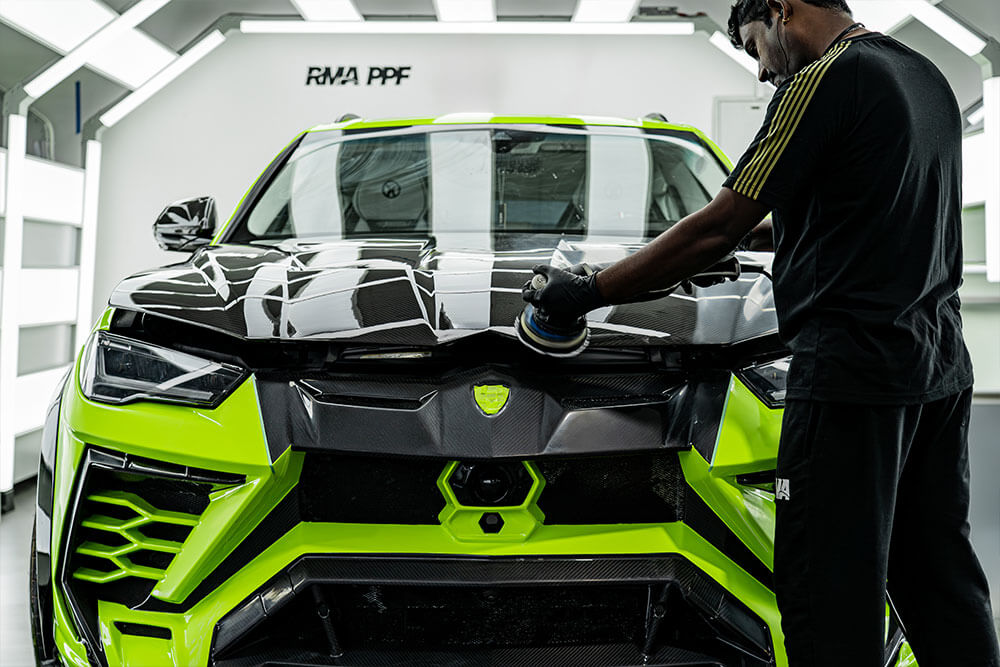
I didn’t want a “mall-parking-lot” job for this. I wanted someone who understood the nitty-gritty of 2026 film specs. I ended up at RMA PPF, and the experience was night and day.
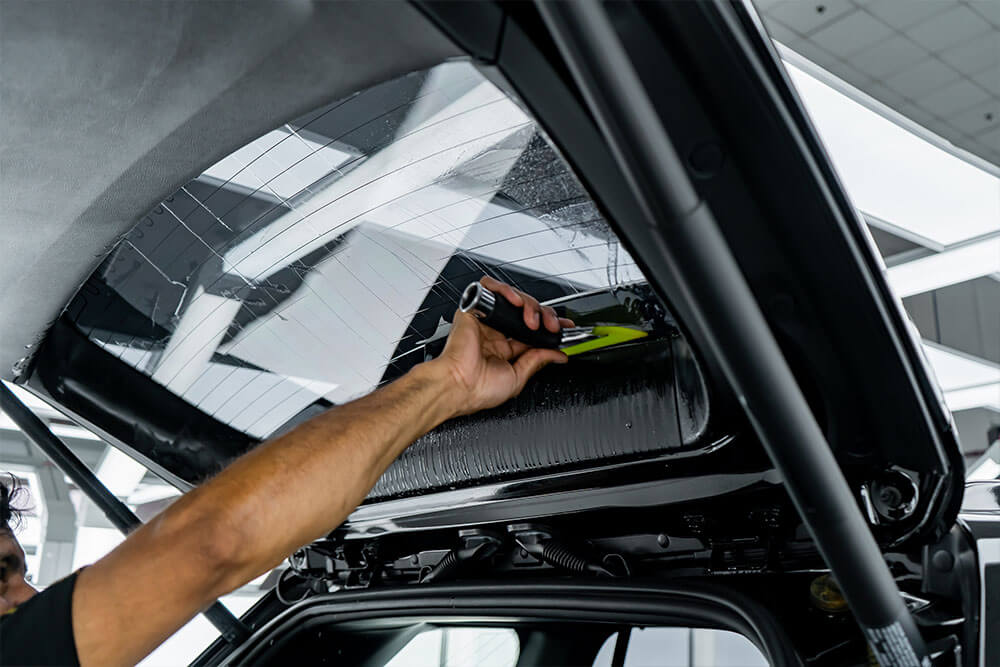
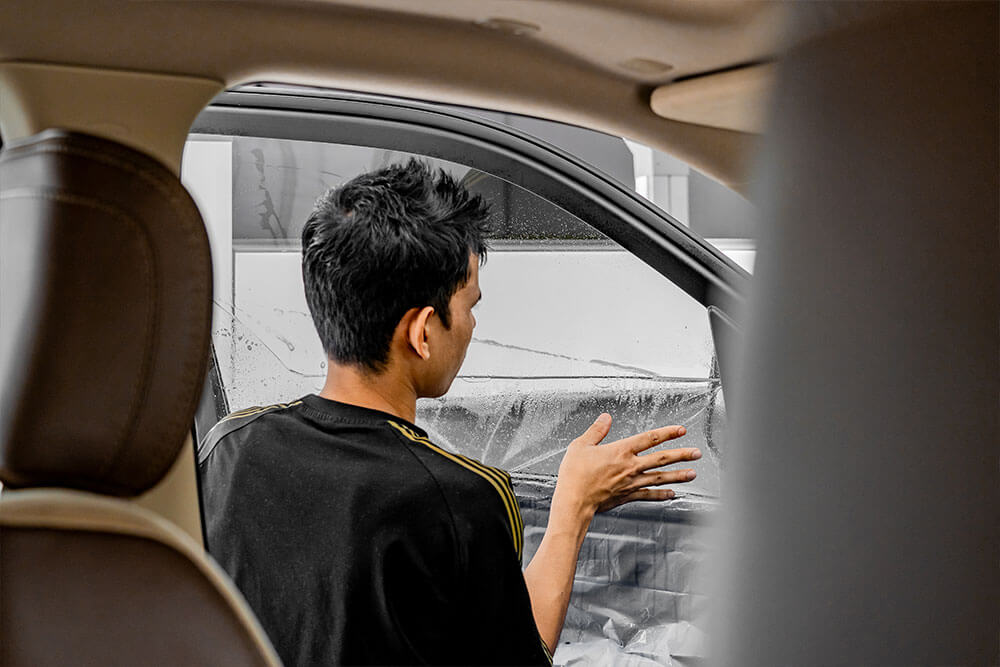
They aren’t just a shop; they are an enthusiast-led studio. These guys are the ultimate petrolheads—they understand how the RTA guidelines interact with your car’s specific glass type. They use digital plotters to ensure the car window tint fits the glass with surgical precision, leaving zero light gaps. They don’t just “apply a film”; they engineered a thermal shield for my car that keeps me RTA-compliant while looking absolutely flawless.
The Verdict
If you’re still clinging to the idea that darker is better, it’s time to move into 2026. The 50% standard is the new king of the road. It provides the perfect balance of heat rejection, UV protection, and nighttime visibility.

Get In Touch
Stay Connected For Ultimate Car Care
 sales@rmappf.ae