


When you invest in a premium paint protection film, you’re not just buying a product; you’re securing a decade-long shield for your vehicle. It’s a smart decision that locks in your car’s pristine finish and resale value. But the journey doesn’t end the moment you drive away from the installation bay.
To ensure your PPF lives up to its 10-year warranty and continues to perform flawlessly, a proper aftercare routine is essential. Think of it as a low-effort, high-reward maintenance plan. With a few simple habits, you can keep your PPF car looking spectacular for its entire lifespan.
This guide will walk you through the key aftercare practices, from your first wash to long-term maintenance, ensuring your invisible car protection film provides a decade of worry-free defense.
The First 48 Hours: The Curing Period
The first two days after installation are the most crucial. While the film may look perfect, the adhesive is still in a curing phase, and moisture used during installation is still evaporating.
What to Do: Nothing. The best thing you can do is leave the car to sit and cure. Park it in a garage or a shaded area to allow the film to bond properly. You might notice a few minor bubbles or a hazy appearance—this is completely normal. These are pockets of water and air that will naturally evaporate over the next few weeks as the film cures.
What Not to Do: Do not wash the vehicle. Do not drive in a heavy sandstorm or down a dusty road. Do not touch or push on any small bubbles. Interfering with the film during this critical period can compromise the adhesion and cause permanent lifting or creases.
Your Regular Washing Routine
After the initial curing period, your PPF car is ready to be washed. One of the biggest advantages of a high-quality PPF is that it makes cleaning easier. Its hydrophobic properties cause water to bead and repel dirt, so contaminants don’t bond to the surface as easily.
The Golden Rules of Washing: Use a pH-Neutral Soap: Always use a car shampoo that is pH-neutral. Harsh, acidic, or alkaline cleaners can degrade the film’s top coat, reducing its effectiveness and lifespan.
The Two-Bucket Method: This is the most effective way to prevent swirl marks and fine scratches. Use one bucket with soapy water and a microfiber wash mitt, and a second bucket with clean water to rinse your mitt after each section of the car. This keeps dirt from being dragged across the film.
Pressure Wash with Caution: A power washer is fine to use, but keep the nozzle at least one meter away from the film’s edges and seams. Direct, high-pressure streams can lift the film if held too close.
Dry with a Soft Touch: Never let your car air dry, as this can leave behind stubborn water spots. Use a clean, soft microfiber towel or a dedicated car dryer to gently dry the surface.
Addressing Contaminants and Stains
While PPF is highly resistant, it’s not invincible. Contaminants like bird droppings, tree sap, or dead insects should be removed promptly, especially in hot weather.
The Solution: Use a quick detailer spray designed for PPF and gently wipe the area with a fresh microfiber towel. Avoid scrubbing aggressively, as this can still cause minor surface scuffs. For more stubborn contaminants, a clay bar can be used with extreme care and a lubricant, but only if absolutely necessary and without applying excessive pressure.
Long-Term Film Health
To ensure your car protection film lasts its full life, consider these habits:
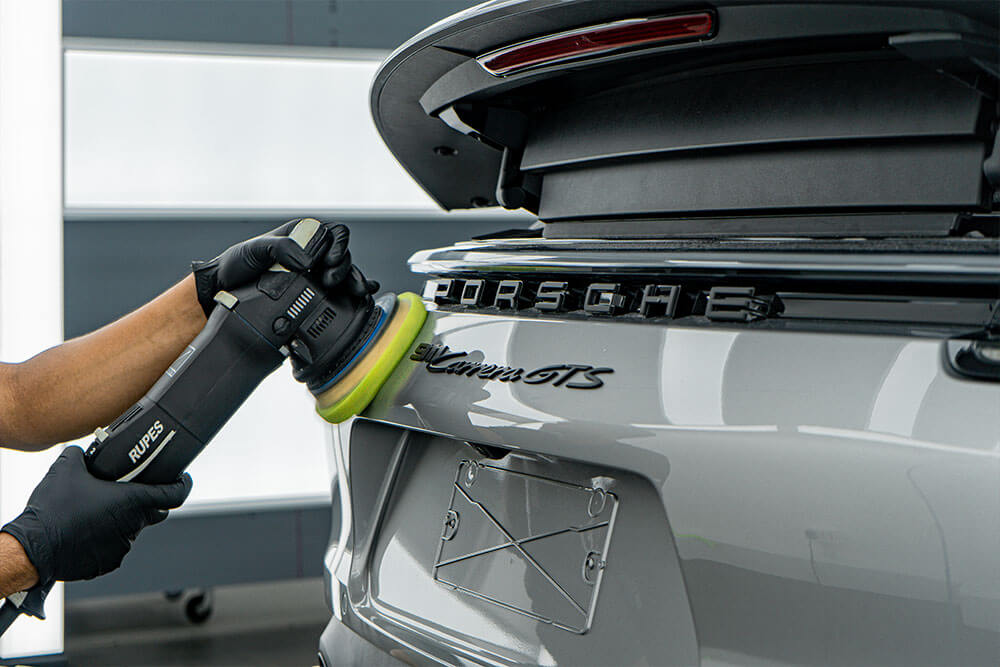
Avoid Abrasive Products: Never use abrasive polishes, waxes with dyes, or rubbing compounds on your PPF. These products are designed to remove a thin layer of a car’s clear coat and can damage the self-healing top layer of the film.
Regular Inspections: Periodically inspect the edges and seams of the film for any signs of lifting or peeling. Catching these issues early allows for a simple fix before they become a larger problem.
Consider a Ceramic Coating: For the ultimate in low-maintenance care, a professional-grade ceramic coating can be applied on top of the PPF. This enhances the film’s hydrophobic properties, making it even easier to clean and providing an additional layer of UV protection.
Following these simple steps will ensure your investment remains protected and your car’s finish looks just as stunning on the last day of the film’s life as it did on the first.


Get In Touch
Stay Connected For Ultimate Car Care
 sales@rmappf.ae