

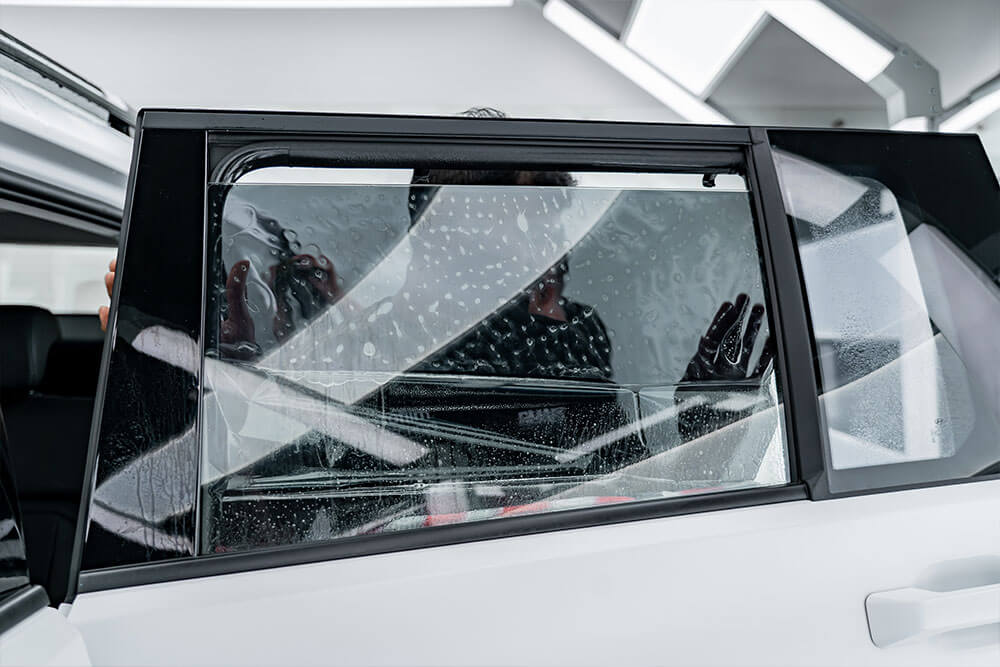
Window tinting is common across the UAE, where strong sunlight and high temperatures can make driving uncomfortable. Tint can help reduce glare, limit solar heat entering the cabin, and provide greater privacy. However, choosing a very dark film without checking the applicable requirements can create problems during vehicle inspections or when driving on public roads.
Understanding the rules before installation helps you select a film that provides the benefits you want without creating unnecessary compliance concerns.
How Dark Can Car Window Tint Be in the UAE?
The commonly referenced UAE standard permits tinting of vehicle windows up to 50%, subject to the applicable rules and vehicle requirements. However, car owners should not treat a tint percentage as the only consideration.
Different vehicle windows can have different requirements, and the interpretation of permissible tint can depend on the vehicle and applicable authority. Before installing or replacing film, it is sensible to confirm the current requirements with the relevant emirate’s licensing authority.
For Dubai-registered vehicles, checking current RTA requirements is particularly important.
Why Does Tint Darkness Matter?
Very dark tint can reduce visibility, particularly at night or in poor weather conditions. Excessive darkness can also make it more difficult for other road users, traffic officers, or inspectors to see inside the vehicle when necessary.
A quality tint does not necessarily need to be extremely dark to provide useful solar control. Film technology, heat rejection, infrared performance, and visible light transmission should all be considered when choosing a product.
| Consideration | Why It Matters |
| Visible light transmission | Affects how much light enters the cabin |
| Heat rejection | Helps manage interior temperature |
| UV protection | Reduces exposure to ultraviolet radiation |
| Optical clarity | Supports clear visibility |
| Film quality | Influences durability and appearance |
| Legal compliance | Helps avoid inspection or road-use issues |
What About Vehicle Inspections?
Window tinting can become relevant when a vehicle undergoes technical inspection. UAE traffic regulations require vehicles to comply with applicable safety and licensing conditions, while substantial vehicle modifications may require approval and inspection by the relevant licensing authority.
Dubai’s RTA also provides technical inspection services and requires vehicles to meet general validity and safety conditions.
This is why owners should avoid assuming that a film is acceptable simply because it is commercially available.
Should You Choose the Darkest Tint?
Not necessarily. The darkest appearance may not provide the best combination of visibility, comfort, and compliance.
For Dubai’s climate, a high-quality ceramic or other performance-oriented film can provide meaningful heat and UV control without relying entirely on a very dark appearance. The appropriate choice depends on the vehicle, glass, driving conditions, and owner’s priorities.
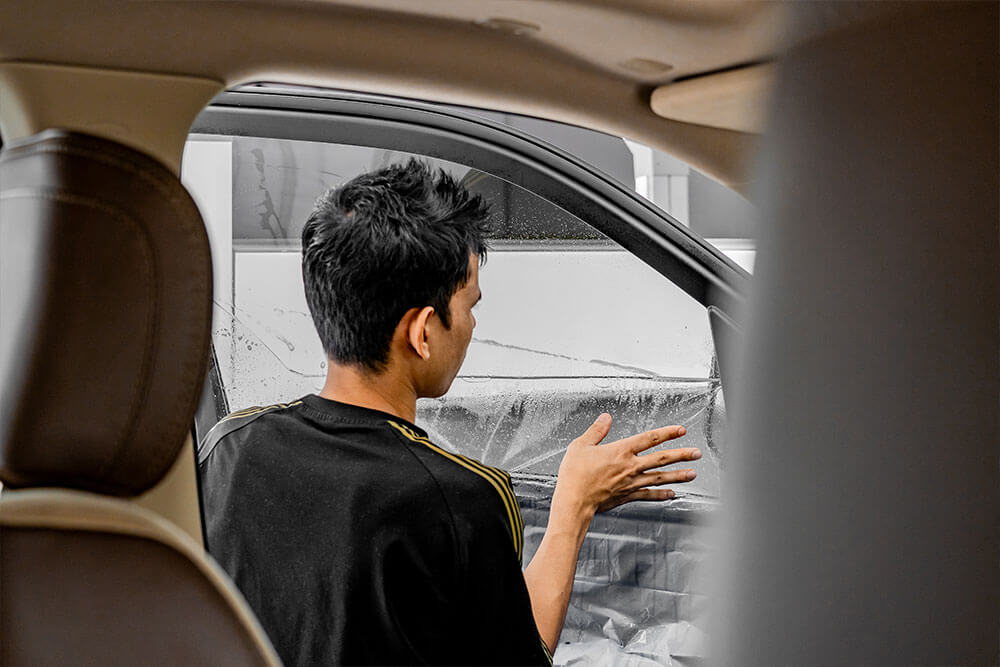
Professional installation also helps ensure that the film is applied cleanly without excessive bubbling, distortion, or edge lifting.
Choosing Window Tint in Dubai
Before installation, ask about the film’s visible light transmission, heat-rejection characteristics, UV protection, warranty, and suitability for your vehicle’s glass. It is also worth confirming the applicable legal requirements for your vehicle rather than relying on informal recommendations.
RMA PPF Dubai, window tinting can be selected according to the vehicle and the owner’s requirements, with attention to appearance, cabin comfort, and practical road use.
For owners considering window tint in the UAE, the key is to balance protection, comfort, visibility, and compliance. Checking the latest requirements before installation and choosing a suitable professional-grade film can help you enjoy the benefits of tinted windows without unnecessary complications.

Murray Kid
Automotive Expert
Murray Kid is an automotive expert with over 20 years of experience in vehicle protection and car care. Specializing in paint protection film (PPF) and detailing services, Murray has worked with leading brands to bring the latest in vehicle maintenance technologies. Passionate about educating car enthusiasts, he shares insights on the best practices for maintaining and protecting your vehicle’s paint, from PPF applications to ceramic coatings. When he isn't working on vehicles, Murray enjoys staying up-to-date with the latest trends in automotive technology and innovation.

Get In Touch
Stay Connected For Ultimate Car Care
 sales@rmappf.ae