

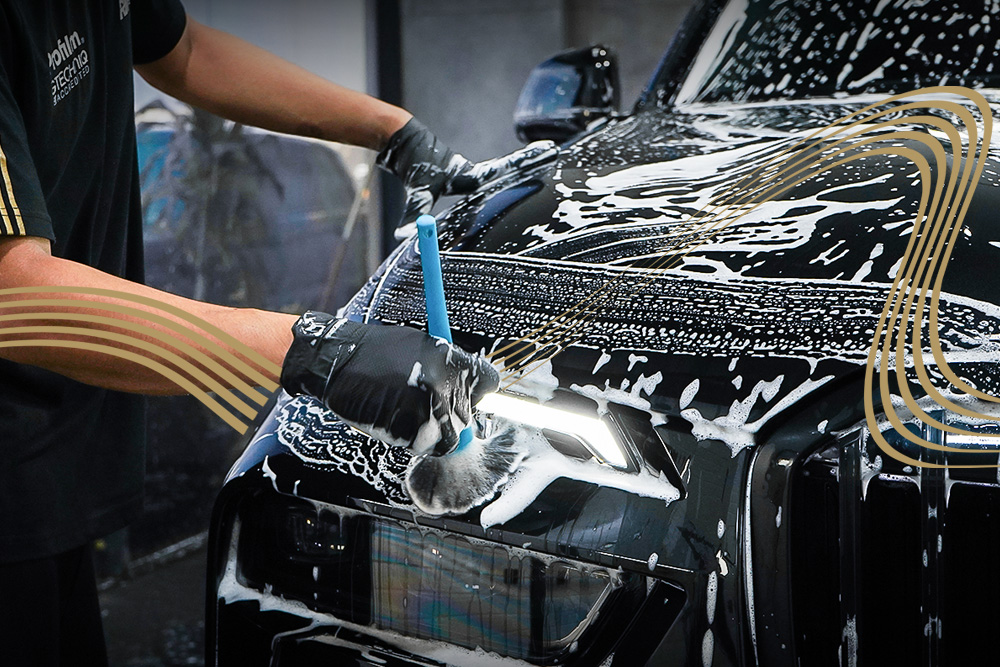
Car shampoo is often chosen based on foam level or fragrance, but one of the most important technical factors is pH level. The pH value determines how acidic or alkaline a shampoo is, and this directly affects how it interacts with automotive paint, protective coatings, and surface contaminants.
In car detailing, understanding pH balance is essential for maintaining paint health, preserving coatings, and ensuring long term surface protection.
What pH means in car care products
The pH scale measures how acidic or alkaline a solution is on a scale from zero to fourteen. A value below seven is considered acidic, while a value above seven is alkaline. A neutral solution sits at seven.
Car shampoos are formulated at different pH levels depending on their intended purpose. This balance determines how aggressively the shampoo cleans the surface and how it interacts with wax, sealants, or ceramic coatings.
pH neutral shampoos and their role
pH neutral shampoos are the most commonly recommended option for regular maintenance washing. They are designed to clean dirt and contaminants without disrupting protective layers on the paint surface.
Because they are balanced, they are gentle on wax, sealants, and coatings while still providing effective cleaning performance. This makes them suitable for frequent use, especially on vehicles with applied protective layers.
Alkaline shampoos and cleaning strength
Alkaline shampoos have a higher pH level and are more effective at breaking down heavy contamination such as road grime, grease, and stubborn dirt. They are often used in pre-wash stages or for vehicles with heavy buildup.
However, stronger alkaline solutions can gradually weaken protective layers if used too frequently. Over time, they may reduce the durability of wax or sealant based protection if not followed by proper maintenance routines.
Acidic shampoos and specialized cleaning
Acidic shampoos are less common and are typically used for specific detailing tasks such as removing mineral deposits or water spots. Their lower pH level allows them to dissolve certain types of contamination that neutral or alkaline products cannot remove effectively.
Because of their strength, acidic shampoos must be used carefully. Improper or frequent use can affect sensitive surfaces and reduce the lifespan of protective coatings.
Impact on paint and clear coat
Automotive paint systems include a clear coat that acts as the primary protective layer. The interaction between shampoo pH and this layer is critical. Neutral products maintain stability, while extreme pH levels can gradually alter the surface chemistry if misused.
Regular exposure to harsh chemicals without proper rinsing or maintenance can lead to dullness or reduced gloss over time.
Interaction with protective coatings
Modern vehicles often use protective coatings such as wax, sealants, or ceramic based layers. These coatings rely on chemical stability to maintain performance.
pH neutral shampoos help preserve these layers by cleaning the surface without breaking down the protective bond. Strong alkaline or acidic products, if used repeatedly, can shorten coating lifespan and reduce hydrophobic performance.
A well engineered example of advanced surface protection systems is shogun PPF which focuses on long term durability and environmental resistance across its protective solutions.
Importance of proper detailing practice
Correct shampoo selection is only part of proper vehicle care. Washing technique also plays a major role in preserving paint quality. Using clean microfiber materials, avoiding circular scrubbing, and rinsing thoroughly helps minimize surface stress.
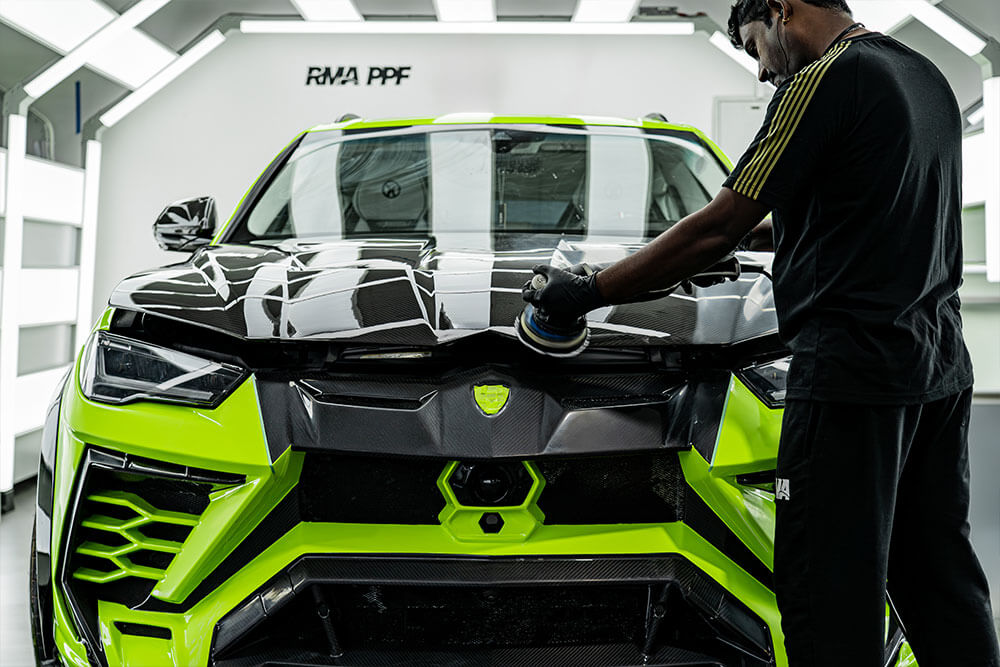
In professional detailing environments such as RMA PPF, pH balanced maintenance systems are used to ensure safe cleaning while preserving protective coatings and surface clarity.
Technical insight for vehicle owners
pH levels in car shampoos directly influence how cleaning agents interact with paint and protective layers. Neutral formulations are ideal for regular maintenance, while stronger acidic or alkaline products should be reserved for specific detailing needs. Understanding this balance helps maintain paint integrity, preserve coatings, and extend the overall lifespan of automotive surface protection in both daily and extreme environmental conditions.


Get In Touch
Stay Connected For Ultimate Car Care
 sales@rmappf.ae