

Paint protection film is designed to act as a durable barrier against environmental elements, but its long term condition is also influenced by how it is cleaned. Car wash chemicals vary widely in composition, and their pH levels play a direct role in how safely they interact with the film surface. Understanding this balance is essential for maintaining clarity, adhesion, and overall performance over time.
Understanding pH balance in car wash chemicals
Car wash solutions are generally classified based on their pH value. A neutral solution sits around pH 7, acidic cleaners fall below this level, and alkaline or high pH products sit above it. Each category behaves differently when applied to paint protection film.
Neutral solutions are considered the safest for routine maintenance. They clean the surface without aggressively interacting with the film’s protective top layer. Acidic and highly alkaline products are more active and are typically designed for removing stubborn contaminants such as tar, mineral deposits, or heavy grime.
While these stronger chemicals have their place in detailing, frequent use can gradually affect the surface condition of paint protection film.
Effect of harsh chemicals on film surface
High acidity or strong alkalinity can slowly reduce the smoothness of the film’s top coat. Over time, this may impact gloss level, clarity, and water behavior on the surface. In some cases, repeated exposure can also weaken hydrophobic properties, making the surface more prone to water spotting.
In regions like Dubai where dust accumulation is frequent, car owners often rely on intensive cleaning products. However, excessive use of aggressive cleaners can shorten the visual lifespan of the film even if the structural protection remains intact.
Impact on adhesive stability
Although the adhesive layer of paint protection film is protected beneath the surface, prolonged exposure to harsh chemicals during improper washing methods can still have indirect effects. Chemicals that seep into edges or lifted areas may influence bonding strength over time.
This is especially relevant when combined with high pressure washing or repeated edge exposure. The combination of chemical stress and mechanical force increases the risk of lifting in vulnerable areas such as corners and panel edges.
A high quality system such as shogun PPF is engineered to resist environmental and chemical stress under normal maintenance conditions, but proper care remains essential to preserve long term performance.
Safe washing practices for PPF
Maintaining paint protection film requires a controlled approach rather than aggressive cleaning routines. Using a pH neutral shampoo for regular washes is the most reliable method for preserving surface quality. It removes dust and light contaminants without affecting the top coat.
Soft microfiber wash mitts are recommended to reduce friction and prevent fine surface marks. High pressure water should be used carefully, keeping a safe distance from edges and seams to avoid unnecessary stress on adhesion points.
For tougher contaminants, spot treatment is preferred instead of applying strong chemicals across the entire surface. This limits exposure while still addressing specific problem areas.
Professional care and maintenance awareness
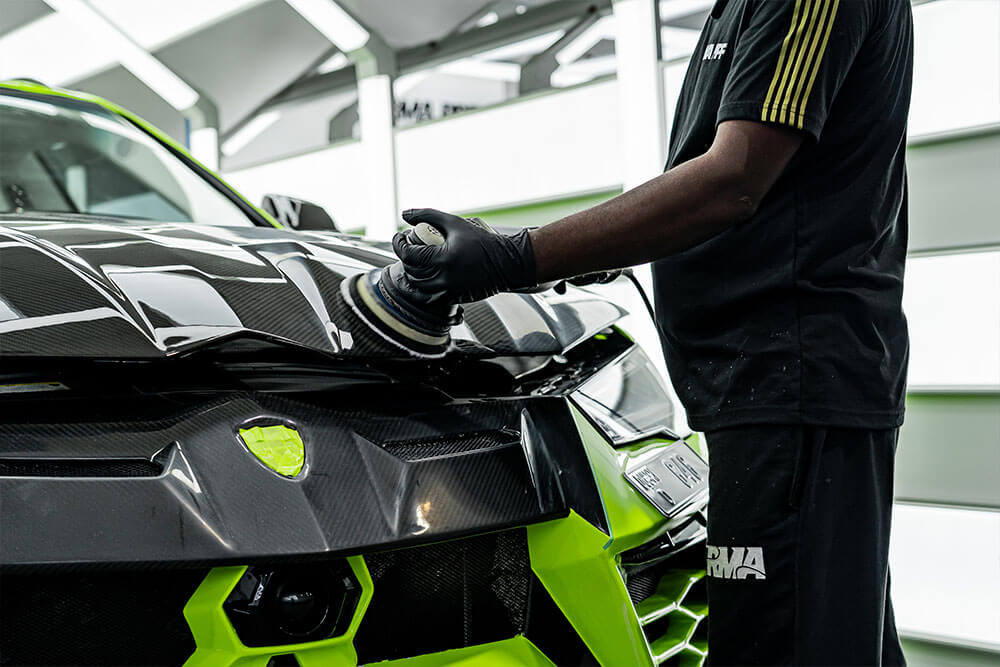
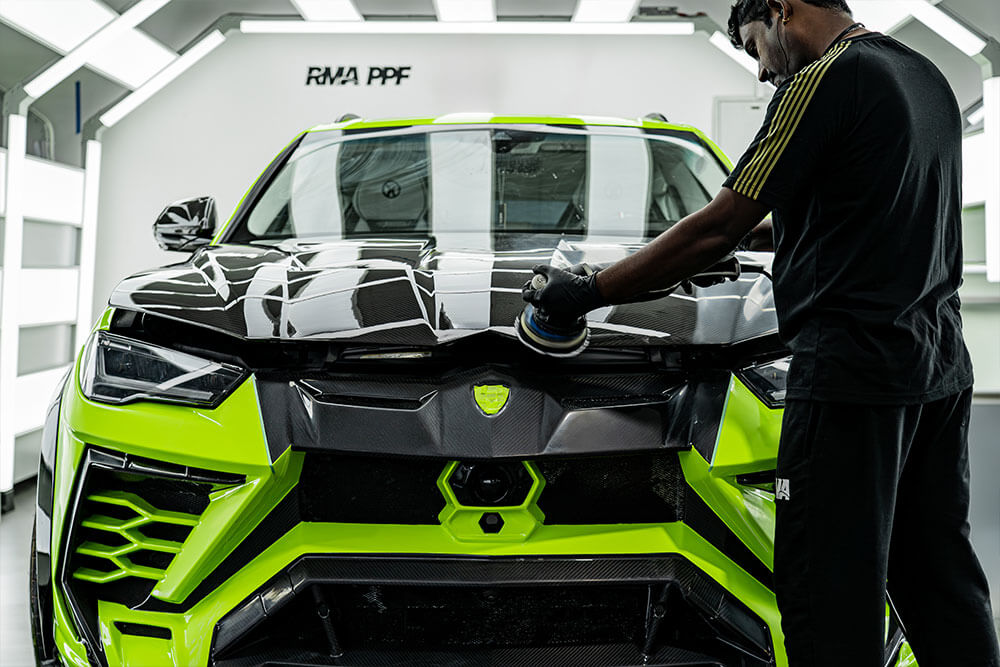
Even with correct at home washing practices, periodic professional detailing helps maintain consistent surface condition. Skilled technicians understand how to balance chemical strength with film safety, ensuring that cleaning methods do not compromise long term performance.
In Dubai, studios such as RMA PPF emphasize controlled maintenance approaches that align with the material properties of modern paint protection films. This ensures that both appearance and protective function remain stable over time.
Practical insight for vehicle owners
Paint protection film is highly resistant to everyday environmental exposure, but its longevity is closely linked to maintenance habits. Chemical strength, application method, and washing frequency all contribute to how the film ages visually.
A balanced approach that favors neutral cleaning agents and careful washing techniques ensures that the film continues to perform as intended while preserving clarity and surface quality under regular use.


Get In Touch
Stay Connected For Ultimate Car Care
 sales@rmappf.ae