


Clear coat failure is one of the most visible forms of paint deterioration seen on vehicles exposed to extreme environmental conditions. In regions like the UAE where intense sunlight, high temperatures, and fine dust are constant factors, the clear coat layer faces continuous stress that can gradually lead to visible damage. Understanding why this happens and how it can be managed helps vehicle owners protect both appearance and long term paint condition.
What clear coat actually does
The clear coat is the transparent outer layer applied over automotive paint. It is responsible for providing gloss, depth, and protection against environmental exposure. This layer shields the base paint from ultraviolet radiation, oxidation, and minor surface abrasions.
While it is designed to be durable, it is still a sacrificial layer that gradually degrades over time when exposed to harsh conditions without proper maintenance.
How UAE heat contributes to clear coat damage
The UAE climate presents a combination of extreme heat and strong ultraviolet radiation. When a vehicle is parked under direct sunlight for extended periods, the surface temperature of the paint can rise significantly above ambient conditions.
This repeated heating and cooling cycle causes the clear coat to expand and contract. Over time, this thermal stress weakens the structural integrity of the layer, leading to fading, dullness, and eventually surface cracking or peeling.
Dust and sand particles also contribute by acting as micro abrasives during cleaning or wind exposure, slowly wearing down the protective surface.
Common signs of clear coat failure
Clear coat failure does not occur instantly. It develops gradually through visible warning signs. These include loss of gloss, uneven surface texture, chalky appearance, and in advanced stages, flaking or peeling of the top layer.
In early stages, the damage may appear as dull patches where the reflective quality of the paint has weakened. As deterioration progresses, the surface becomes increasingly rough and inconsistent in appearance.
Role of maintenance and environmental exposure
Improper washing techniques and lack of protective maintenance accelerate clear coat degradation. Using harsh chemicals or abrasive materials during cleaning can strip away protective properties of the surface layer.
Frequent exposure to direct sunlight without any form of surface protection increases oxidation rates. Over time, this leads to irreversible damage that cannot be corrected through basic cleaning alone.
Prevention through protective solutions
Preventing clear coat failure requires reducing direct exposure to environmental stress. Regular washing with appropriate products helps remove contaminants that can accelerate surface breakdown.
Protective coatings such as wax, sealants, or advanced ceramic solutions add an additional barrier against UV radiation and chemical exposure. These treatments help slow down oxidation and maintain gloss for a longer period.
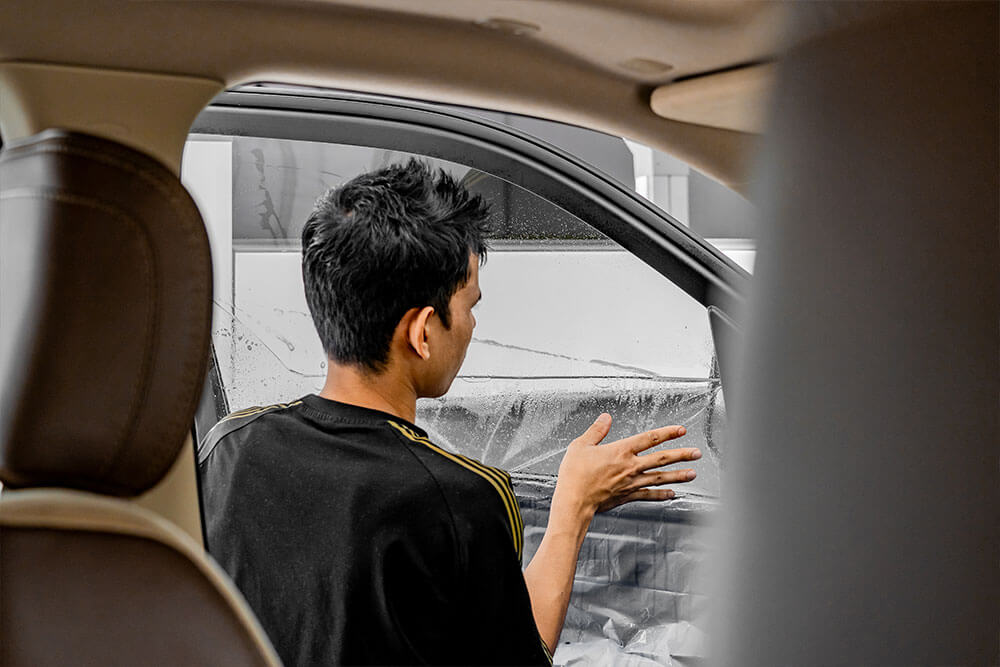
In advanced automotive care systems, high quality protective materials such as shogun PPF are also used to provide a physical barrier against environmental damage, helping preserve the original paint condition under harsh climate conditions.
Importance of professional detailing
Professional detailing plays a key role in identifying early signs of clear coat stress. Experienced technicians can assess surface condition and recommend appropriate corrective or protective treatments before damage becomes severe.
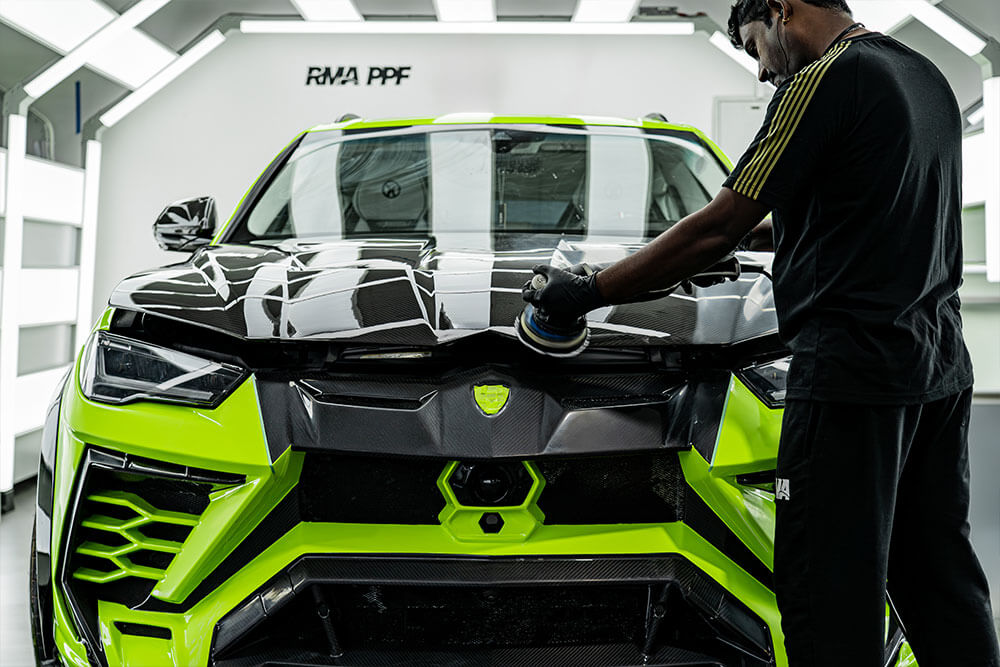
In the UAE, detailing specialists such as RMA PPF focus on structured maintenance approaches that combine cleaning, surface correction, and protective application to extend paint longevity.
Correction and repair options
Once clear coat failure reaches an advanced stage, correction options become limited. Minor dullness and oxidation can often be improved through polishing and paint correction techniques. However, severe peeling or flaking usually requires repainting of affected panels.
Early intervention is therefore critical to avoid costly restoration work.
Technical insight for vehicle owners
Clear coat failure in UAE conditions is primarily driven by long term heat exposure, UV radiation, and environmental abrasion. While the clear coat is designed to protect the underlying paint, it requires consistent maintenance and protective measures to remain effective. When properly cared for, it can maintain gloss and durability even under demanding climate conditions, but neglect significantly accelerates its breakdown.

Get In Touch
Stay Connected For Ultimate Car Care
 sales@rmappf.ae