

Dashboard cracking is one of the most common interior issues seen in vehicles exposed to prolonged heat and sunlight. In regions like the UAE, where temperatures remain high for most of the year, interior surfaces are under constant thermal stress. The dashboard, being directly exposed through the windshield, is often the first interior component to show visible signs of aging.
Understanding why this happens helps vehicle owners take preventive steps before permanent damage occurs.
What causes dashboard cracking
Dashboards are typically made from a combination of plastic, vinyl, foam, and synthetic polymers. These materials are designed to be flexible and durable under normal conditions. However, when exposed to continuous heat and ultraviolet radiation, their structure begins to change over time.
High temperatures cause the material to expand during the day and contract when the vehicle cools at night. This repeated cycle creates internal stress within the surface layer. Over time, the material loses elasticity, becoming dry and brittle, which eventually leads to visible cracks.
Role of ultraviolet radiation
Ultraviolet radiation plays a major role in dashboard deterioration. UV rays penetrate through the windshield and gradually break down the chemical bonds within interior materials. This process, known as photodegradation, weakens the structural integrity of plastics and vinyl surfaces.
As the protective compounds within the dashboard material degrade, the surface becomes more prone to fading, discoloration, and eventual cracking.
Heat buildup inside parked vehicles
When a vehicle is parked under direct sunlight, the cabin temperature can rise significantly within a short period of time. The dashboard absorbs this heat directly, making it one of the hottest interior surfaces in the car.
This trapped heat accelerates material aging. Dark colored dashboards are particularly affected because they absorb more solar energy compared to lighter surfaces, Without any form of protection, repeated heat exposure leads to surface drying and loss of flexibility.
Early warning signs of dashboard damage
Dashboard cracking does not happen suddenly. It develops gradually through visible indicators. These include fading color, loss of surface smoothness, slight warping, and small hairline cracks.
In early stages, the surface may still appear intact but will feel drier or less flexible to the touch. As damage progresses, cracks become more visible and may spread across larger sections of the dashboard.
Preventive care and maintenance practices
Preventing dashboard cracking requires reducing exposure to direct heat and UV radiation. Parking in shaded areas or using sunshades helps limit interior temperature buildup.
Regular cleaning with appropriate interior products also helps maintain surface moisture balance. Using harsh chemicals or alcohol based cleaners can accelerate drying of materials, increasing the risk of cracking over time.
Interior conditioning products designed for automotive surfaces help maintain flexibility and slow down material degradation when used correctly and consistently.
Role of window tint in interior protection
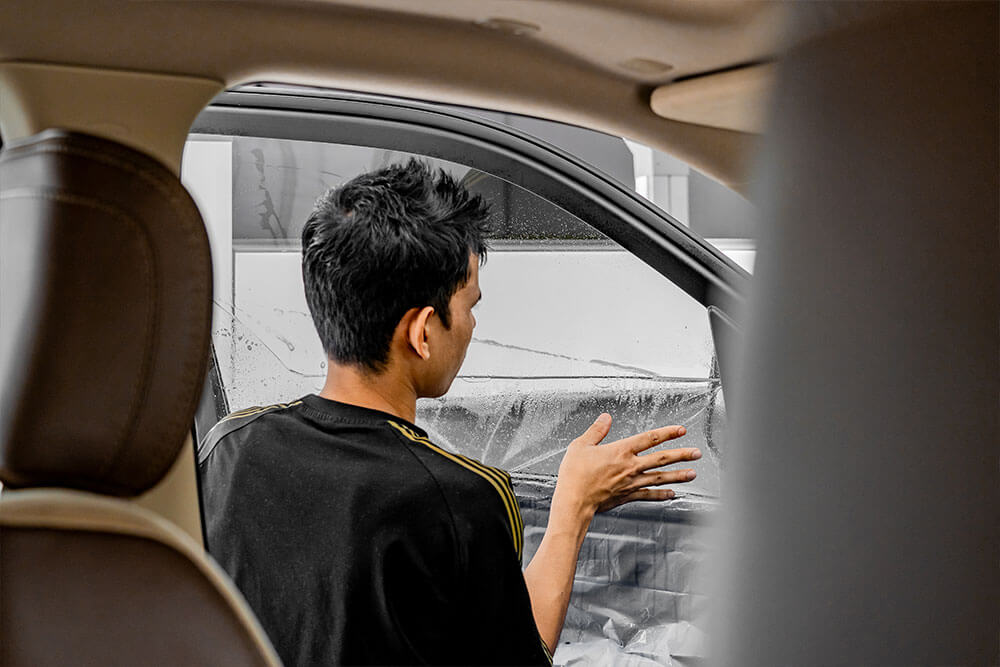
High quality window tint plays an important role in reducing interior heat buildup and UV exposure. By blocking a significant portion of solar radiation, it helps maintain lower cabin temperatures and reduces stress on interior surfaces.
Advanced film technologies such as ceramic based solutions are particularly effective in minimizing heat transfer through glass, helping protect dashboards and other interior components from premature aging.
A well engineered example of automotive protection material systems is shogun PPF which focuses on long term stability and environmental resistance across its protective solutions.
Importance of professional detailing care
Professional detailing helps identify early signs of interior wear before damage becomes severe. Experienced technicians can recommend appropriate treatments such as conditioning, protective coatings, or restoration processes depending on the level of surface deterioration.
In the UAE, detailing specialists such as RMA PPF follow structured care approaches that focus on preserving both interior and exterior conditions under harsh climate conditions.
Technical insight for vehicle owners
Dashboard cracking is a gradual process driven by heat exposure, UV radiation, and material aging. While modern automotive materials are designed for durability, they still require protection and maintenance in extreme climates. Consistent care combined with heat and UV reduction measures significantly extends dashboard lifespan and preserves interior appearance over time.

Get In Touch
Stay Connected For Ultimate Car Care
 sales@rmappf.ae