

Window tint performance is often discussed in terms of comfort, but not all comfort factors are the same. Two of the most important optical performance characteristics are glare reduction and heat rejection. While they are related to sunlight, they function in completely different ways and affect the driving experience in distinct forms.
Understanding the difference helps vehicle owners choose tint based on real performance needs rather than appearance alone.
What glare reduction actually means
Glare reduction refers to the ability of window tint to reduce the intensity of visible light entering the vehicle. Glare is what the driver experiences when bright sunlight or reflective surfaces temporarily reduce visibility or cause eye strain.
Tint films reduce glare by controlling how much visible light passes through the glass. This is measured by visible light transmission, which determines how dark or light the film appears. Lower visible light transmission usually results in stronger glare reduction.
However, glare reduction does not necessarily indicate how well a film manages heat. A darker film may reduce glare effectively but still allow significant heat to enter the cabin.
What heat rejection means
Heat rejection refers to the film’s ability to block infrared radiation, which is the primary source of heat inside a vehicle. Unlike visible light, infrared energy is not seen but felt as temperature increases.
High quality tint films use advanced materials to reduce infrared penetration, keeping the cabin cooler even under strong sunlight. This function is independent of how dark the film appears, meaning a relatively light film can still provide strong heat rejection if engineered correctly.
Key difference between optical and thermal performance
Glare reduction is an optical function that affects visibility and eye comfort. Heat rejection is a thermal function that affects cabin temperature and cooling efficiency.
A film that performs well in glare reduction improves driving comfort during bright conditions, especially during sunrise and sunset. A film that performs well in heat rejection improves overall cabin temperature control during prolonged exposure to sunlight.
Both functions are important, but they address different aspects of driving experience.
Why darkness does not equal performance
One of the most common misconceptions is that darker tint automatically provides better protection. In reality, darkness only affects visible light transmission. It does not guarantee high infrared rejection.
Modern tint technologies are designed to separate these functions. Advanced films can remain relatively clear while still providing strong heat rejection through engineered materials such as ceramic particles.
This allows vehicle owners to maintain visibility while still benefiting from improved cabin comfort.
Material technology behind performance balance
Advanced window tint films use multi layer structures that balance optical clarity with thermal control. These films are designed to reduce infrared heat without excessively blocking visible light.
A strong example of advanced material engineering in automotive protection systems is shogun PPF which focuses on long term stability, clarity, and consistent performance across protective film technologies.
Such systems are designed to ensure that both glare reduction and heat rejection work together without compromising visibility or durability.
Importance of installation quality
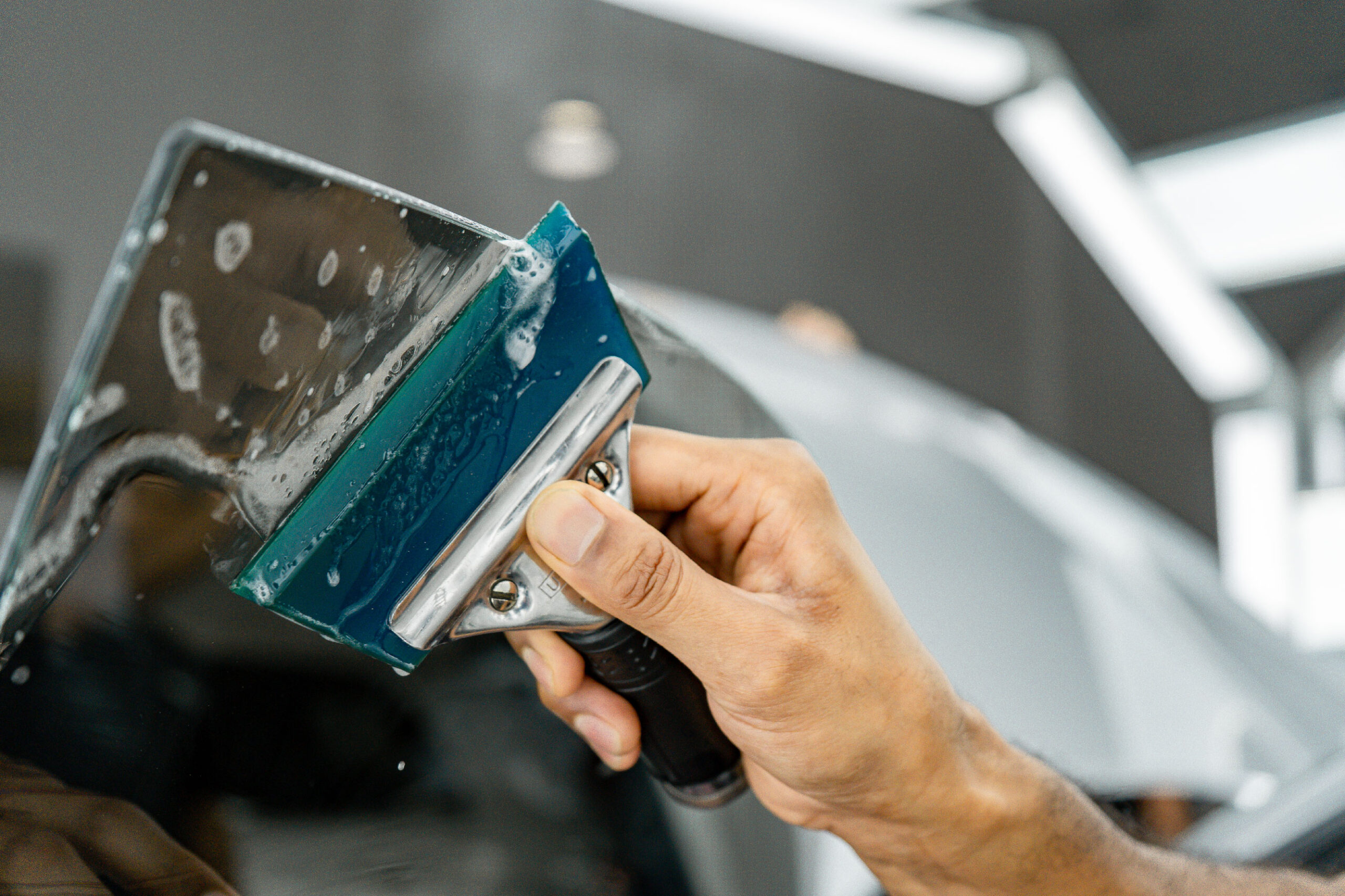
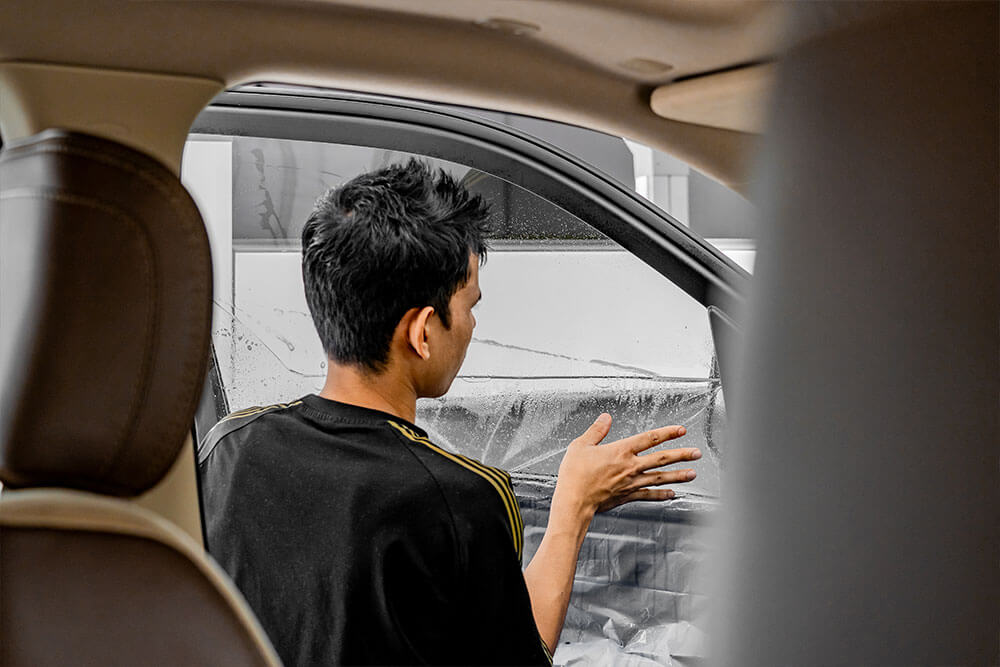
Even high performance films require precise installation to achieve their intended optical results. Proper application ensures that the film sits evenly on the glass surface without distortion, bubbles, or contamination.
Inconsistent installation can affect how light passes through the film, which may influence glare perception even if the material itself is high quality.
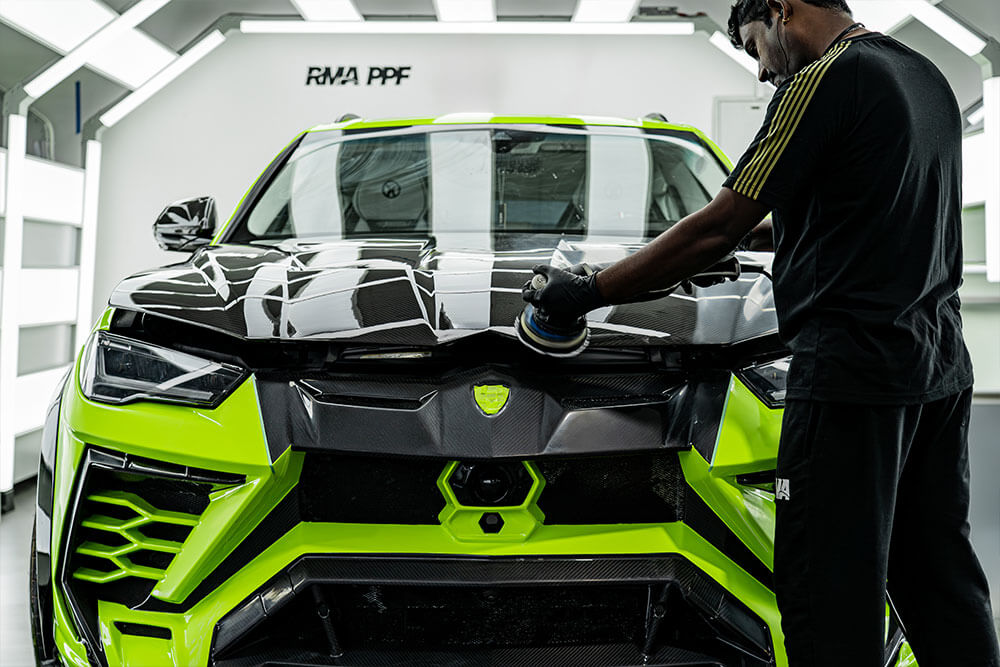
In Dubai, professional installation practices followed by studios such as RMA PPF ensure that tint films are applied with accuracy across all windows, maintaining consistent optical performance in real driving conditions.
Technical insight for vehicle owners
Glare reduction and heat rejection serve different but complementary roles in window tint performance. One improves visual comfort by controlling brightness, while the other improves thermal comfort by reducing heat buildup. A well engineered film balances both functions, providing a stable driving environment under varying sunlight conditions without relying solely on darkness or visual opacity.

Get In Touch
Stay Connected For Ultimate Car Care
 sales@rmappf.ae