

Glass water spots are a common issue for vehicle owners, especially in regions where hard water and high temperatures are prevalent. In places like the UAE, water spots form quickly and can become difficult to remove if left untreated. What begins as a simple surface deposit can gradually develop into mineral etching, which affects both appearance and visibility.
Understanding how water spots form and how they progress into etching helps in choosing the right treatment and prevention methods.
How water spots form on automotive glass
Water spots are created when water droplets containing dissolved minerals evaporate on the surface of glass. As the water evaporates, minerals such as calcium and magnesium remain behind. These deposits create visible circular marks or hazy patches on the glass surface.
In hot climates, evaporation happens quickly, which increases the likelihood of mineral residue being left behind. Frequent exposure to sprinklers, car washes, or rainwater can accelerate this buildup if the glass is not dried properly.
Difference between water spots and etching
Not all water spots are the same. In early stages, mineral deposits sit on the surface of the glass and can often be removed with proper cleaning. This is known as surface spotting.
When left untreated, these minerals begin to bond more strongly with the glass due to heat exposure and time. This process is called etching. Etching occurs when minerals chemically interact with the glass surface, creating permanent marks that cannot be removed through basic cleaning, Etched spots often appear as rough or cloudy areas that remain visible even after washing.
Causes of mineral buildup in UAE conditions
The UAE environment contributes significantly to water spot formation. Hard water used in washing vehicles contains higher mineral content, which increases residue formation when it dries on glass surfaces.
High temperatures accelerate evaporation, leaving minerals behind before they can be wiped away. Dust and environmental contaminants also combine with water droplets, making deposits more stubborn over time.
Early stage treatment methods
When water spots are still in their early stage, they can often be removed using specialized glass cleaners designed to break down mineral deposits. These products dissolve surface contaminants without damaging the glass.
Gentle wiping with microfiber towels helps lift residue without scratching the surface. In some cases, mild acidic cleaners are used in controlled applications to remove mineral buildup effectively.
Advanced etching correction techniques
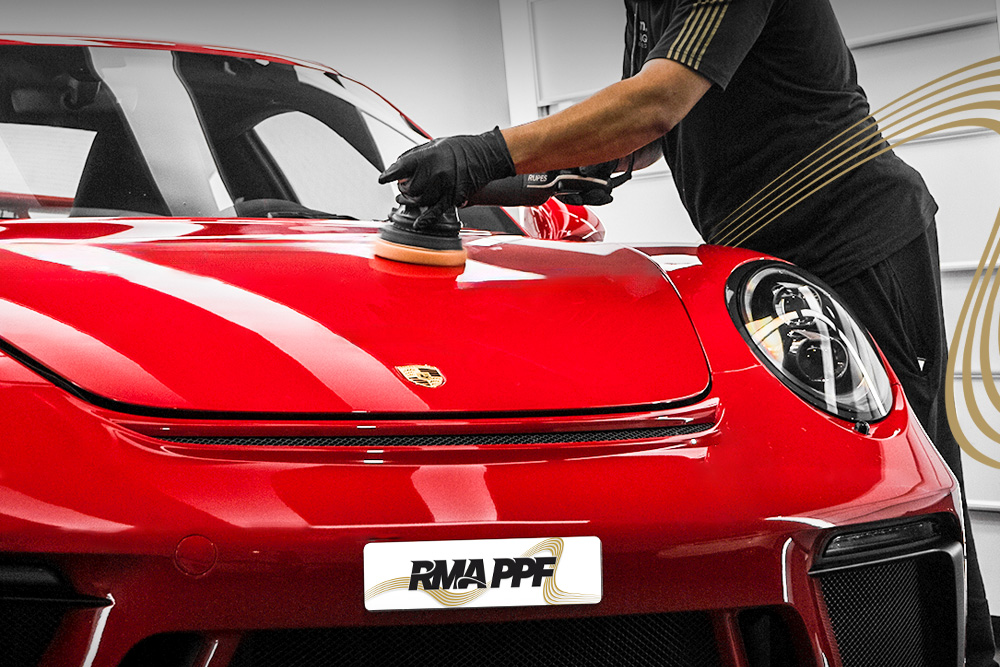
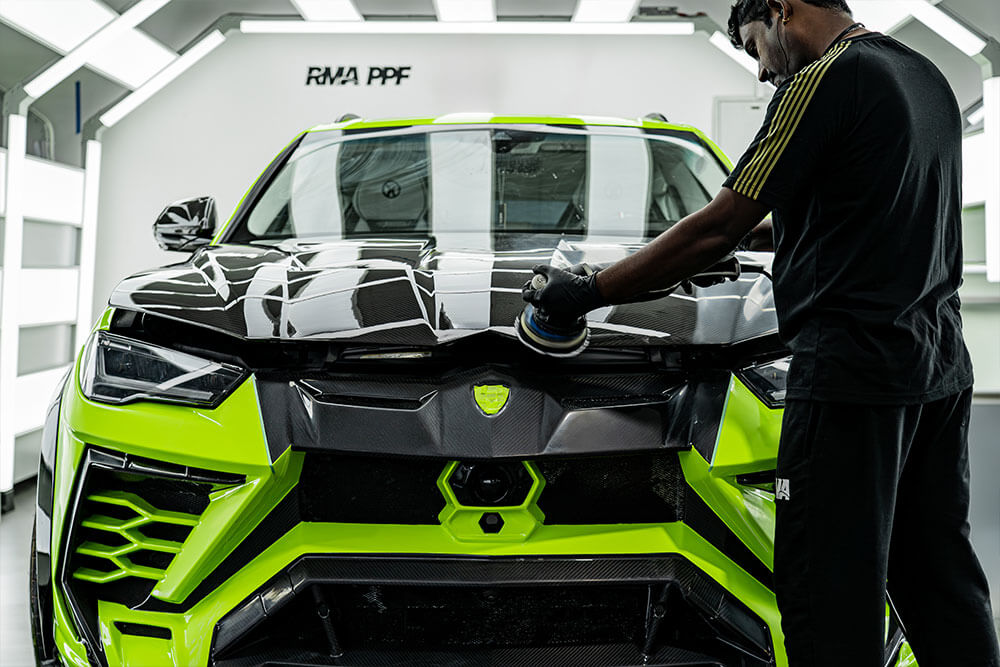
When water spots progress into etching, polishing becomes necessary. Glass polishing involves using abrasive compounds designed to level the surface and remove damaged layers.
This process requires controlled machine polishing to ensure even correction without causing distortion. Multiple passes may be needed depending on the severity of the etching, In severe cases, full restoration may not completely eliminate deep etching, but it can significantly improve clarity and reduce visibility of marks.
Importance of prevention
Preventing water spots is more effective than correcting them. Immediate drying after washing helps prevent mineral residue from forming. Using filtered or deionized water during washing reduces mineral content and lowers the risk of spotting.
Applying hydrophobic coatings to glass surfaces can also help repel water, allowing droplets to slide off before evaporation occurs, In advanced vehicle care systems, protective solutions such as shogun PPF are used on exterior surfaces to reduce environmental impact, while glass protection treatments focus on maintaining surface clarity and resistance to contaminants.
Role of professional detailing
Professional detailing plays a key role in identifying whether water spots are surface level or etched into the glass. Experienced technicians can determine the appropriate treatment method and ensure safe correction without damaging the glass structure.
In the UAE, detailing specialists such as RMA PPF use structured glass care processes that include cleaning, correction, and protective application to maintain long term clarity under harsh environmental conditions.
Technical insight for vehicle owners
Glass water spots begin as simple mineral deposits but can progress into permanent etching if not addressed early. In hot climates, rapid evaporation accelerates this process, making timely cleaning and prevention essential. Proper maintenance, combined with professional correction when needed, ensures long term glass clarity and safe driving visibility.

Get In Touch
Stay Connected For Ultimate Car Care
 sales@rmappf.ae