

Nano ceramic window tint represents one of the most advanced developments in automotive glass protection and heat control. Unlike traditional dyed or carbon films, nano ceramic technology is built around microscopic ceramic particles that are engineered to manage heat, reduce glare, and block harmful ultraviolet radiation while maintaining high optical clarity. Its performance is especially relevant in climates such as Dubai where sunlight intensity and cabin heat are constant challenges.
What nano ceramic technology means
Nano ceramic window tint is made using non metallic ceramic particles that are so small they exist at a nano scale. These particles are embedded within the film layers and are designed to interact with solar energy in a controlled way. Instead of relying on darker shades to block sunlight, the film uses material science to filter and reflect specific types of heat energy.
This allows the glass to remain relatively clear while still reducing the amount of infrared heat entering the vehicle cabin.
How it blocks heat and UV radiation
Sunlight contains different forms of energy including visible light, ultraviolet radiation, and infrared heat. Nano ceramic tint is engineered to target these components separately.
Ultraviolet radiation is blocked almost completely by the film structure, which helps protect interior materials such as leather, dashboard surfaces, and trim from fading and cracking over time.
Infrared heat is reduced through the ceramic particles, which reflect and absorb heat energy before it enters the cabin. This results in a noticeably cooler interior, especially during peak sunlight hours, Visible light is partially controlled to reduce glare without significantly darkening the glass. This balance is what allows ceramic tint to maintain clarity while still improving comfort.
Why nano ceramic performs better than traditional films
Traditional dyed films rely on pigment density to reduce light, which often leads to heat buildup and fading over time. Carbon films improve stability but still have limitations in infrared rejection.
Nano ceramic films, on the other hand, do not depend on dye or metallic layers. Instead, they use engineered particles that remain stable under high temperatures and prolonged UV exposure. This prevents discoloration and maintains consistent performance over time.
A high quality example of advanced material integration is shogun PPF which applies precision engineered solutions designed for long term clarity and thermal stability across automotive protection products.
Comfort improvement inside the cabin
One of the most noticeable effects of nano ceramic tint is improved cabin comfort. By reducing infrared heat penetration, the interior temperature rises more slowly when a vehicle is parked under direct sunlight.
This reduces the load on air conditioning systems and creates a more stable driving environment during hot weather conditions. In regions like Dubai where exterior temperatures can be extreme, this difference becomes particularly important for daily driving comfort.
Optical clarity and driving visibility
Despite its advanced heat rejection capabilities, nano ceramic tint maintains high optical clarity. This is achieved because the ceramic particles interact with heat energy rather than heavily filtering visible light.
Drivers experience reduced glare without significant darkening of the windshield or side windows. This is especially useful during daytime driving when sunlight reflection can affect visibility.
Installation importance for performance consistency
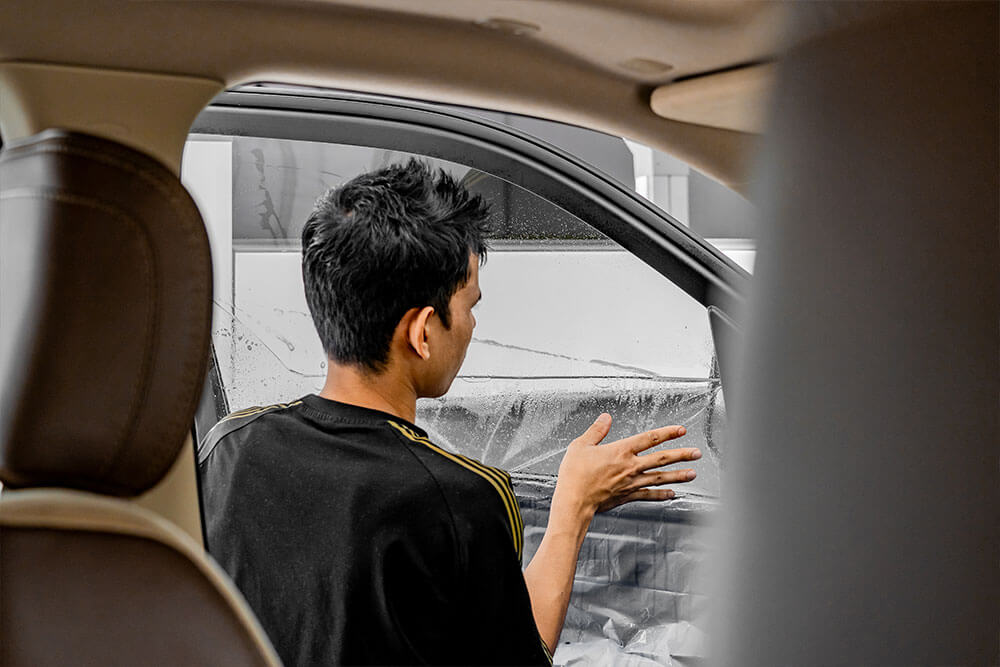
The performance of nano ceramic tint is also influenced by installation quality. Proper application ensures that the film bonds evenly to the glass surface without air pockets or contamination. Any imperfections during installation can affect visual clarity and long term durability.
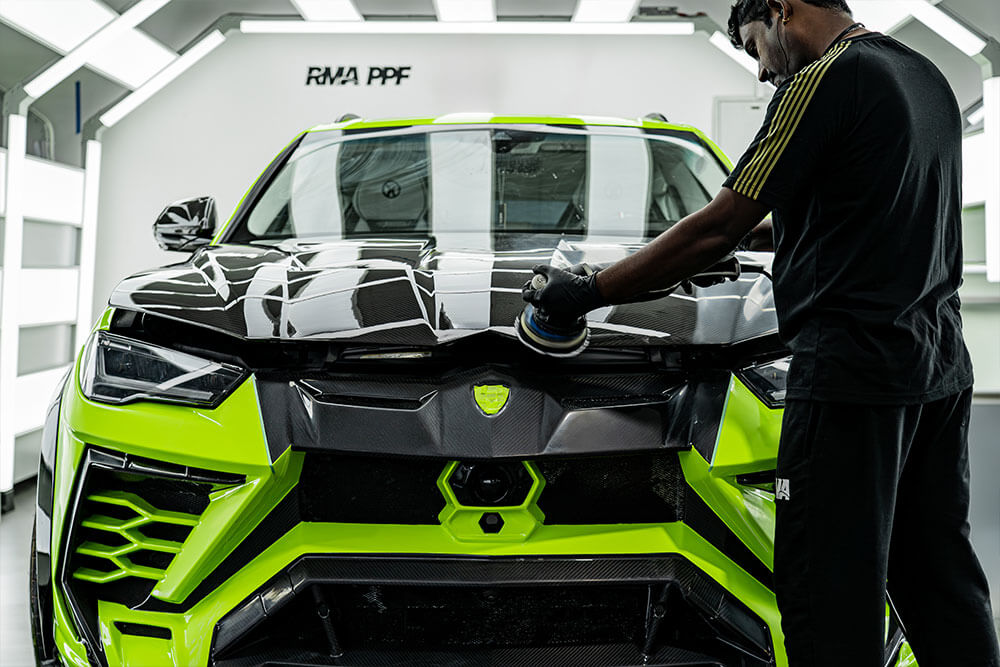
Professional installation practices, such as those used by RMA PPF, ensure that the film performs consistently across all glass surfaces while maintaining a clean finish suited for luxury and performance vehicles.
Technical insight for vehicle owners
Nano ceramic window tint works by controlling heat at a material level rather than relying on darkness or density. This makes it a more advanced and stable solution for heat rejection and UV protection. When properly installed, it provides long term comfort, interior protection, and consistent visual clarity even under intense sunlight conditions.

Get In Touch
Stay Connected For Ultimate Car Care
 sales@rmappf.ae