

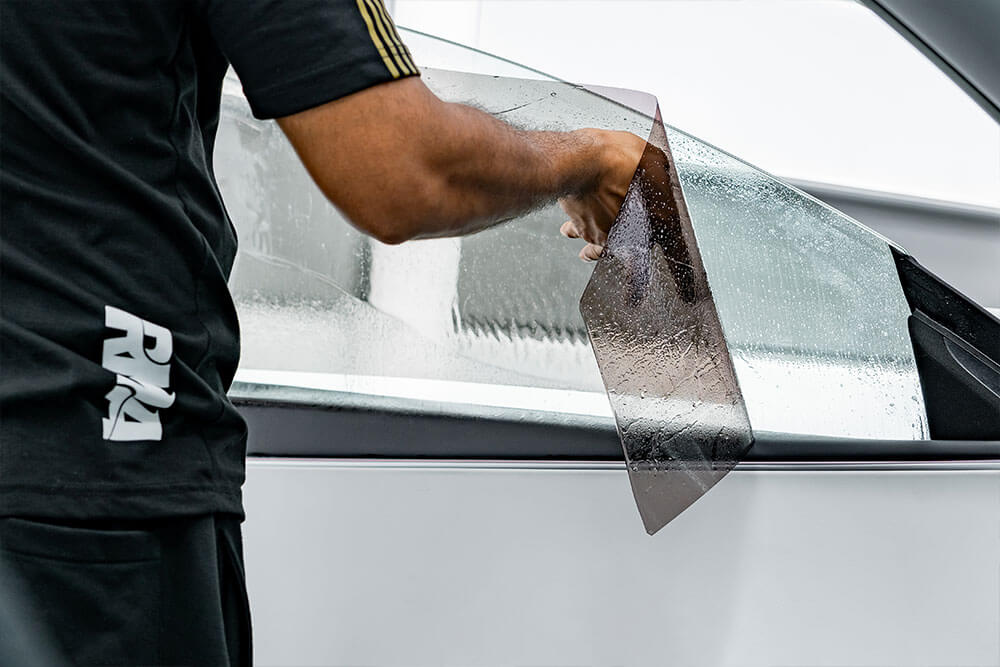
Window tint is often evaluated based on how dark it appears, but darkness alone does not define performance. The real effectiveness of modern tint films comes from their ability to manage different types of solar energy. Two of the most important factors are ultraviolet rejection and infrared rejection. While they are often mentioned together, they refer to very different forms of radiation and serve different protective functions.
Understanding the distinction helps vehicle owners make more informed decisions, especially in regions like Dubai where sunlight exposure is intense throughout the year.
What ultraviolet rejection means
Ultraviolet radiation is a high energy component of sunlight that is invisible to the human eye. It is primarily responsible for long term damage to interior materials such as leather, fabric, plastic, and dashboard surfaces. It also contributes to fading and cracking over time.
Ultraviolet rejection in window tint refers to the film’s ability to block this type of radiation before it enters the vehicle cabin. High quality tint films are capable of blocking nearly all ultraviolet rays, significantly reducing interior degradation and helping preserve original factory condition.
This protection is not dependent on how dark the tint appears. Even lighter films can provide strong ultraviolet rejection when engineered correctly.
What infrared rejection means
Infrared radiation is the portion of sunlight responsible for heat. Unlike ultraviolet rays, infrared energy is directly felt as temperature increases inside the cabin. It is the primary reason vehicles become uncomfortably hot when parked or driven under strong sunlight.
Infrared rejection refers to the film’s ability to reduce heat transfer into the vehicle. This is achieved through specialized materials such as ceramic particles or advanced coatings that reflect and absorb infrared energy before it passes through the glass.
Effective infrared rejection results in a cooler cabin, reduced reliance on air conditioning, and improved overall driving comfort, particularly in hot climates.
Key differences between UV and infrared rejection
Although both forms of rejection contribute to protection, their functions are fundamentally different.
Ultraviolet rejection focuses on long term material preservation. It protects surfaces from chemical breakdown caused by solar radiation. Infrared rejection focuses on immediate comfort by controlling heat levels inside the vehicle.
A film can offer excellent ultraviolet protection without providing strong heat reduction. Similarly, a tint can reduce heat effectively while still offering moderate UV protection. High quality modern films aim to balance both for complete performance.
Why both matter in Dubai’s climate
In Dubai, vehicles are exposed to strong sunlight for extended periods. This makes both ultraviolet and infrared rejection equally important. UV protection preserves interior quality over years of ownership, while infrared rejection directly affects daily driving comfort.
Without sufficient UV rejection, interiors age prematurely even if the vehicle feels cool. Without infrared rejection, the cabin becomes uncomfortable even if interior materials remain protected.
Material technology behind rejection performance
Advanced window tint films use engineered materials to manage both types of radiation. Nano ceramic technology is one of the most effective approaches because it separates visible light from heat and UV energy.
High performance films are designed to maintain stable rejection levels over time without fading or discoloration. A reliable example of advanced material engineering in automotive protection is shogun PPF which focuses on long term stability and clarity across its product range.
Importance of installation quality
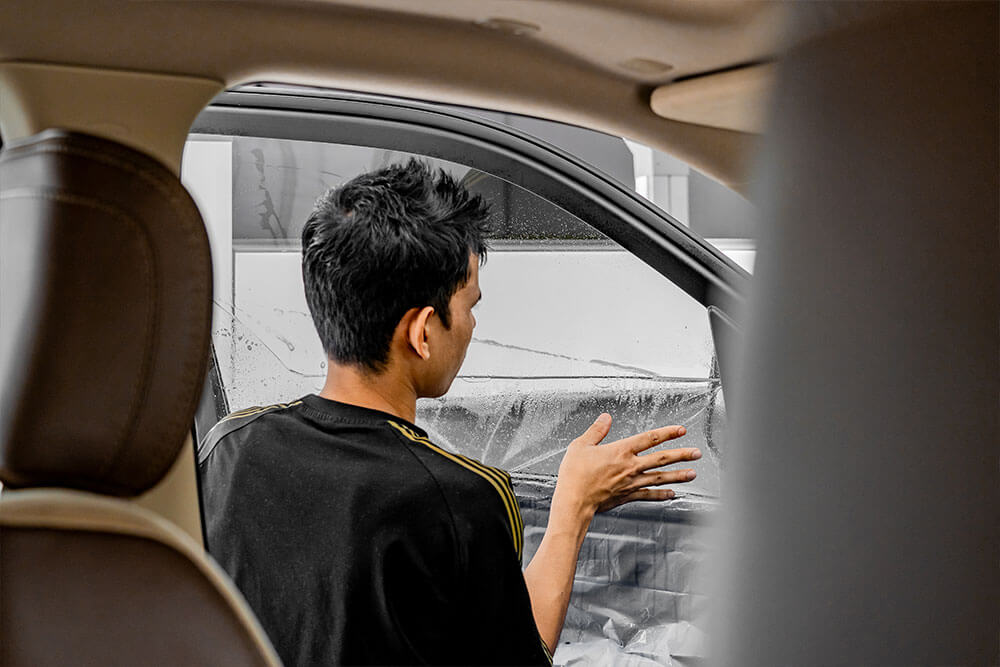
Even high performance tint films require precise installation to achieve their intended results. Proper surface preparation and dust free application ensure that the film adheres evenly to the glass, maintaining consistent optical and thermal performance.
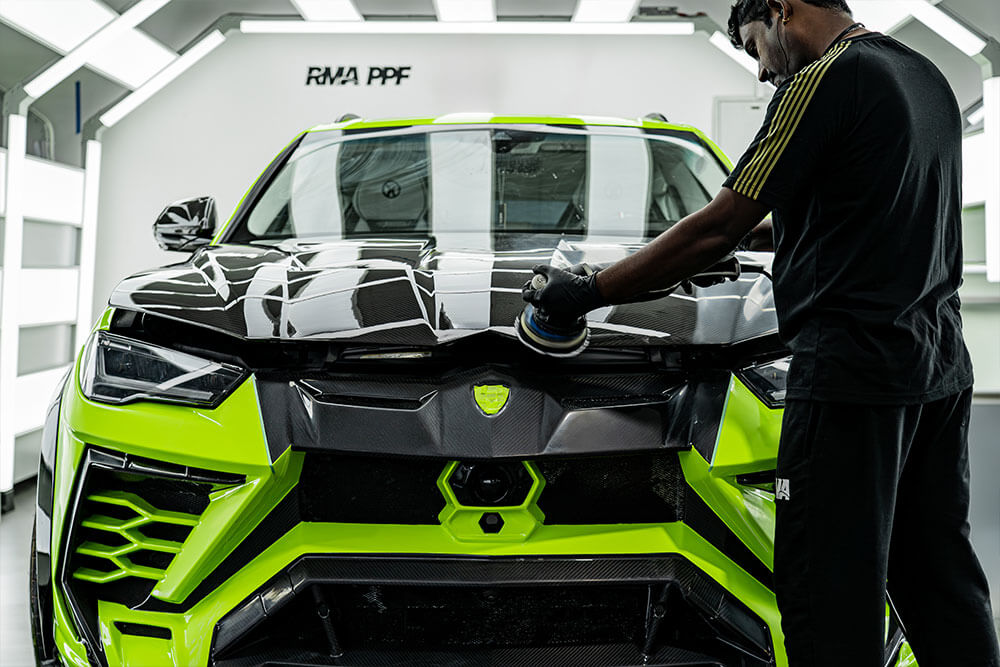
In Dubai, professional installation standards followed by studios such as RMA PPF help ensure that tint films deliver reliable UV and infrared protection across all vehicle types, including luxury and performance models.
Technical insight for vehicle owners
UV rejection and infrared rejection serve different purposes but work together to define overall tint performance. One protects materials over time while the other improves real time comfort. A well engineered film that balances both provides a more complete solution for vehicles exposed to strong sunlight conditions, ensuring both preservation and comfort remain consistent throughout ownership.

Get In Touch
Stay Connected For Ultimate Car Care
 sales@rmappf.ae