

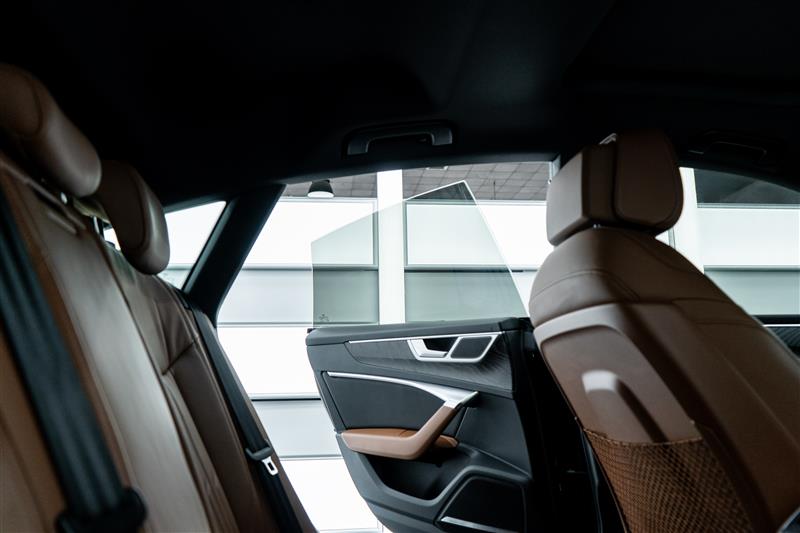
Interior leather drying is a common concern for vehicle owners in regions exposed to extreme heat and sunlight. In the UAE, where cabin temperatures can rise rapidly during parking and daily use, leather interiors are placed under continuous environmental stress. Over time, this leads to dryness, stiffness, fading, and surface cracking if proper care is not maintained.
Understanding why leather dries and how to protect it helps preserve both comfort and long term interior quality.
Why leather dries out in hot climates
Automotive leather is treated and coated to improve durability and resistance to wear. However, it still contains natural oils that help maintain flexibility. When exposed to high temperatures for extended periods, these oils begin to evaporate.
In the UAE, parked vehicles can experience extreme cabin heat buildup. This accelerates moisture loss from leather surfaces, causing them to lose softness and become brittle over time. Continuous exposure to heat cycles further weakens the material structure.
Role of ultraviolet radiation
Ultraviolet radiation plays a major role in leather deterioration. UV rays penetrate through windows and break down the chemical compounds within the leather’s protective coating. This process gradually reduces color vibrancy and surface elasticity.
As UV damage progresses, the leather becomes more prone to fading and surface cracking. Lighter colored interiors may show discoloration earlier, while darker interiors may absorb more heat, increasing drying effects.
Common signs of leather drying
Leather drying does not occur instantly. It develops through visible stages that indicate loss of moisture and flexibility. Early signs include a slightly dull appearance and reduced surface softness.
As the condition progresses, the leather may feel stiff or rough to the touch. Fine surface lines or wrinkles may begin to appear, especially on frequently used areas such as seats, steering wheels, and armrests, In advanced stages, cracks may form, indicating significant structural breakdown within the material.
Impact of daily usage and environment
Frequent entry and exit from the vehicle adds physical stress to leather surfaces. Combined with heat exposure, this accelerates wear in high contact areas.
Dust and fine particles in the environment also contribute to surface abrasion during cleaning or movement. Without proper conditioning, these factors increase the rate of drying and aging.
Importance of proper cleaning
Incorrect cleaning methods can worsen leather drying. Harsh chemicals or alcohol based cleaners strip away protective oils and accelerate moisture loss. Over time, this leads to increased brittleness and surface damage.
Gentle cleaning using appropriate automotive leather cleaners helps remove dirt while preserving natural moisture balance. Regular maintenance prevents buildup of contaminants that can further degrade the surface.
Role of conditioning and protection
Leather conditioning is essential for maintaining flexibility and preventing drying. Conditioners help restore lost moisture and replenish essential oils within the material. When used consistently, they improve softness and reduce the risk of cracking.
Protective coatings can also be applied to create a barrier against UV radiation and heat exposure. These coatings help slow down the drying process and preserve interior appearance.
In advanced automotive care systems, high quality protective solutions such as shogun PPF are used for exterior surfaces, while interior protection strategies focus on maintaining environmental stability across all materials.
Importance of professional detailing care
Professional detailing services play an important role in diagnosing early signs of leather damage and applying suitable treatment methods. Experienced technicians can identify areas of dryness and recommend appropriate conditioning or restoration procedures.
In the UAE, detailing specialists such as RMA PPF follow structured interior care practices designed to preserve leather quality under extreme climate conditions.
Technical insight for vehicle owners
Interior leather drying is a gradual process driven by heat exposure, UV radiation, and loss of natural oils. While modern automotive leather is treated for durability, it still requires regular maintenance to retain flexibility and appearance. Consistent cleaning, conditioning, and protection significantly extend leather lifespan and help maintain interior comfort in high temperature environments.

Get In Touch
Stay Connected For Ultimate Car Care
 sales@rmappf.ae