

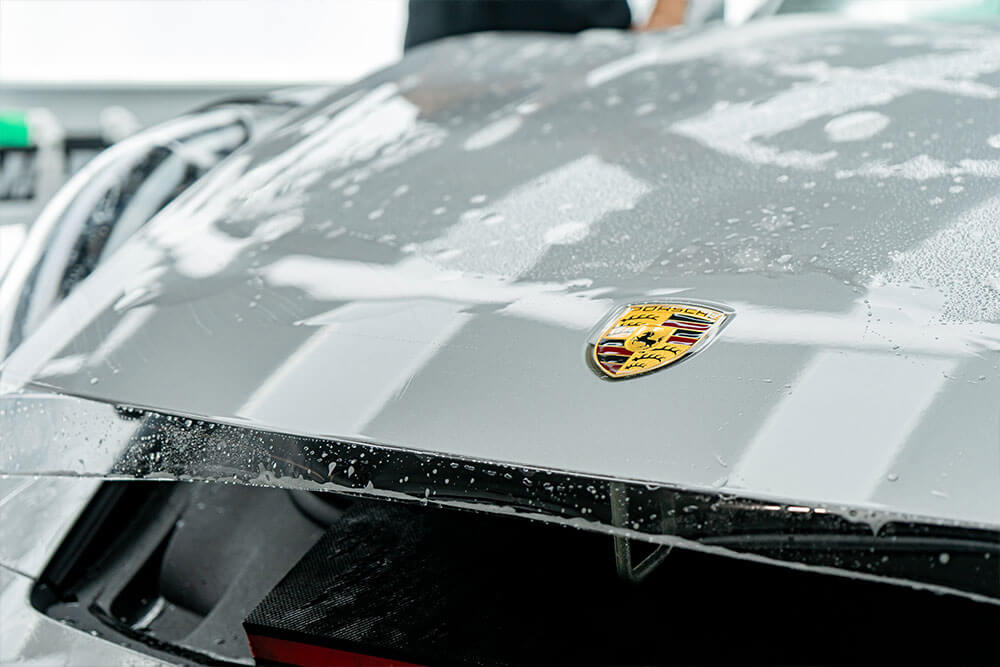
Paint oxidation is one of the most common forms of exterior deterioration seen in vehicles exposed to intense sunlight and harsh environmental conditions. In Dubai, where high temperatures and strong ultraviolet radiation are present throughout the year, oxidation becomes a gradual but inevitable process if paint surfaces are not properly protected and maintained.
Understanding how oxidation develops and how to identify early signs helps vehicle owners take corrective action before permanent damage occurs.
What paint oxidation actually is
Paint oxidation is a chemical reaction that occurs when oxygen interacts with the outer layers of automotive paint over time. This process is accelerated by ultraviolet radiation and heat exposure. The protective elements within the paint system begin to break down, causing the surface to lose its original gloss and smoothness.
Modern automotive paint systems include a clear coat designed to slow this process. However, constant exposure to extreme environmental conditions eventually reduces its effectiveness.
Early signs of oxidation
Oxidation does not appear suddenly. It develops gradually and can be identified through several early indicators. One of the first signs is a noticeable reduction in gloss. The paint begins to look dull even after washing.
As the process continues, the surface may start to feel slightly rough or chalky when touched. In some cases, the color may appear faded or uneven under direct sunlight. These early signs indicate that the protective clear coat layer is weakening.
If left untreated, oxidation progresses to more visible damage such as surface hazing, patchy discoloration, and loss of depth in paint color.
Why Dubai conditions accelerate oxidation
The climate in Dubai plays a major role in speeding up oxidation. Continuous exposure to intense sunlight increases ultraviolet radiation impact on the paint surface. High ambient temperatures further accelerate chemical breakdown within the clear coat.
Dust and sand particles in the environment also contribute by acting as micro abrasives during cleaning or wind exposure. When combined with heat and UV exposure, these factors significantly reduce the lifespan of exterior paint protection.
Impact on vehicle appearance and value
Oxidation primarily affects appearance, but it also influences long term vehicle value. A dull or faded exterior reduces visual appeal and can impact resale perception. Even well maintained mechanical condition may not compensate for poor exterior condition in many cases.
This makes early detection and treatment an important part of vehicle care in high exposure environments.
Treatment methods for oxidation
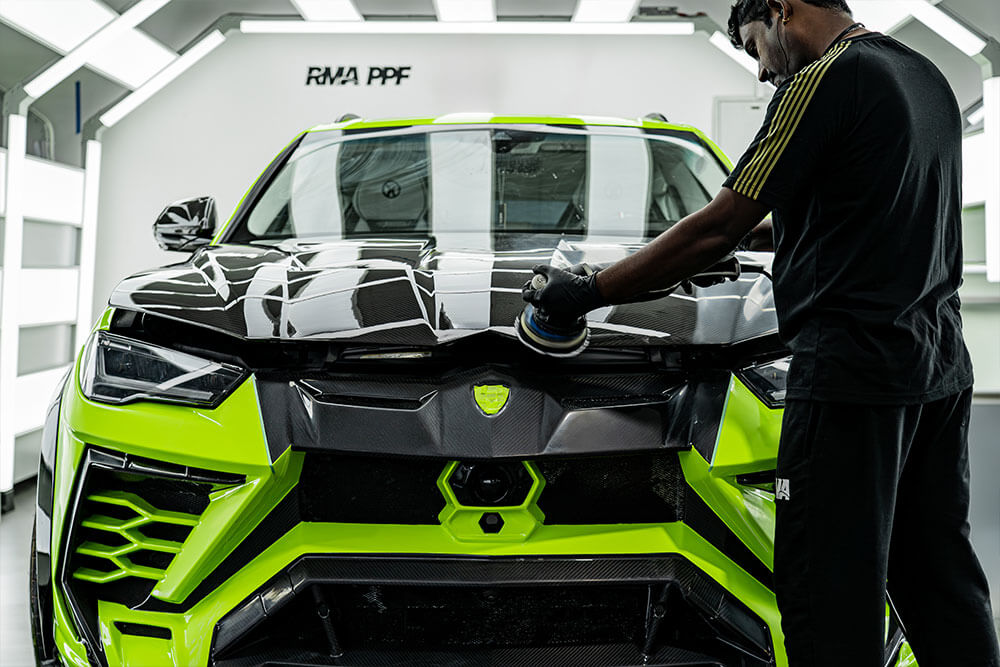
The level of treatment required depends on how advanced the oxidation is. Light oxidation can often be corrected through professional polishing techniques that remove the affected surface layer and restore gloss.
Moderate cases may require multi stage paint correction processes to restore clarity and depth. Severe oxidation, where clear coat damage is extensive, may require repainting of affected panels.
Regular detailing helps prevent oxidation from reaching advanced stages by maintaining surface protection and removing contaminants that contribute to degradation.
Role of protective measures
Preventing oxidation is more effective than treating it after it occurs. Protective coatings such as wax, sealants, or ceramic based solutions create a barrier between the paint and environmental elements. These layers reduce direct exposure to oxygen, UV radiation, and contaminants.
In advanced automotive care systems, high quality protective materials such as shogun PPF are also used to provide long term surface protection by physically shielding paint from environmental stress.
Importance of professional detailing care
Professional detailing services play a key role in identifying oxidation at an early stage. Experienced technicians can assess paint condition and recommend appropriate correction or protection strategies based on severity.

Get In Touch
Stay Connected For Ultimate Car Care
 sales@rmappf.ae