

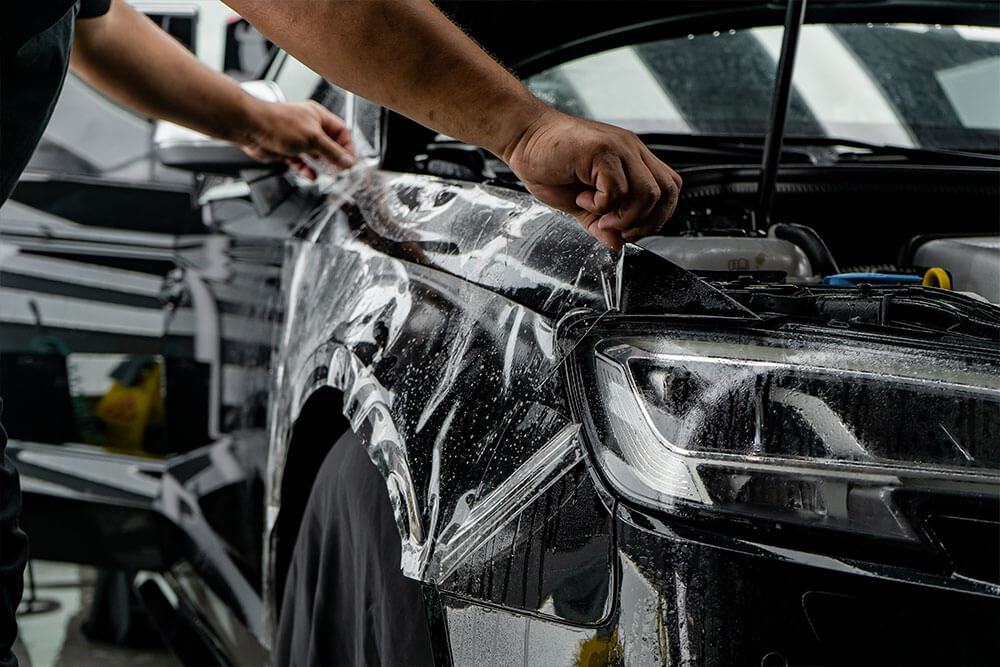
The performance of paint protection film is often judged by its surface clarity and resistance to damage, but one of its most critical components remains hidden beneath the surface. The adhesive layer is what allows the film to bond securely to the vehicle while maintaining removability when required. Among the different adhesive systems used in automotive films, pressure sensitive adhesive technology is the most widely adopted in modern paint protection film.
What pressure sensitive adhesive means
Pressure sensitive adhesive is a type of bonding system that activates through applied pressure rather than heat or chemical curing. When the film is positioned on a vehicle surface and pressure is applied during installation, the adhesive forms a consistent bond with the paint. This allows the film to adhere smoothly without requiring additional curing agents or complex activation processes.
The key characteristic of this adhesive system is its balance between grip and flexibility. It must hold firmly under environmental stress while still allowing controlled repositioning during installation.
How the adhesive bonds to vehicle paint
When paint protection film is applied, the adhesive layer creates contact at a microscopic level with the clear coat of the vehicle. Once pressure is applied using professional tools, the adhesive spreads evenly across the surface, filling minor texture variations and forming a uniform bond.
This process is sensitive to cleanliness and preparation. Any dust, moisture, or residue on the paint surface can interfere with proper adhesion and create visible imperfections or weak bonding points.
Importance of controlled tack behavior
Pressure sensitive adhesives are designed with a specific level of initial tack. This means the film can be positioned carefully before full bonding occurs. Installers can adjust alignment, remove trapped air, and ensure proper placement before applying final pressure.
This controlled behavior is essential when working with complex vehicle panels, sharp curves, and intricate edges. Without it, precise installation would be significantly more difficult.
Long term adhesive performance
Once fully bonded, the adhesive layer must withstand heat, UV exposure, moisture, and daily washing conditions. High quality adhesives maintain stability over time without breaking down or leaving residue during removal.
In high temperature environments such as Dubai, thermal cycling becomes an important factor. Vehicles experience rapid temperature changes between shaded parking areas and direct sunlight. A stable adhesive system must expand and contract without losing grip or creating edge lifting.
A premium example of a system designed for consistent performance is shogun PPF which integrates advanced adhesive technology to maintain long term stability under demanding environmental conditions.
Role of installation precision
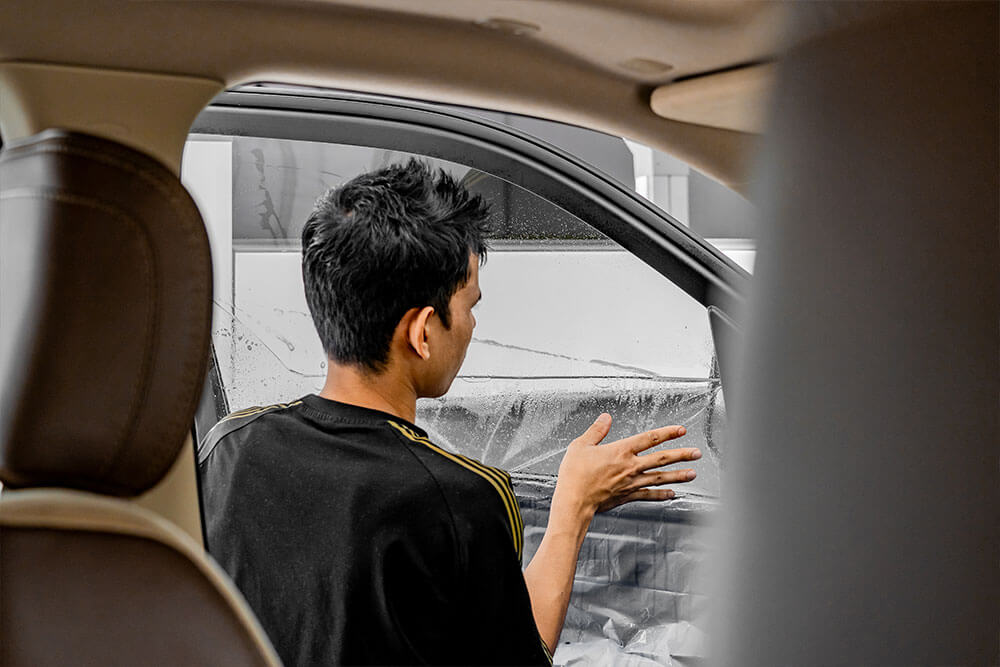
Even the most advanced adhesive technology depends heavily on installation quality. Surface preparation, application technique, and curing time all influence how effectively the adhesive performs. Incorrect handling can lead to trapped air, visible lines, or premature lifting.
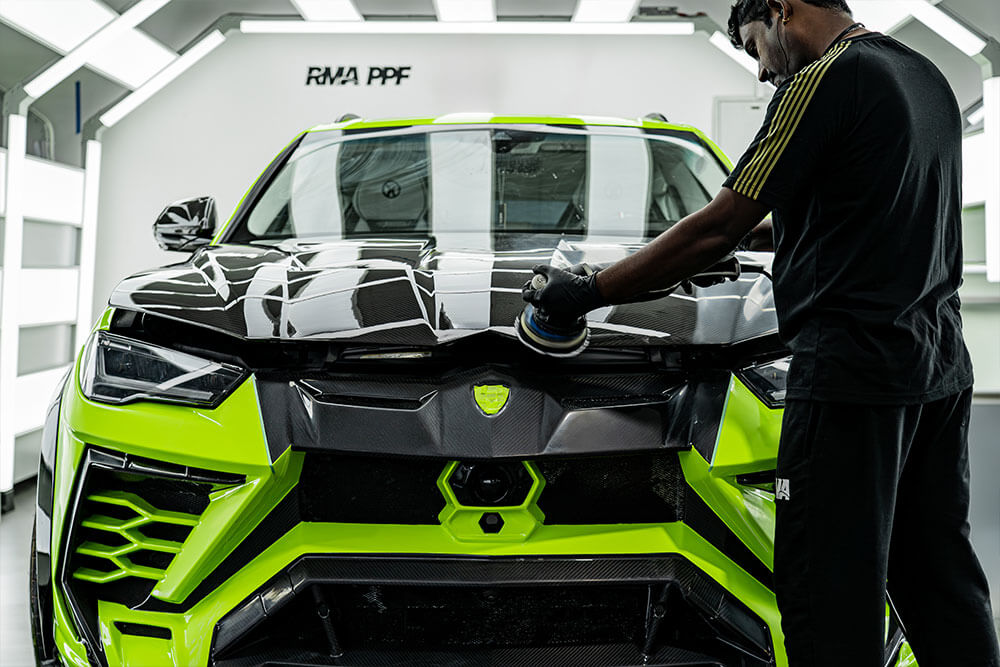
Experienced installers understand how to apply consistent pressure across different panel shapes to ensure even bonding. In Dubai, professional studios such as RMA PPF apply structured installation methods to ensure that adhesive performance remains stable across luxury and performance vehicles.
Technical insight for vehicle owners
Pressure sensitive adhesive technology allows paint protection film to combine strong bonding with controlled installation flexibility. It is designed to maintain long term adhesion while adapting to vehicle surfaces without damaging factory paint during removal.
Understanding this system helps vehicle owners recognize that PPF performance is not only about the visible film layer but also about the chemistry beneath it. When adhesive quality, film engineering, and installation precision align, the result is a stable protective layer that performs consistently over time.

Get In Touch
Stay Connected For Ultimate Car Care
 sales@rmappf.ae