

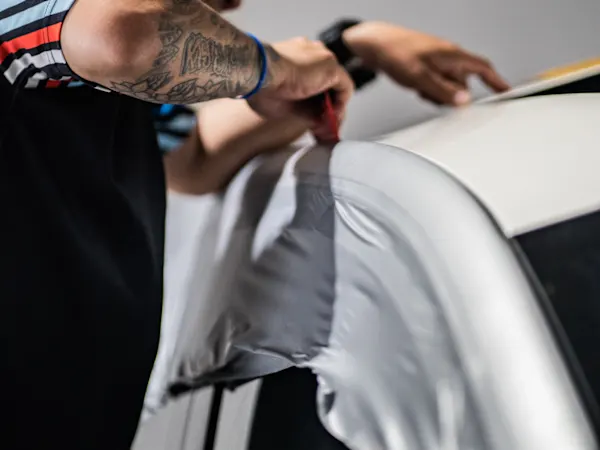
Self healing technology in paint protection film has become one of the most important developments in modern automotive surface protection. It is designed to reduce the visibility of light scratches and swirl marks that naturally occur during washing, drying, and everyday driving. In regions like Dubai where heat levels are consistently high, this feature becomes even more relevant because temperature plays a direct role in how the film responds over time.
Understanding the self healing layer
Paint protection film is made of multiple layers, each serving a specific function. The outermost layer is an elastomeric top coat designed to respond to heat. When light surface marks form on the film, they remain within this flexible layer rather than reaching the paint underneath.
When heat is applied, either from direct sunlight or controlled warmth, the material softens at a microscopic level. This allows minor abrasions to gradually disappear as the surface returns to its original smooth condition. The process does not involve chemical repair or external treatment. It is a physical reaction within the film structure.
Dubai’s climate
Dubai’s climate naturally supports the activation of self healing properties. High daytime temperatures and strong sunlight provide consistent warmth across vehicle surfaces. This means light swirl marks and fine scratches often recover more efficiently compared to cooler environments.
However, this does not mean all damage can be corrected. Deeper cuts or impact marks from stones remain permanent. Self healing technology is specifically designed for micro level imperfections, not structural damage to the film or paint.
Material quality and performance consistency
Not all films respond to heat in the same way. Higher quality products maintain more stable elasticity and clearer optical finish over time. Inferior materials may show inconsistent healing behavior or lose clarity after prolonged exposure to heat.
A premium example is shogun PPF which is designed to maintain both clarity and functional response under varying temperature conditions. In Dubai’s environment where vehicles are frequently exposed to intense sunlight, consistency of performance becomes a key factor in long term satisfaction.
Installation influence on healing performance
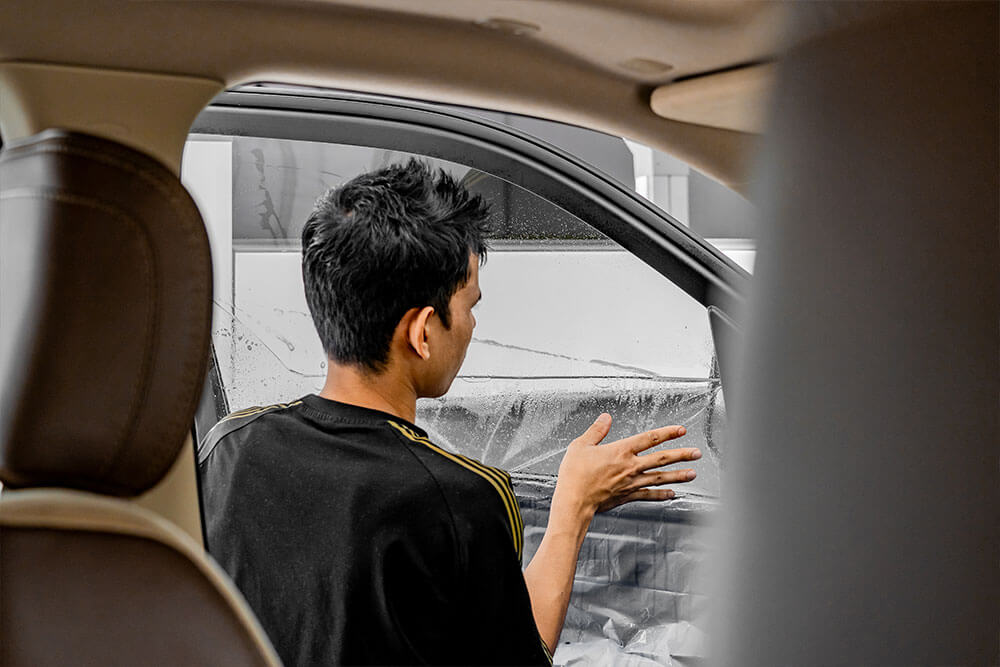
Even with advanced materials, installation quality directly affects how well self healing properties perform. Proper surface preparation ensures the film bonds evenly without trapped particles or tension points. Any installation flaws can interfere with surface uniformity, which reduces the effectiveness of heat response across panels.
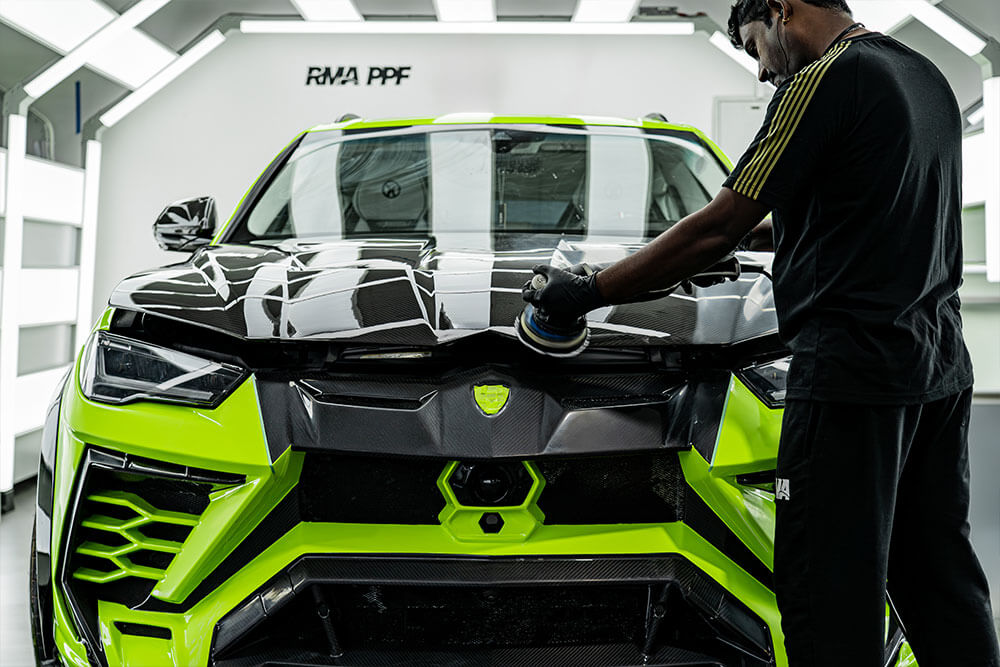
Experienced installers understand how to apply the film in a way that maintains even thickness and smooth adhesion. In Dubai, studios such as RMA PPF focus on precision application so that the film behaves consistently under real driving conditions and environmental exposure.
Real world behavior under daily use
In practical use, self healing film works gradually rather than instantly. A vehicle parked outdoors during the day may show reduced visibility of light marks by evening due to natural heat exposure. In some cases, warm water or controlled heat can accelerate the process during detailing, but routine driving conditions in Dubai often provide enough heat on their own.
It is important to note that self healing does not eliminate maintenance. Regular washing techniques still matter, as improper cleaning methods can create deeper marks that exceed the film’s recovery range.
Technical insight for vehicle owners
Self healing technology should be viewed as a surface maintenance system rather than a complete repair solution. It reduces visual wear from everyday contact, helping the vehicle maintain a cleaner appearance over time. When combined with high quality film and professional installation, it contributes to a more stable long term finish under demanding climate conditions.

Get In Touch
Stay Connected For Ultimate Car Care
 sales@rmappf.ae