

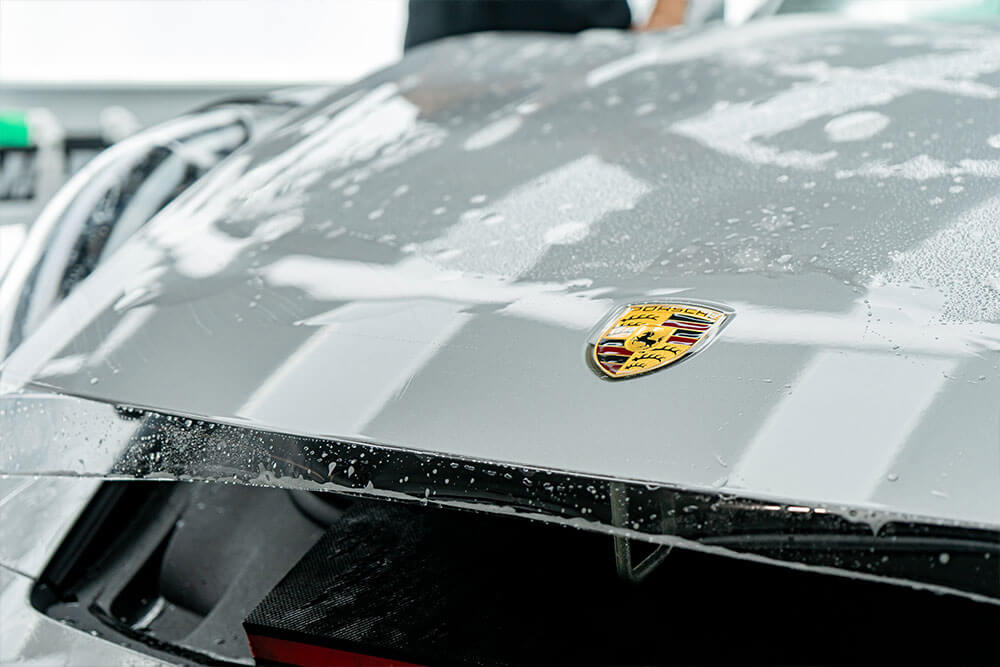
Paint correction is often misunderstood as a simple polishing service meant to improve gloss temporarily. In reality, proper paint correction is a controlled process designed to refine the condition of the vehicle’s clear coat by reducing surface imperfections and restoring clarity.
Not every vehicle, however, requires the same level of correction.
Some paint surfaces respond well after a single refining step, while others require multiple stages to safely remove deeper defects and restore reflection quality properly. Understanding the difference between single stage and multi-stage correction helps owners make better decisions about the condition of their vehicles and the level of work actually required.
What Is Single Stage Paint Correction?
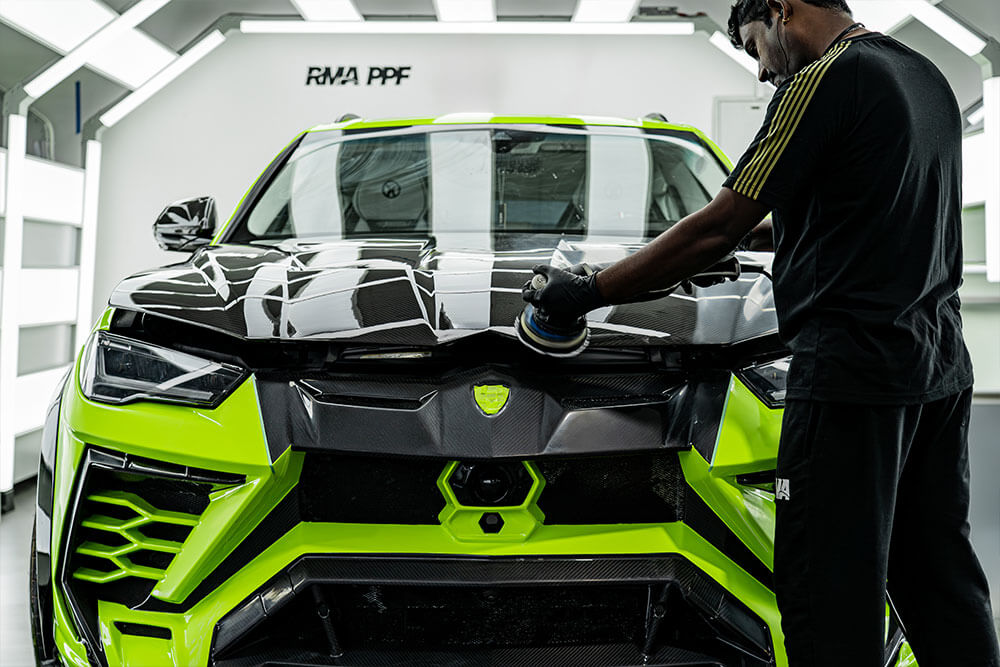
Single stage correction involves one polishing step using a machine polisher, polishing pad, and compound or polish designed to improve the surface in a single process.
The goal is usually to reduce:
- Light swirl marks
- Minor oxidation
- Faint wash marks
- Surface haze
- Mild micro-marring
This approach improves gloss and paint clarity while removing a noticeable percentage of surface imperfections without becoming overly aggressive.
For many daily-driven vehicles, especially those already maintained carefully, single stage correction provides a strong balance between improvement and paint preservation.
Within the car detailing Dubai industry, single stage correction is commonly recommended for vehicles with relatively healthy paint that simply lost sharpness over time.
Multi-Stage Correction Targets Heavier Defects
Multi-stage correction involves multiple polishing steps performed separately to address deeper paint imperfections more safely and effectively.
The first stage usually focuses on defect removal using more aggressive compounds and cutting pads. Additional stages then refine the finish to restore clarity, gloss, and reflection consistency.
This process is often necessary for vehicles affected by:
- Heavy swirl marks
- Improper polishing damage
- Deep wash marring
- Oxidation
- Water spot etching
- Poor dealership preparation work
At RMA PPF, many luxury vehicles arrive with paint conditions that require careful multi-stage refinement because years of improper washing and rushed polishing gradually affected the clear coat.
More Stages Do Not Always Mean Better Results
One common misconception is that more polishing automatically produces better paint.
In reality, every correction stage removes a small amount of clear coat. Proper detailing is not about polishing the paint aggressively. It is about improving the surface while preserving as much paint thickness as possible.
Experienced detailers evaluate:
- Paint condition
- Defect depth
- Paint hardness
- Previous correction history
- Surface thickness
- Owner expectations
before deciding how aggressive the correction process should be.
For owners researching detailing in Dubai, this distinction matters because overly aggressive correction can permanently reduce long-term paint durability.
Dubai Conditions Accelerate Surface Wear
Dubai’s environment places constant stress on automotive paint. Heat, airborne dust, improper washing methods, and hard water exposure slowly reduce surface clarity over time.
Dark-colored luxury vehicles often reveal paint defects more aggressively because sunlight exposes every imperfection across the surface.
Many owners only notice the true condition of their paint once the vehicle enters proper lighting during professional inspection.
This is one reason the best car detailing dubai specialists focus heavily on lighting analysis and paint evaluation before beginning correction work.
Paint Correction Is About Refinement, Not Just Gloss
A properly corrected vehicle should not only appear glossy indoors. The paint should maintain clean reflections, sharp clarity, and smooth surface consistency under sunlight as well.
At RMA PPF, correction work is approached carefully because luxury and performance vehicles often carry sensitive paint systems that require precision rather than aggressive polishing.
The objective is not simply making the car look shiny for delivery photos. Long-term paint condition matters just as much as immediate appearance.
Choosing the Right Correction Depends on the Vehicle
Some vehicles need only light refinement to restore depth and clarity. Others require multiple polishing stages to safely correct years of accumulated damage.
For owners investing in luxury car detailing in Dubai, understanding the difference between single stage and multi-stage correction helps create realistic expectations about what proper paint restoration actually involves.
The finest paint finishes are rarely the result of excessive polishing. More often, they come from careful correction paired with disciplined long-term maintenance afterward.


Get In Touch
Stay Connected For Ultimate Car Care
 sales@rmappf.ae