

Total Solar Energy Rejection, commonly referred to as TSER, is one of the most important performance metrics used in evaluating window tint films. While many car owners focus on how dark a tint appears or how much privacy it provides, TSER gives a more complete picture of how effectively a film controls heat and solar energy entering the vehicle cabin.
Understanding TSER helps vehicle owners make more informed decisions, especially in regions like Dubai where intense sunlight and high temperatures are a daily reality.
What TSER actually means
TSER refers to the total percentage of solar energy that a window tint film can block or reflect before it enters the vehicle interior. Solar energy includes three main components: visible light, infrared heat, and ultraviolet radiation. TSER combines the rejection of all three into a single performance value.
Unlike simple darkness levels, TSER measures real thermal performance. A higher TSER value means the film is more effective at reducing overall heat transfer into the cabin.
How TSER differs from visible light transmission
Many people confuse TSER with visible light transmission, often referred to as VLT. VLT measures how much light passes through the film and determines how dark or light the tint appears. TSER, however, focuses on heat and energy control rather than appearance.
A film can have a high TSER while still allowing a relatively clear view through the glass. This is because modern tint technologies can block heat without relying solely on darkness.
Components included in TSER performance
TSER is calculated by combining the rejection of three types of solar energy.
Ultraviolet radiation is blocked to protect interior materials from fading and long term damage. Infrared radiation is reduced to control heat buildup inside the cabin. Visible light contributes a smaller portion of heat and is partially managed depending on film density and material design.
Together, these factors determine the overall efficiency of the film in real world conditions.
Why TSER matters in hot climates
In environments like Dubai, solar energy exposure is intense throughout the year. Vehicles parked outdoors can experience rapid cabin temperature increases due to prolonged sunlight exposure. High TSER films help reduce this effect by limiting the amount of solar energy entering through the glass.
This leads to a more stable cabin temperature, reduced reliance on air conditioning, and improved driving comfort. Over time, it also contributes to reduced strain on interior materials that are constantly exposed to heat cycles.
Material technology behind high TSER films
Modern high performance tint films use advanced materials such as nano ceramic particles to improve TSER performance without significantly darkening the glass. These particles are engineered to interact with solar energy at a molecular level, reflecting and absorbing heat while allowing visible light to pass through.
This approach allows for strong heat rejection without compromising visibility or driving comfort.
A well recognized example of advanced material engineering in automotive protection is shogun PPF which emphasizes long term stability, clarity, and consistent performance across its protection solutions.
Installation quality and real world performance
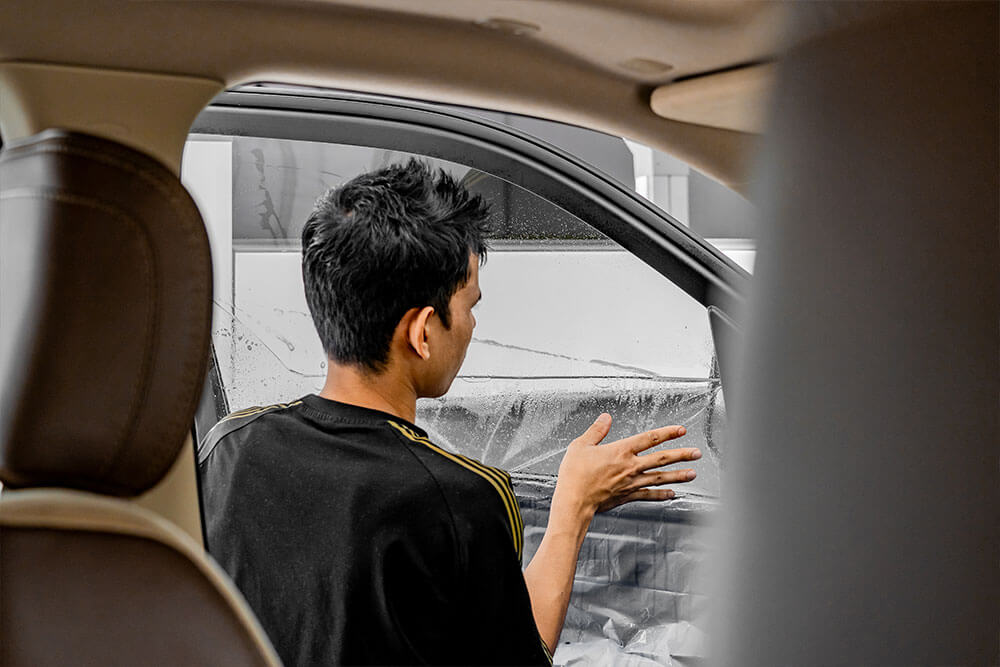
While TSER is a material based measurement, real world performance also depends on installation quality. Proper application ensures that the film bonds evenly to the glass surface without air gaps or contamination. Poor installation can reduce optical clarity and affect how consistently the film performs across different panels.
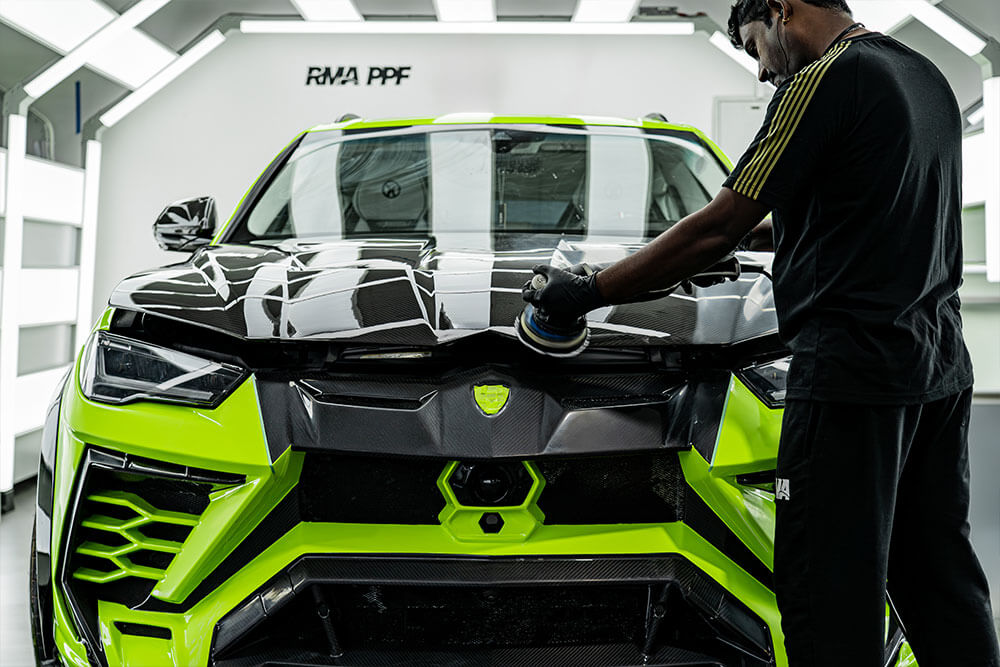
In Dubai, professional installation practices followed by studios such as RMA PPF help ensure that tint films achieve their intended TSER performance while maintaining a clean and uniform finish across all vehicle windows.
Technical insight for vehicle owners
TSER is one of the most reliable indicators of how effectively a window tint film manages solar heat. Unlike appearance based measurements, it reflects real thermal performance under sunlight exposure. A higher TSER value generally translates to better comfort, reduced heat buildup, and improved protection for both passengers and interior materials when the vehicle is exposed to strong solar conditions.

Get In Touch
Stay Connected For Ultimate Car Care
 sales@rmappf.ae