

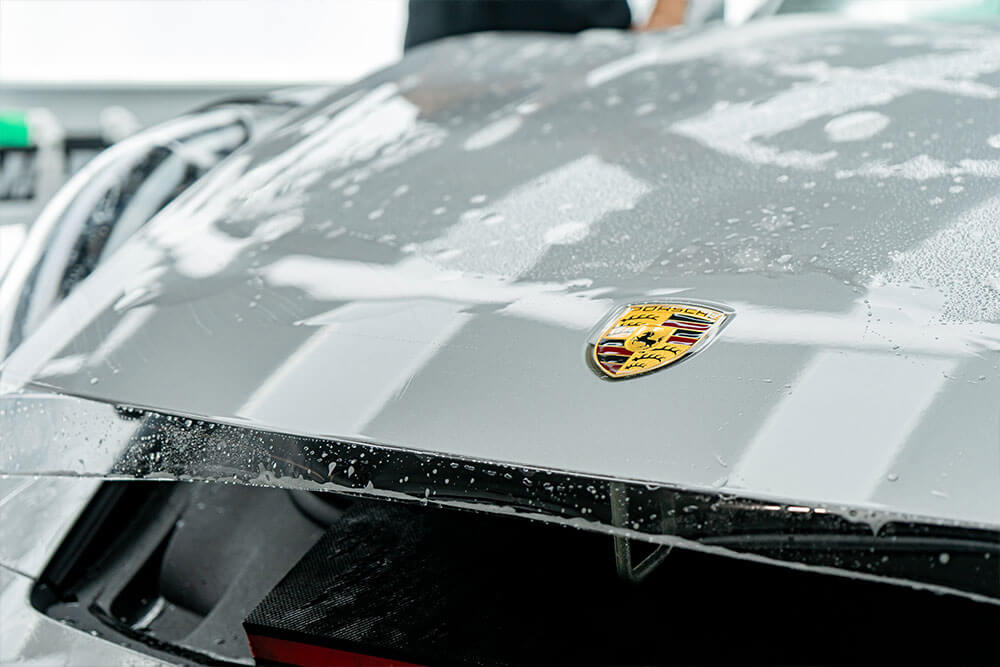
UV radiation is one of the most influential environmental factors affecting vehicle surfaces in Dubai. Constant sun exposure, high temperatures, and reflective road heat create conditions that place continuous stress on exterior materials. Paint protection film is designed to withstand these conditions, but its long term performance is closely linked to how UV exposure interacts with both the film and its adhesive layer.
UV exposure in a high intensity climate
Dubai experiences prolonged sunlight throughout the year with strong ultraviolet intensity during peak hours. This level of exposure accelerates surface aging on unprotected paint and can also test the stability of protective films over time. While modern paint protection film is engineered for UV resistance, the environment still plays a role in how it performs across extended periods.
UV radiation primarily affects two areas of the film system. The top surface layer and the adhesive layer beneath it. Each responds differently depending on material quality and installation conditions.
Impact on film surface stability
The outer layer of paint protection film is designed to resist discoloration and maintain clarity under sunlight. High quality films include UV stabilizers that help prevent yellowing and surface breakdown. However, lower grade materials may begin to show signs of fading or cloudiness after prolonged exposure.
In a city like Dubai where vehicles are frequently parked outdoors, surface stability becomes a key factor in long term appearance. A film that maintains optical clarity under strong UV exposure ensures that the original paint color remains visually consistent.
A well engineered example is shogun PPF which is designed to retain clarity and structural stability under continuous environmental stress, including high UV intensity.
Adhesion layer behavior under heat and UV
The adhesive layer is responsible for bonding the film to the vehicle surface. UV radiation does not directly penetrate paint layers in a short time frame, but the heat generated from prolonged sun exposure affects how adhesives age over time.
High temperatures can influence adhesive flexibility, especially when combined with dust and frequent washing cycles. Quality adhesives are formulated to maintain consistent bonding strength even under repeated thermal expansion and contraction cycles.
Poor quality adhesives may weaken over time, leading to edge lifting, bubbling, or reduced grip on complex curves. These issues are often more visible in regions with intense sunlight and high surface temperatures.
Role of installation in UV resistance performance
Proper installation plays a significant role in how well paint protection film handles UV exposure. Clean surface preparation, correct curing time, and controlled application ensure that the adhesive bonds evenly across the panel.
Any contamination during installation such as dust or moisture can create weak points that become more noticeable under long term heat exposure. In Dubai, professional application standards are essential to maintain durability under environmental pressure.
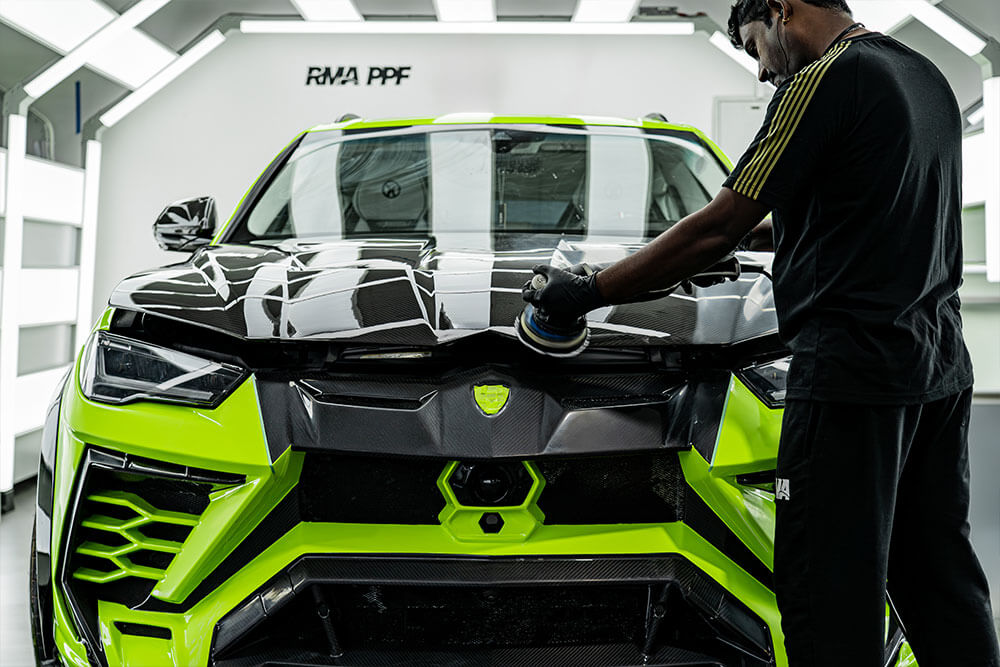
Studios such as RMA PPF apply structured installation methods to ensure consistent adhesion and reduce the risk of premature lifting or surface irregularities caused by environmental conditions.
Long term performance considerations
Over time, UV exposure gradually tests the balance between film flexibility and adhesive strength. High quality paint protection film is designed to maintain this balance for years, provided installation and maintenance standards are met.
Regular washing with proper techniques also helps preserve surface condition. Accumulated contaminants such as dust and chemical residue can amplify heat retention on the surface, indirectly affecting long term appearance and bond stability.
Technical insight for vehicle owners
In Dubai’s environment, UV radiation is not a single point concern but a continuous factor that influences both appearance and durability. The effectiveness of paint protection film depends on how well it resists surface degradation while maintaining strong adhesion under repeated heat cycles.
When material quality, adhesive engineering, and installation precision align, paint protection film continues to perform reliably even under sustained UV exposure, supporting long term vehicle protection and consistent exterior finish.


Get In Touch
Stay Connected For Ultimate Car Care
 sales@rmappf.ae