

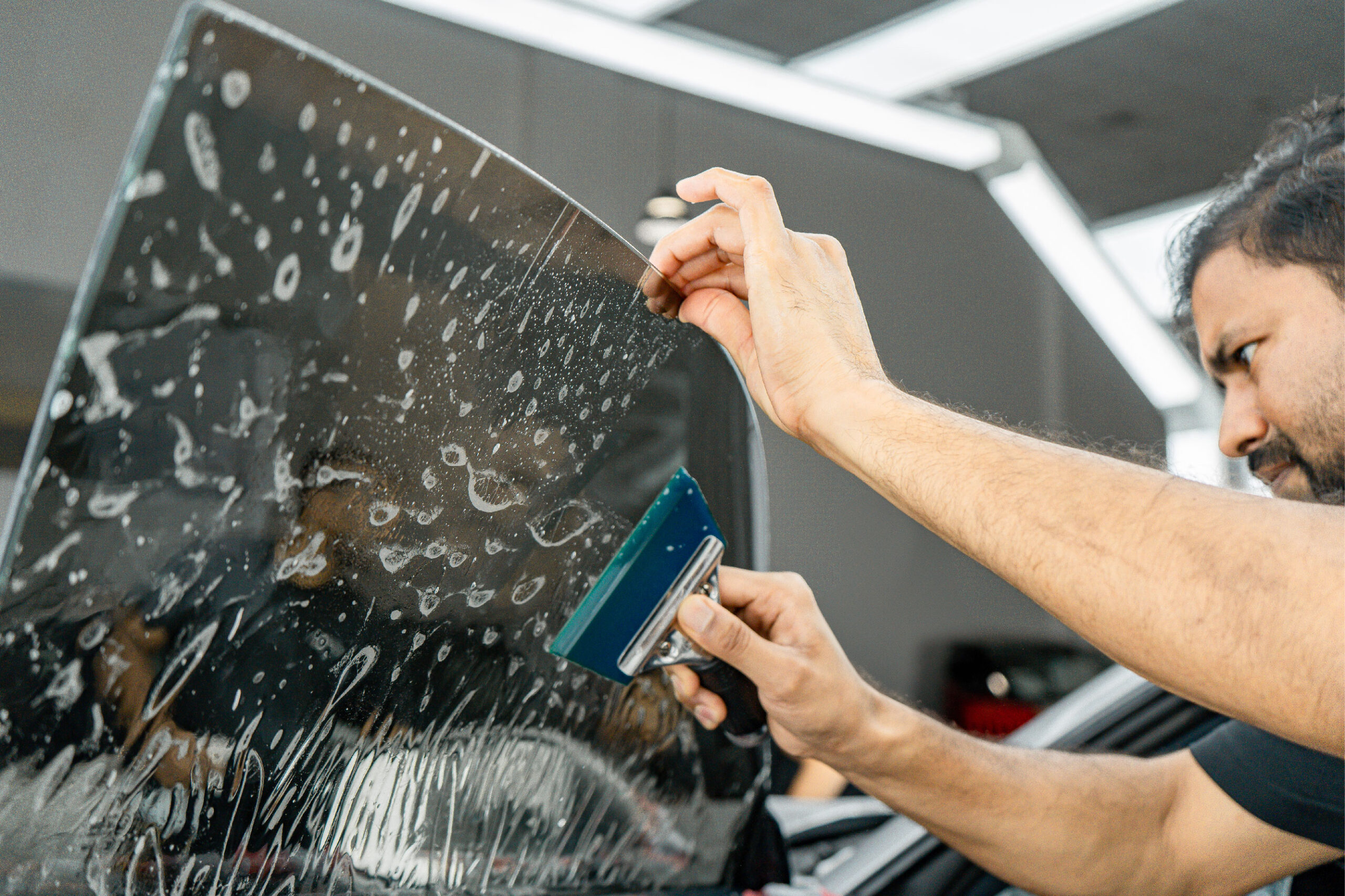
Delamination in window tint refers to the separation of layers within the film structure. It is one of the most noticeable forms of tint failure because it directly affects appearance, clarity, and overall performance. Instead of remaining a single uniform layer, the film begins to split internally, often resulting in cloudiness, bubbling, or visible distortion.
Understanding why delamination occurs and how to prevent it is essential for maintaining long term window tint performance, especially in regions like Dubai where heat and sunlight exposure are constant.
What delamination actually means
Window tint is made up of multiple layers including a protective top coat, a dyed or functional middle layer, and an adhesive layer that bonds the film to the glass. Delamination occurs when these layers lose structural integrity and begin to separate from one another.
This separation affects how light passes through the film and can significantly reduce visual clarity. In advanced stages, the film may appear patchy or uneven, especially when viewed under direct sunlight.
Main causes of delamination
One of the most common causes of delamination is prolonged exposure to heat and ultraviolet radiation. Over time, constant thermal stress can weaken the bonds between layers, especially if the film is not designed for high temperature environments.
Low quality materials are more vulnerable because they often lack stable bonding agents and UV resistant coatings. When exposed to strong sunlight, the internal structure begins to degrade gradually.
Improper installation is another contributing factor. If moisture or air is trapped during application, it can create weak points that expand over time. These areas become starting points for separation as heat and humidity cycle through daily conditions.
Aggressive cleaning practices can also accelerate delamination. Strong chemicals or abrasive tools may damage the top layer, allowing moisture to penetrate deeper into the film structure.
Environmental impact in Dubai conditions
In Dubai, vehicles are regularly exposed to extreme sunlight and high surface temperatures. This creates a challenging environment for any automotive film. Repeated heating during the day and cooling at night leads to continuous expansion and contraction within the material.
Over time, this cycle can stress weaker films and increase the likelihood of delamination if the material is not engineered for such conditions.
Material quality and resistance to separation
High quality window tint films are designed with stable bonding layers and UV resistant materials that reduce the risk of internal separation. These films maintain structural integrity even under prolonged heat exposure.
A strong example of advanced material engineering in automotive protection systems is shogun PPF which emphasizes long term stability and consistent performance under demanding environmental conditions.
While no film is completely immune to aging, better engineered materials significantly slow down the delamination process and maintain clarity for a longer period.
Importance of installation precision
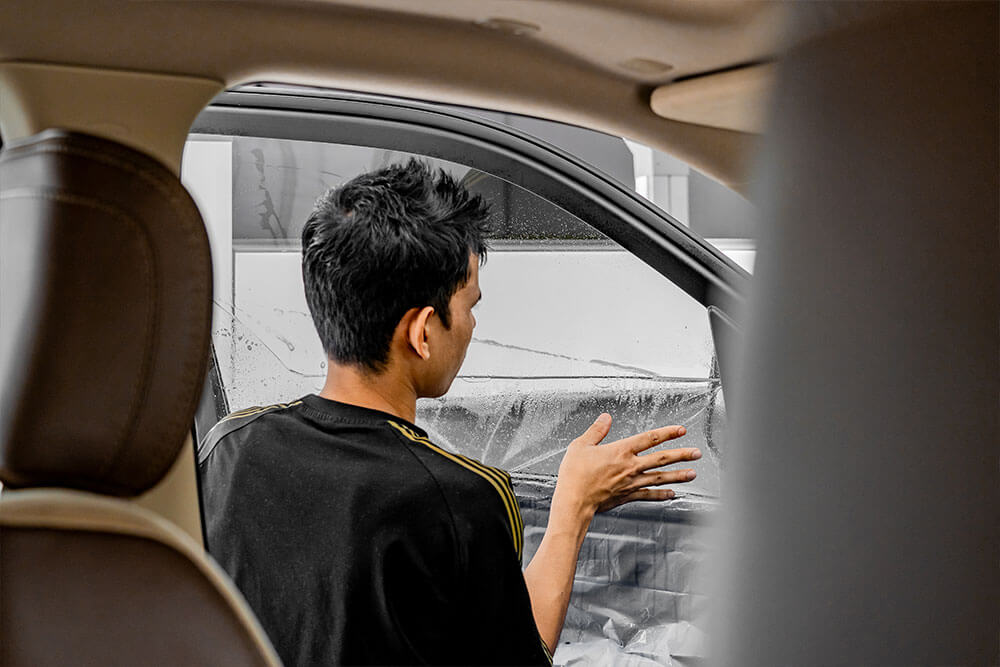
Installation quality plays a major role in preventing early delamination. Proper surface preparation ensures that the adhesive layer bonds evenly to the glass without contamination. Any trapped dust, moisture, or residue can weaken the bond and create points of separation.
Professional installers also ensure correct curing time after installation, allowing the adhesive to settle properly before the vehicle is exposed to stress conditions.
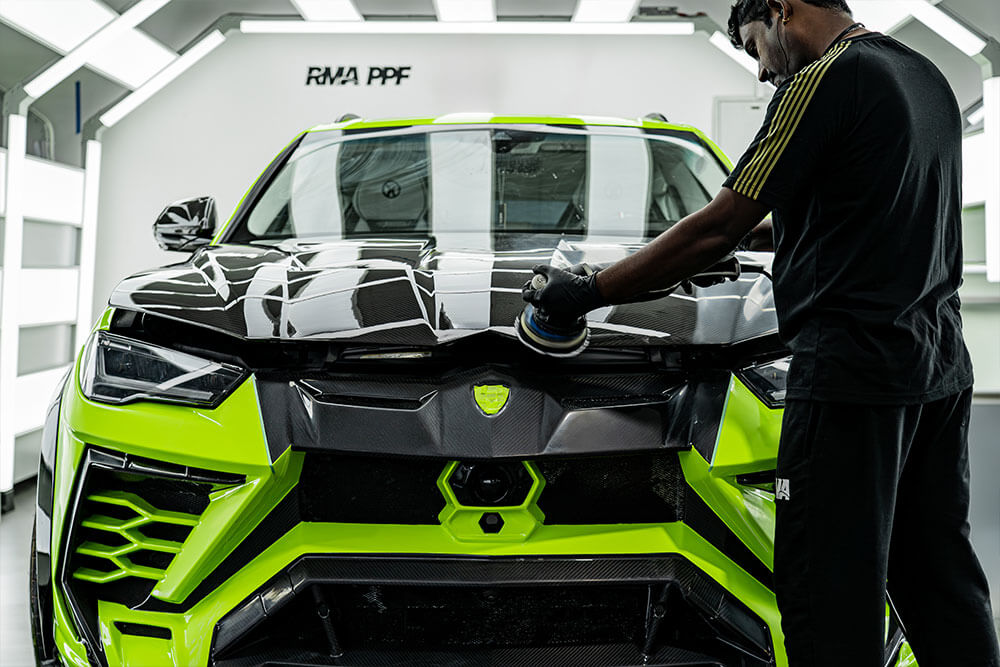
In Dubai, experienced studios such as RMA PPF follow controlled installation procedures that reduce the risk of early failure and ensure consistent film performance across all windows.
Maintenance and long term performance
Proper maintenance is essential for extending the lifespan of window tint. Using mild cleaning solutions and soft microfiber materials helps preserve the top layer and prevent unnecessary stress on the film structure.
Avoiding harsh chemicals and high pressure cleaning near window edges also reduces the risk of moisture penetration, which can contribute to delamination over time.
Technical insight for vehicle owners
Delamination is a gradual process influenced by material quality, environmental exposure, installation precision, and maintenance habits. While it cannot always be completely avoided over very long periods, its progression can be significantly controlled through the use of high quality films and professional application methods. When these factors align, window tint maintains its clarity, stability, and performance even under demanding climate conditions.

Get In Touch
Stay Connected For Ultimate Car Care
 sales@rmappf.ae