

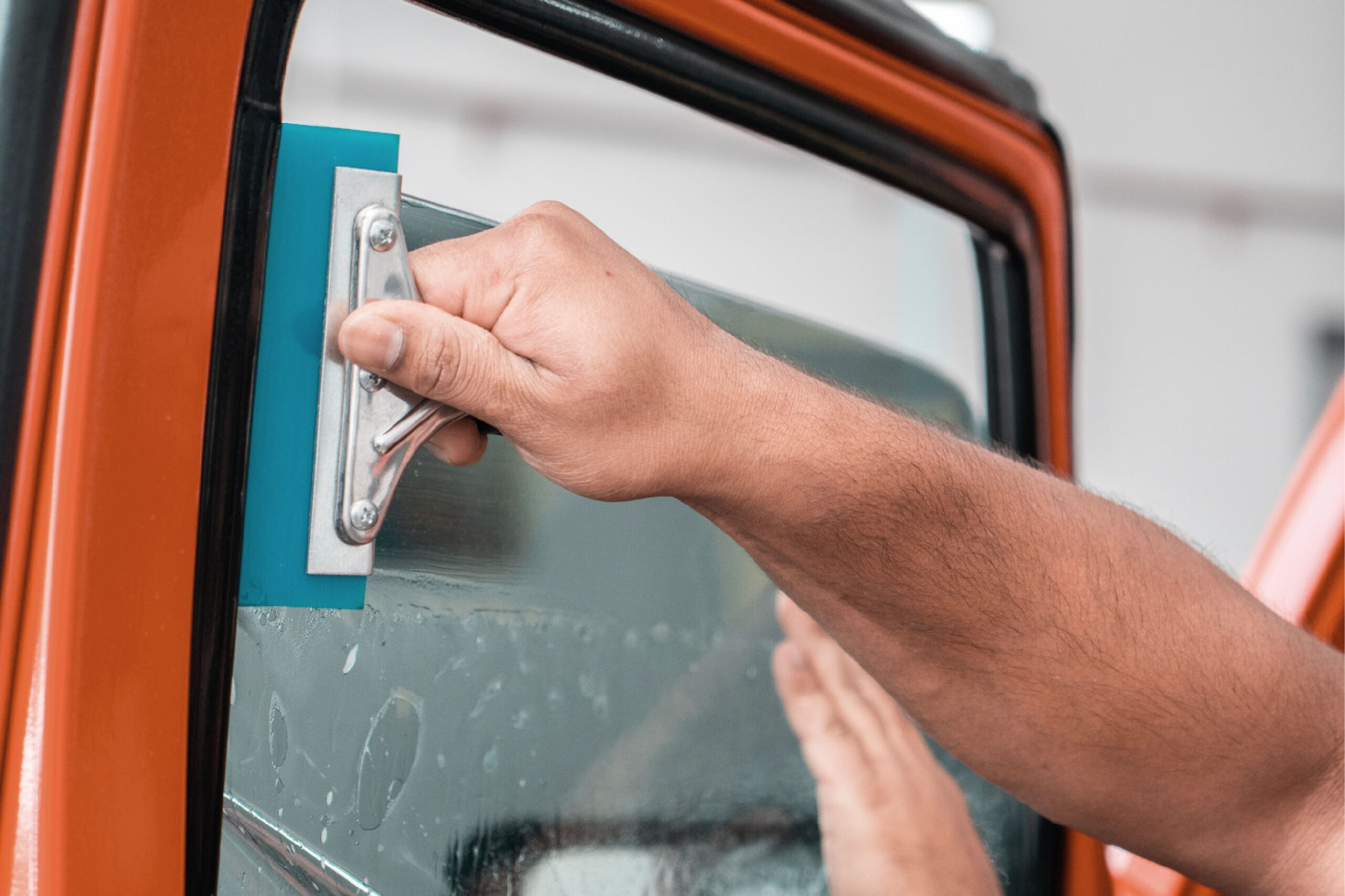
Window tint films are often viewed as a single sheet applied to glass, but in reality they are engineered using multiple functional layers. Each layer has a specific purpose that contributes to heat control, clarity, durability, and long term performance. Understanding this structure helps explain why modern window tint performs far better than older single layer alternatives.
Basic structure of window tint film
Most modern window tint films are built using a multi layer architecture. While designs may vary between manufacturers, the core structure typically includes a protective top coat, a functional middle layer, and an adhesive layer that bonds the film to the glass surface.
These layers work together as a system rather than individually. The performance of the film depends on how well each layer interacts with the others under real driving conditions.
Protective top coat layer
The outermost layer of window tint is designed to resist scratches, environmental exposure, and cleaning wear. This layer plays an important role in maintaining optical clarity over time.
It also contributes to water repellence and surface smoothness, allowing the film to maintain a clean appearance even after repeated washing. In high temperature environments like Dubai, this layer must remain stable under constant UV exposure and heat cycling.
Functional middle layer
The middle layer is responsible for the core performance of the film. Depending on the type of tint, this layer may contain dyed material, carbon particles, or advanced ceramic technology.
In dyed films, this layer primarily controls visible light reduction. In carbon films, it improves heat stability and reduces fading. In ceramic films, it contains nano engineered particles that manage infrared heat and ultraviolet radiation without significantly darkening the glass.
This layer is the main reason different tint types vary in performance, especially in terms of heat rejection and long term durability.
Adhesive layer and bonding system
The adhesive layer is what connects the film to the glass surface. Modern window tint uses pressure sensitive adhesive technology that allows controlled positioning during installation before full bonding occurs.
This layer must maintain strong adhesion under heat, moisture, and daily temperature fluctuations. At the same time, it must allow clean removal without damaging the glass when replacement is required.
A well engineered example of advanced material integration in automotive protection systems is shogun PPF which emphasizes long term stability and consistent performance across layered film structures designed for automotive applications.
How layers work together under heat
Each layer in a window tint film responds differently to environmental conditions. The top coat protects against surface wear, the middle layer manages solar energy, and the adhesive layer maintains structural bonding.
In hot climates such as Dubai, these layers are constantly exposed to thermal expansion and contraction. The ability of the film to remain stable under these conditions depends on how well the layers are engineered to work together without separation or distortion.
Importance of manufacturing quality
The consistency of multi layer construction depends heavily on manufacturing precision. Even small variations in coating thickness or material distribution can affect clarity, heat rejection, and long term durability.
High quality films are produced under controlled conditions to ensure uniform layer bonding and predictable performance across every roll. Lower quality films may show inconsistencies that become visible over time, especially under strong sunlight exposure.
Role of installation in layer performance
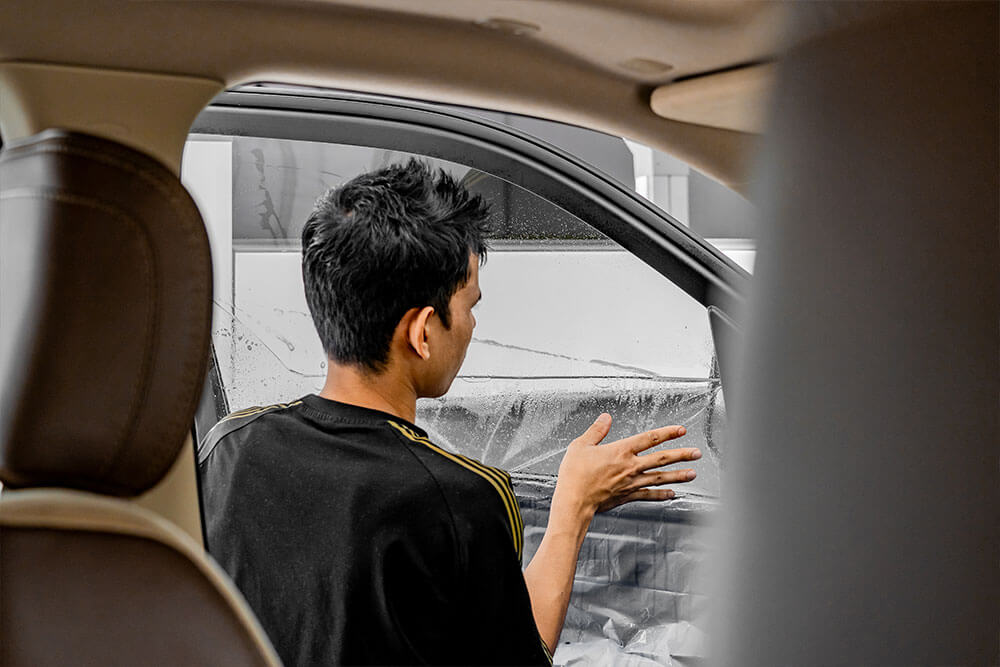
Although the film is pre-engineered, installation quality determines how effectively the layers perform in real conditions. Proper surface preparation ensures that the adhesive layer bonds evenly without contamination. Incorrect installation can create weak points that affect the stability of the entire structure.
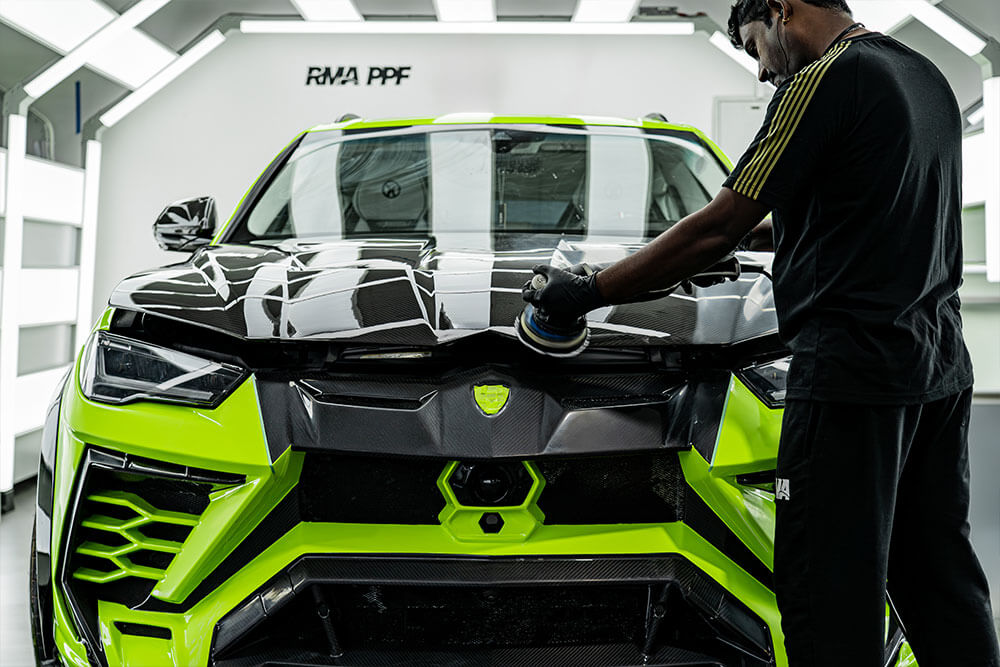
Professional installation standards, such as those followed by RMA PPF, ensure that multi layer films perform as intended across different vehicle surfaces, including curved and complex glass designs.
Technical insight for vehicle owners
The multi layer construction of window tint films is what enables them to provide heat control, UV protection, and visual clarity simultaneously. Each layer plays a distinct role, but overall performance depends on how well they function as a unified system. When properly engineered and correctly installed, these layers work together to deliver long term comfort, durability, and consistent optical performance under real driving conditions.

Get In Touch
Stay Connected For Ultimate Car Care
 sales@rmappf.ae