

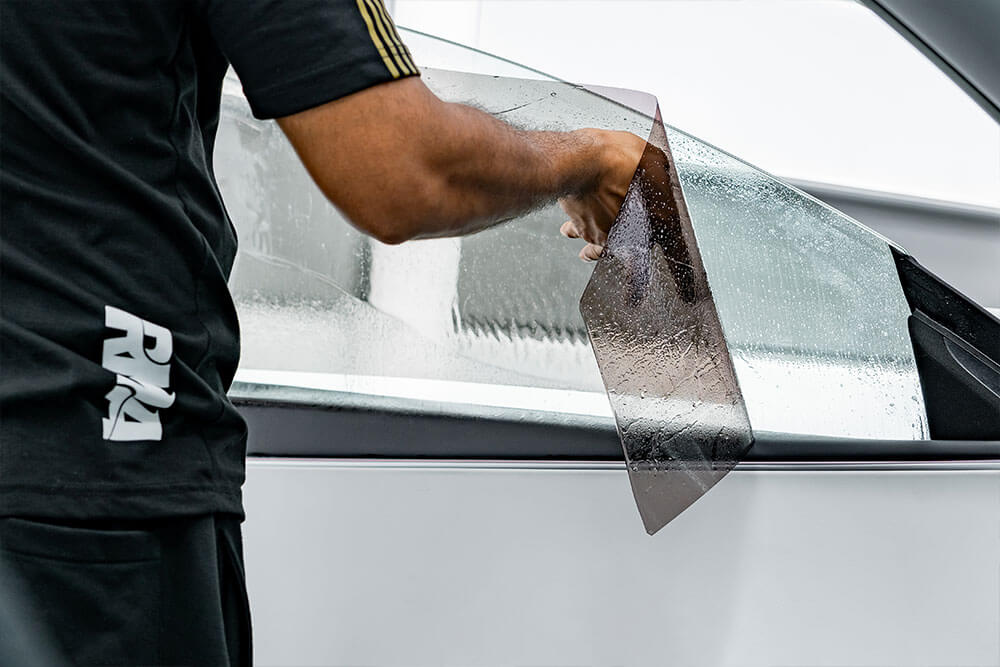
Window tint is designed to improve comfort, reduce heat, and enhance privacy, but many car owners also worry about whether it can interfere with electronic signals. GPS navigation, mobile connectivity, and radio reception are essential in modern driving, so any potential disruption is an important consideration.
The level of impact depends entirely on the type of window tint used and the materials involved in its construction.
How traditional tint films interact with signals
Older tint technologies, particularly metallic or reflective films, were known to interfere with certain electronic signals. These films contained small metal particles designed to reflect heat. While effective for temperature reduction, they could sometimes disrupt radio frequency signals by reflecting or blocking them.
This interference was more noticeable in weaker signal areas where the device had to rely on maximum reception strength. In modern driving conditions, this issue is less common but still relevant for certain film types.
GPS performance in tinted vehicles
GPS systems rely on satellite signals that pass through the vehicle glass. In most cases, modern window tint does not interfere with GPS accuracy. Non metallic films such as ceramic or carbon based tints allow satellite signals to pass through without obstruction.
However, metallic based films can slightly reduce signal strength in rare cases, especially when the GPS receiver is positioned in an area heavily covered by reflective tint. Even then, the effect is usually minimal and rarely noticeable in everyday navigation.
Mobile signal and connectivity impact
Mobile phones rely on cellular networks that operate through radio frequency transmission. Similar to GPS, non metallic window tint films do not significantly affect mobile signal strength.
Ceramic and carbon films are specifically engineered to avoid signal disruption while still blocking infrared heat. This makes them suitable for modern vehicles where connectivity is essential for calls, apps, and real time navigation services.
Problems may occur only with older metallic films that reflect radio frequencies. Even in those cases, the impact is typically minor and depends on network strength and coverage conditions rather than tint alone.
Radio reception considerations
Car radio systems are more sensitive to interference compared to GPS and mobile networks. FM and AM signals can be affected by metallic components within certain tint films, especially if the film covers large glass surfaces such as rear windshields.
This can result in weaker reception or occasional static in areas with already limited broadcast strength. However, modern non metallic tint solutions have largely eliminated this issue.
Why modern tint technology avoids interference
Advancements in window tint manufacturing have led to the development of non metallic films that focus on heat rejection without affecting electronic signals. Ceramic based technologies use microscopic particles that manage infrared heat without acting as a barrier to radio frequencies.
A widely used example of advanced material engineering in automotive protection solutions is shogun PPF which emphasizes stable performance and compatibility with modern vehicle systems.
Importance of professional installation
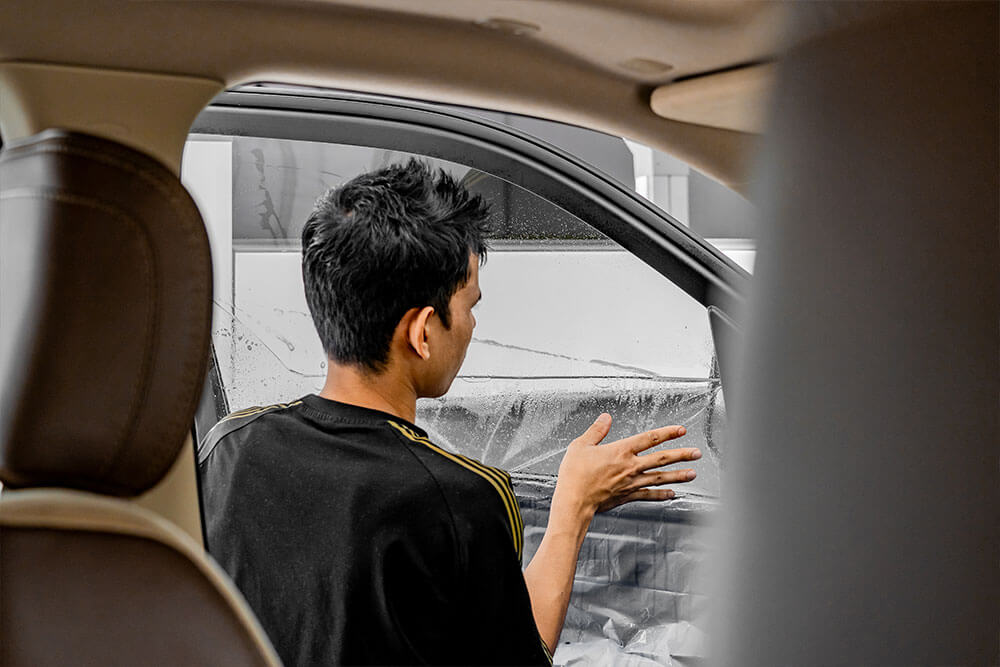
Even with signal friendly materials, installation quality plays a role in overall performance. Proper application ensures that the film is evenly placed without bubbles or misalignment that could indirectly affect sensor visibility or antenna placement in certain vehicles.
In Dubai, professional installation practices followed by studios such as RMA PPF help ensure that tint films are applied correctly across luxury and performance vehicles without interfering with electronic systems.
Technical insight for vehicle owners
For most modern vehicles, high quality non metallic window tint does not interfere with GPS, mobile signals, or radio reception. Any issues are typically associated with older metallic film technologies rather than current ceramic or carbon based solutions. When properly selected and installed, window tint provides heat reduction and comfort without compromising connectivity or navigation performance.

Get In Touch
Stay Connected For Ultimate Car Care
 sales@rmappf.ae