

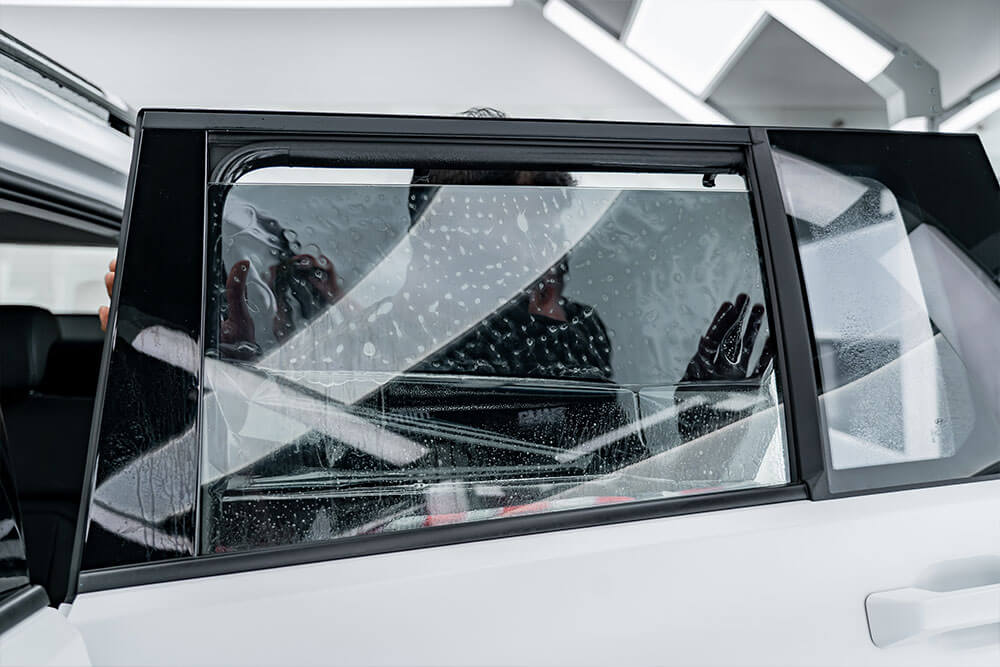
Thermal stress on automotive glass is a topic that often raises concern among vehicle owners considering window tint installation. A common belief is that tint film can cause glass to crack due to heat buildup or uneven temperature distribution. While this concern is understandable, the reality is more technical and depends on glass type, installation quality, and environmental conditions rather than the tint film itself.
Understanding thermal stress in automotive glass
Thermal stress occurs when different areas of glass expand or contract at different rates due to temperature changes. Glass naturally responds to heat by expanding slightly and contracting when cooled. If one section of the glass experiences significantly different temperatures than another, internal stress can build up.
In automotive applications, glass is designed to handle normal temperature variations. However, extreme conditions such as direct sunlight on one section of glass while another remains shaded can increase stress levels.
Does window tint cause thermal stress
A common misconception is that window tint directly causes thermal stress or glass breakage. In reality, tint films do not generate heat. They manage how solar energy passes through the glass by reducing infrared and ultraviolet radiation.
High quality tint films can actually help distribute heat more evenly across the glass surface by reducing direct solar penetration. This can reduce localized hotspots rather than create them.
Issues typically arise not from the tint itself but from existing stress points in the glass combined with external factors.
Role of glass type and factory conditions
Automotive glass is manufactured in two primary forms: tempered glass and laminated glass. Tempered glass is designed to shatter into small fragments under extreme stress, while laminated glass is constructed with an interlayer that holds the structure together.
Rear and side windows are usually tempered, making them more sensitive to pre existing micro defects. If a glass panel already contains internal stress or minor imperfections from manufacturing or installation, it may be more vulnerable to cracking under sudden temperature changes.
In such cases, tint installation is not the cause but may coincide with the timing of failure.
Environmental influence and heat exposure
In regions like Dubai, vehicles are exposed to intense sunlight and high surface temperatures. This creates rapid heating cycles, especially when one part of the glass is shaded while another is directly exposed.
Window tint helps reduce overall heat gain by filtering solar energy before it penetrates the cabin. This can actually reduce the intensity of thermal differences across the glass surface, leading to more balanced temperature distribution.
However, improper use of low quality films or incorrect installation methods can affect performance consistency, especially if air pockets or uneven application are present.
Importance of film quality
High quality window tint films are engineered to maintain stable thermal performance without causing irregular heat patterns. Advanced materials such as nano ceramic technology help manage solar energy efficiently while preserving optical clarity.
A well developed example of advanced automotive protection material systems is shogun PPF which focuses on long term stability and consistent performance under high temperature conditions.
These types of films are designed to work with automotive glass rather than against it, supporting balanced heat management.
Installation quality and stress distribution
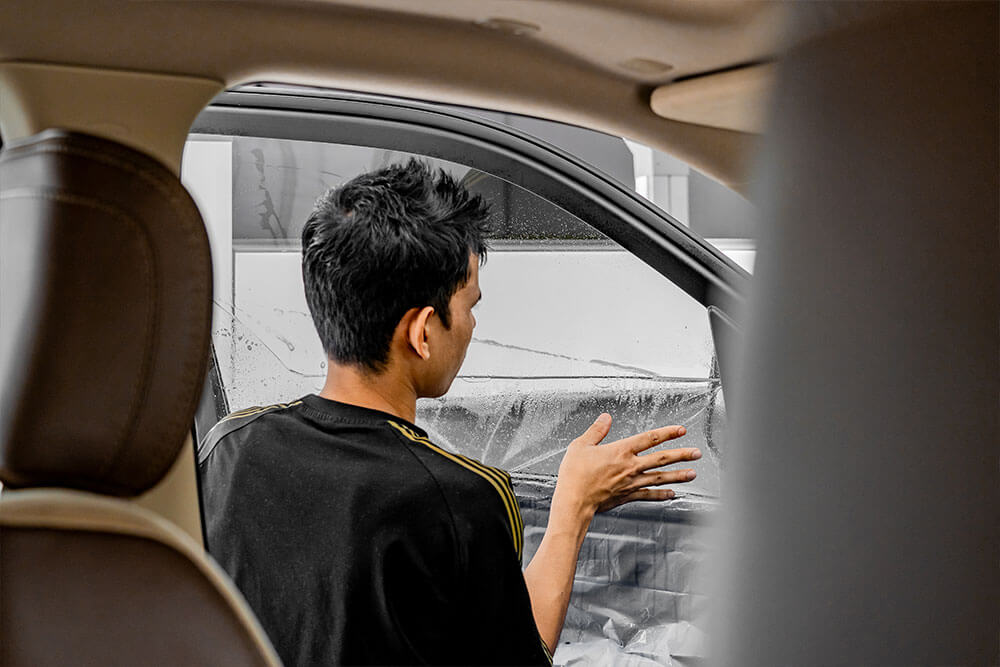
Proper installation is essential for ensuring that tint films perform as intended. Even application without trapped air or contamination allows heat to be distributed evenly across the glass surface.
Poor installation can create localized imperfections that may slightly affect heat absorption patterns. While this does not directly cause glass failure, it can reduce the uniformity of performance.
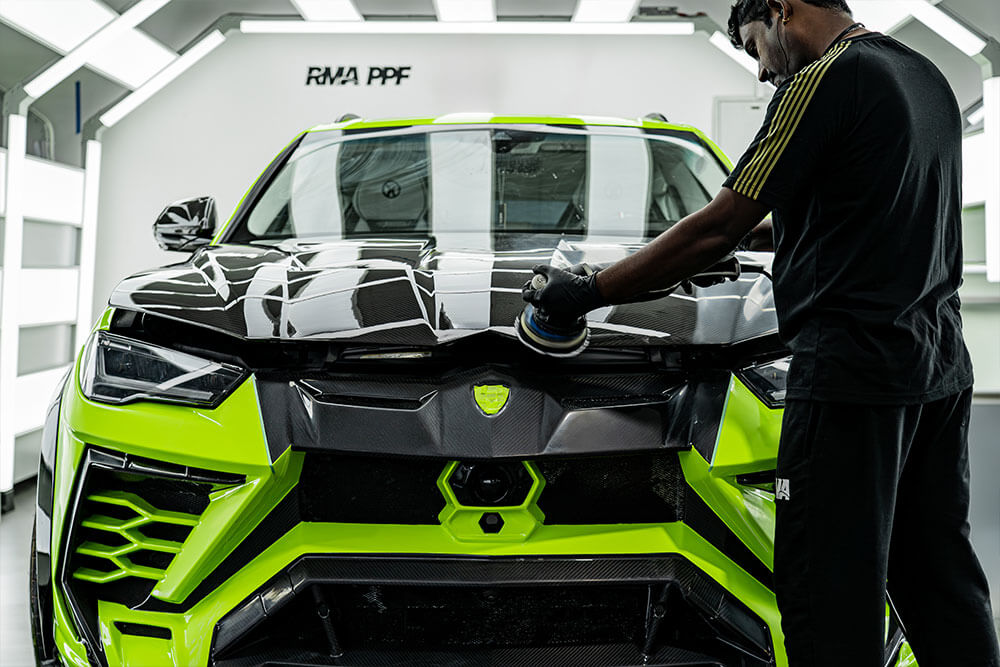
In Dubai, professional installation practices followed by studios such as RMA PPF help ensure that films are applied correctly across all glass surfaces, minimizing irregularities and maintaining consistent thermal behavior.
Myth vs reality summary
The idea that window tint causes automotive glass to crack is largely a myth. Tint films do not create heat; they manage it. When installed correctly and paired with intact automotive glass, they help reduce heat buildup rather than increase it.
Glass breakage is typically linked to pre-existing stress, manufacturing defects, or extreme environmental conditions rather than the presence of tint film itself.
Technical insight for vehicle owners
Thermal stress in automotive glass is a complex interaction between material properties and environmental exposure. Window tint, when properly selected and installed, acts as a stabilizing layer that helps manage solar energy rather than a source of stress. Understanding this distinction helps vehicle owners make informed decisions based on physics rather than misconception.

Get In Touch
Stay Connected For Ultimate Car Care
 sales@rmappf.ae